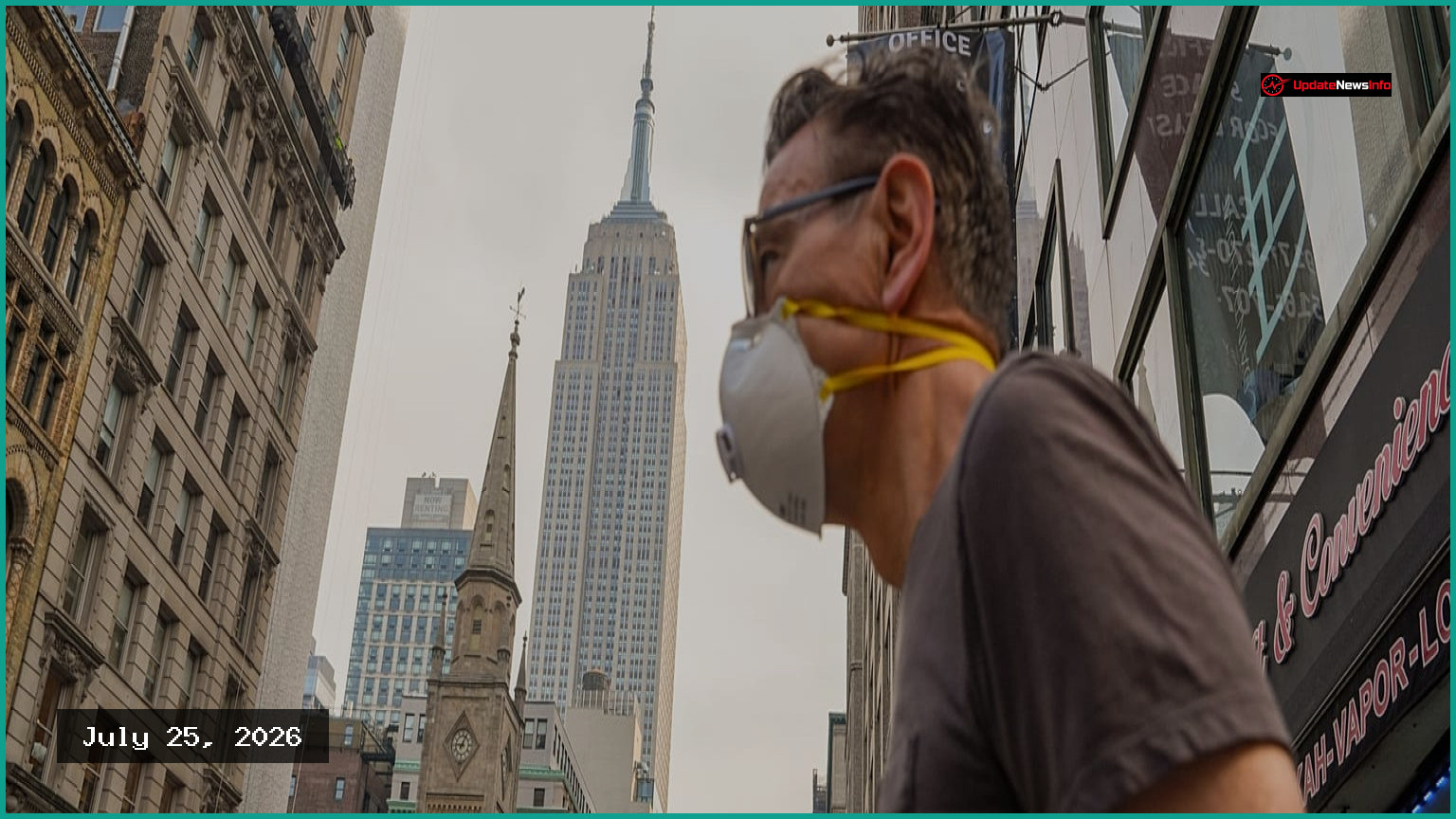
As climate change drives more frequent and intense wildfires across the globe, the danger to public health extends far beyond the immediate presence of flames. From a national emergency in Spain to evacuations in France and scorched landscapes in Italy, the aftermath of these fires presents a persistent, invisible threat in the form of air pollution.
Jane Burston, CEO of the Clean Air Fund, warns that smoke contains black carbon, which consists of tiny particles of partly burnt material capable of traveling hundreds or even thousands of kilometres. According to Burston, some of these particles are small enough to pass through the lungs and enter the bloodstream. This exposure can trigger short-term issues like asthma, while long-term consequences include lung cancer, heart attacks, strokes, and even dementia.
The scale of this public health crisis was highlighted by Canada's 2023 wildfire season. Burston noted that an estimated 82,000 people died from toxins and pollution associated with those fires across Canada, the United States, and Europe, even after the active burning had ceased. Furthermore, recent research from the United States suggests that global wildfire emissions of harmful gases may be approximately 21 per cent higher than previous estimates indicated.
Burston describes the interaction between air pollution, climate change, and wildfires as a self-reinforcing loop. Greenhouse gases and pollutants from fossil fuels raise global temperatures, which in turn creates the drought and heatwave conditions necessary for fires to spread rapidly. She expects these wildfire seasons to become longer and more intense each year. To combat this, Burston advocates for tackling the broader causes of air pollution, which she argues would also boost productivity and save money for health systems.
She recommends that governments implement stronger early warning systems, citing regions in Latin America that utilize air quality monitors to detect fires before they are visible. These forecasting measures must be paired with clear public guidance regarding when to stay indoors, use air purifiers, or evacuate to ensure community safety.
Separately, US researchers reported that global wildfire emissions of health-harming gases may run around 21 per cent higher than earlier estimates suggested.