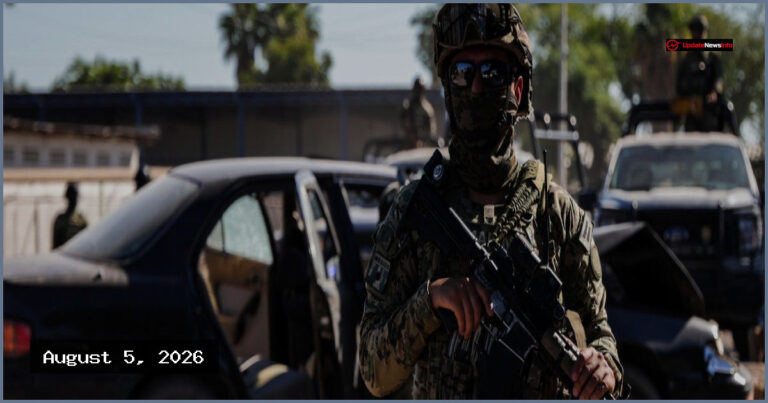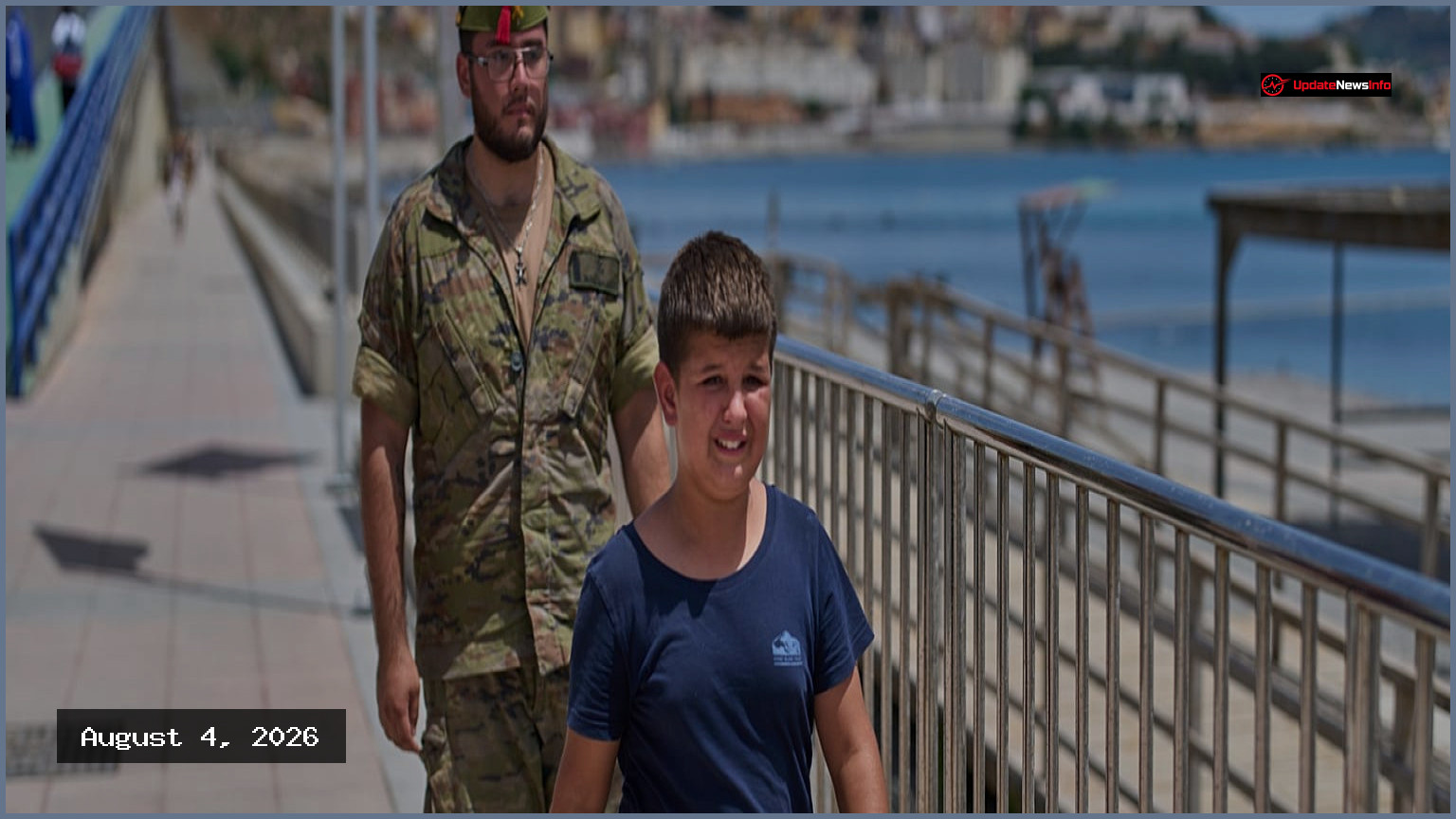
Authorities in the autonomous city of Ceuta are currently struggling to manage the aftermath of a significant migration crisis that saw a mass influx of people from Morocco last week. While security forces estimate that approximately 73,500 individuals have already returned to Morocco, local officials report that between 3,000 and 5,000 migrants remain within the Spanish territory.
Juan Vivas, the president of Ceuta, stated that the situation has yet to return to normal four days after the incident. He emphasized that the city is still grappling with the consequences of the surge, noting that even before the mass crossing, between 1,800 and 2,000 people had entered the city by swimming. Vivas described these earlier arrivals as a warning sign that underscores the necessity for improved coordination and more robust border monitoring to prevent future crises. Reflecting on the emotional impact of the events on the local population, Vivas told the Spanish newspaper El País: “Morocco has shown that it cannot be trusted; we must demand respect from it.”
The crisis has resulted in at least 88 confirmed deaths according to local authorities, a figure that does not include additional bodies recovered by Moroccan services in their own waters. Tensions have also been reported in various neighborhoods, with residents installing makeshift barriers and fences to restrict access to certain streets. Local reports from El Faro de Ceuta highlight isolated confrontations, including an instance where a resident claimed to have been assaulted after denying a request for a cigarette, while some young migrants expressed regret that the actions of a few were harming the image of the wider group.
Among those remaining in the city are 862 minors, a group that has become a primary focus for local services. Authorities acknowledge that this number could rise toward 1,000, and they admit some children may still be unaccounted for on the streets. To manage the situation, the city has deployed approximately 250 workers to provide food, clothing, and accommodation. While younger children have been placed in specialized facilities, older teenagers are being housed in temporary locations. The government is currently preparing additional infrastructure, such as an industrial warehouse in El Tarajal, to increase reception capacity. Currently, the city's 29 standard places for minors are operating at nearly 3,000% capacity, prompting local officials to call for urgent assistance and funding from the Spanish state.