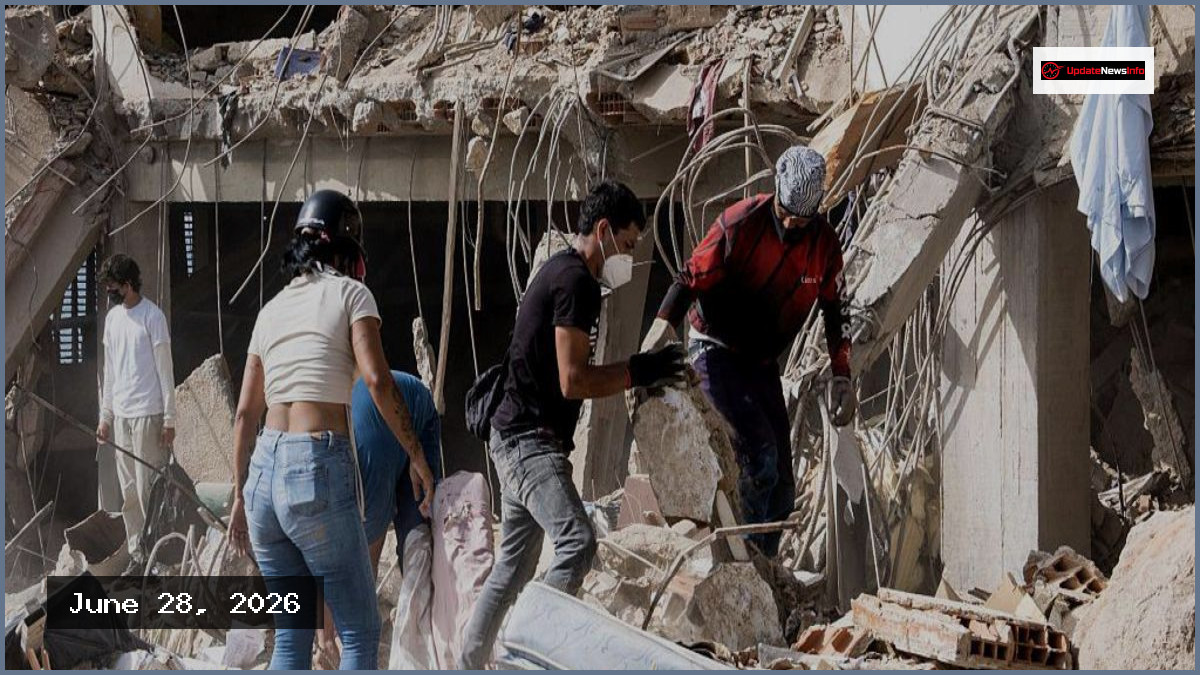
Residents and families are frantically combing through rubble in Venezuela’s coastal state of La Guaira, employing both bare hands and shovels in a desperate bid to reach survivors. Following two back-to-back earthquakes on Wednesday, the region, which neighbors the capital district of Caracas, has suffered catastrophic destruction. Every action taken during this race against time is critical as teams listen for any signs of life trapped beneath layers of concrete and twisted metal.
Official reports confirm a death toll of at least 1,430 people resulting from the 7.2 and 7.5 magnitude quakes, the latter of which ranks as one of the most powerful recorded in the country over the last century. With hundreds of structures leveled, thousands remain buried, and the United Nations estimates that approximately 50,000 individuals are currently missing. While national rescue resources remain limited, international teams from the UK, US, Spain, and Mexico have arrived to assist with operations.
Humanitarian agencies emphasize that the initial 48 to 72 hours are vital for finding survivors, though that window may extend depending on access to food and water. Jorge Rodríguez, president of the National Assembly, acknowledged the gravity of the situation, stating that every saved life is a miracle and promising full transparency regarding the scale of the disaster. In the town of Catia La Mar, the damage is near total, leaving very few buildings intact.
Interim President Delcy Rodríguez has confirmed that government forces are distributing supplies and coordinating a comprehensive response during these critical hours. Many citizens, however, remain trapped in uncertainty. Jesús Suárez, who traveled 200km to find his son, Jean Suárez, describes the frustration of being unable to assist due to a lack of sophisticated equipment, noting that individual human effort is often insufficient for such heavy debris. Other families, such as those searching for 31-year-old Carlos Eduardo, rely on sporadic sounds or groans to pinpoint locations, clinging to hope despite long periods of silence.
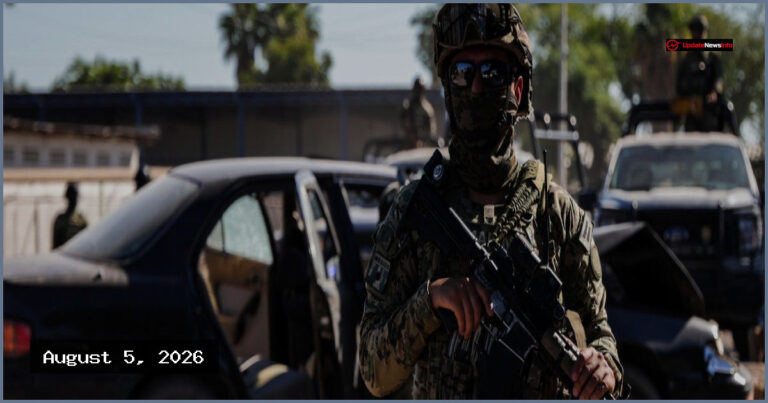
Search operations are frequently complicated by dense crowds and traffic, leading soldiers and volunteers to demand silence so they can detect faint distress signals. In addition to physical searches, many are using drones to survey inaccessible areas, with families huddling around video feeds in hopes of identifying personal items or signs of their relatives. As time progresses, the unofficial death count rises, and survivors are beginning to report the onset of unpleasant odors from the ruins, raising health concerns.
On Friday, authorities noted that 861 volunteers from various nations, including Colombia, Switzerland, El Salvador, and the US, were active on the ground. Interim President Rodríguez further stated that she had consulted with US President Donald Trump and Secretary of State Marco Rubio, both of whom reaffirmed their commitment to providing aid and rescue support. Many survivors, like Alexandra Gabino—who lost her home and is now sheltering in her car at the closed Simón Bolívar International Airport—describe the deep trauma of the event. Despite the pain of losing everything, she and others remain focused on the struggle to stay strong for their families while navigating a landscape of utter destruction and persistent helplessness.