Nineteen-year-old Tycen Proper, a high school graduate from a small Ohio town, became the focus of a major federal investigation after court documents revealed his participation in a plot to assassinate Donald Trump. Despite having $3,000 in graduation savings, Proper reportedly quit his job to dedicate his time to an online project with fellow extremists. His parents contacted authorities after observing him studying Washington DC maps and purchasing rifles, ammunition, body armor, and a shotgun with his savings.
The US Department of Justice recently announced the disruption of this conspiracy, which aimed to strike the Ultimate Fighting Championship (UFC) event held at the White House. While eight men, all in their 20s or 30s, remain in custody, officials believe at least 19 individuals were involved. These plotters initially connected through TikTok before moving their coordination to encrypted platforms like Signal and SimpleX. They organized themselves into risk-based tiers and even conducted in-person tactical training.
According to investigators, the plan involved a staged demonstration near the White House to divert law enforcement resources. As officials attended the mixed martial arts event, the group intended to use drone-borne explosives to trigger a panicked evacuation. The plan then called for waiting marksmen to target key figures, followed by a “second wave” of attackers storming the complex. One conspirator described the intended operation as “a fucking bloodbath.”
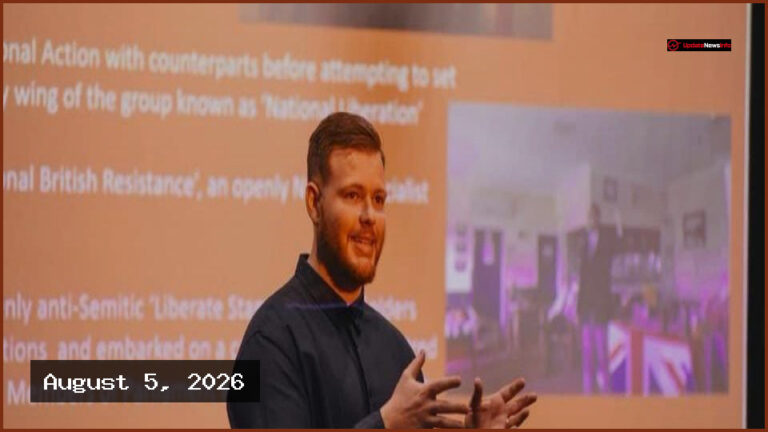
The group’s ideological motivations appeared complex and, to some, contradictory. While they held far-right views, they specifically targeted Republican leadership, partly using information from a left-leaning website that tracks AIPAC-supported politicians. One alleged leader, 31-year-old Abraham Alvarez, is identified in reports as an undocumented immigrant from Mexico. While JD Vance and other administration officials characterized the plot as amateurish and poorly planned, experts suggest it highlights a growing ideological rift within the far right.
Analyst Michael Edison Hayden noted that these communities are often as hostile to the Trump administration as they are to the left, viewing the government as a corrupt “elite” entity. Affidavits indicate that participants, including 32-year-old Michael Alan Thomas, were motivated by antisemitic tropes, believing that the government is run by a cabal protecting figures like Jeffrey Epstein. These individuals viewed their attack as a catalyst for a second American Revolution.
Scholars also point to a religious element, noting that many of the plotters were influenced by anti-interventionist Christian nationalism. Proper’s mother indicated that her son had become increasingly religious, falling into online groups that utilized biblically-tinged rhetoric about “shepherds” and “lions’ dens.” This faction expresses deep frustration with the Trump administration’s alliance with Israel and perceived failures of the MAGA movement.
Although the plot was thwarted before the group reached Washington—partly due to vehicle issues and vigilant family members alerting police—authorities recovered significant quantities of ammunition. Experts like Matthew D. Taylor warn that this group is likely not unique, as thousands of young men across the country are being drawn into similar online communities centered on extremist arguments and anti-government fervor.