The United States has executed fresh strikes against targets in Iran, acting in direct response to a drone attack that targeted a Panama-flagged vessel in the Strait of Hormuz this past Saturday. The US Central Command (Centcom) confirmed that its operations hit multiple locations across Iran, specifically targeting military hardware, communications infrastructure, air defense installations, and facilities used for drone storage, citing a need to address persistent aggression against commercial shipping.
President Donald Trump characterized these latest operations as a direct consequence of Iran’s repeated violations of their ceasefire agreement. Through a post on Truth Social, Trump suggested that there might come a point where the administration is no longer able to remain reasonable. Iran has not yet provided an official comment regarding these newest military actions.
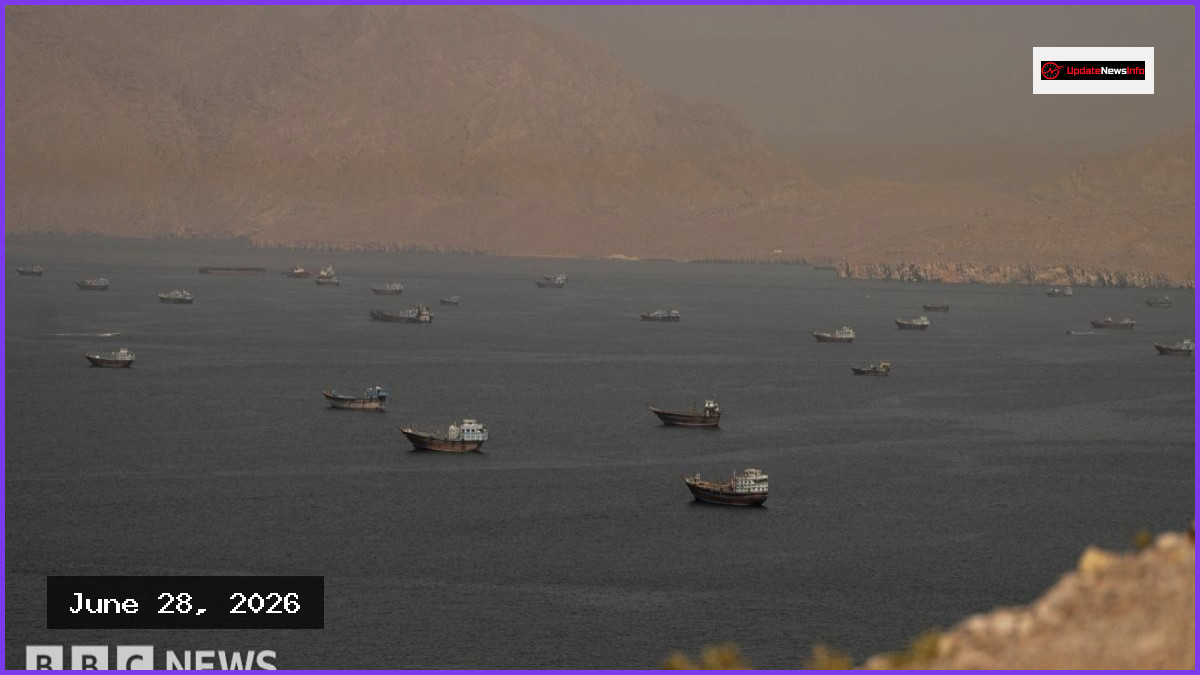
According to the statement from Centcom, Iran was given an opportunity to respect the existing ceasefire accord but instead chose to launch a one-way attack drone that successfully struck the MT Kiku, a vessel registered in Panama. Despite the ongoing tension, Centcom noted that commercial shipping continues to transit through the Strait of Hormuz.
Shortly after the strike announcement, President Trump wrote that it was very possible Tehran would never learn. He stated that the US might be forced to militarily complete the job it successfully started, warning that if that necessity arises, the Islamic Republic of Iran would no longer exist. In the hours following the American strikes, authorities in Kuwait and Bahrain activated their respective air defense systems. Kuwaiti Armed Forces reported they were confronting hostile missiles and drones, while Bahraini officials urged citizens to seek safety and remain calm.
These actions occurred less than 24 hours after a previous round of US retaliatory strikes, which were triggered by a 25 June drone attack on the Singapore-flagged cargo ship, MV Ever Lovely. Centcom described those earlier strikes as a powerful response to Iranian aggression that clearly violated the ceasefire. Tehran had previously argued that the MV Ever Lovely was targeted for utilizing an unauthorized route through the Gulf waterway and claimed that the subsequent US strikes were the true violation of the ceasefire treaty.
On Saturday morning, the Iranian foreign ministry stated it had carried out its own strikes against American-linked targets, blaming the treaty-breaking US regime for the worsening situation. Both nations had signed a 14-point memorandum on 17 June to end hostilities and ensure safe passage for commercial vessels for a 60-day period.
The Strait of Hormuz, a vital channel for global energy and commodity shipments, was effectively shut down by Tehran following attacks by the US and Israel in late February, causing significant spikes in global oil prices. While US officials had recently expressed optimism about diplomatic progress, noting that Iran seemed to have abandoned plans to levy tolls on transiting vessels, Iranian negotiator Mohammed Bagher Ghalibaf recently insisted that the administration of the waterway would never return to its pre-war state.