While customs vary by country, how people manage extreme heat often reflects unique cultural approaches. For instance, whereas in Germany many individuals simply loosen or remove their ties during hot weather, in Japan, the tie is frequently transformed into a cooling tool. These specialized cooling ties are designed with small cold packs or integrated gel inserts, and some feature absorbent towelling fabric on the neck-facing side to manage sweat. Japan is widely noted for such inventions, which are based on the physiological principle that cooling the neck, wrists, armpits, and groin—where large blood vessels are near the skin—is highly effective. This makes Japanese cooling accessories more than just a quirky fashion choice.
Ice rings designed for the neck are common in Japan, as cooling that area can reduce the body’s overall perception of heat. Dampened towels, often color-coordinated, are also popular, as are Tenugui—traditional, thin cotton cloths that are moistened and worn under collars or hats. During the 1980s, neon headbands and towelling wristbands were a popular trend in Europe, but in Japan, these remain functional, everyday items used to cool pulse points. Handheld or folding fans are also staple accessories in both Japan and China, frequently worn around the neck or wrist.
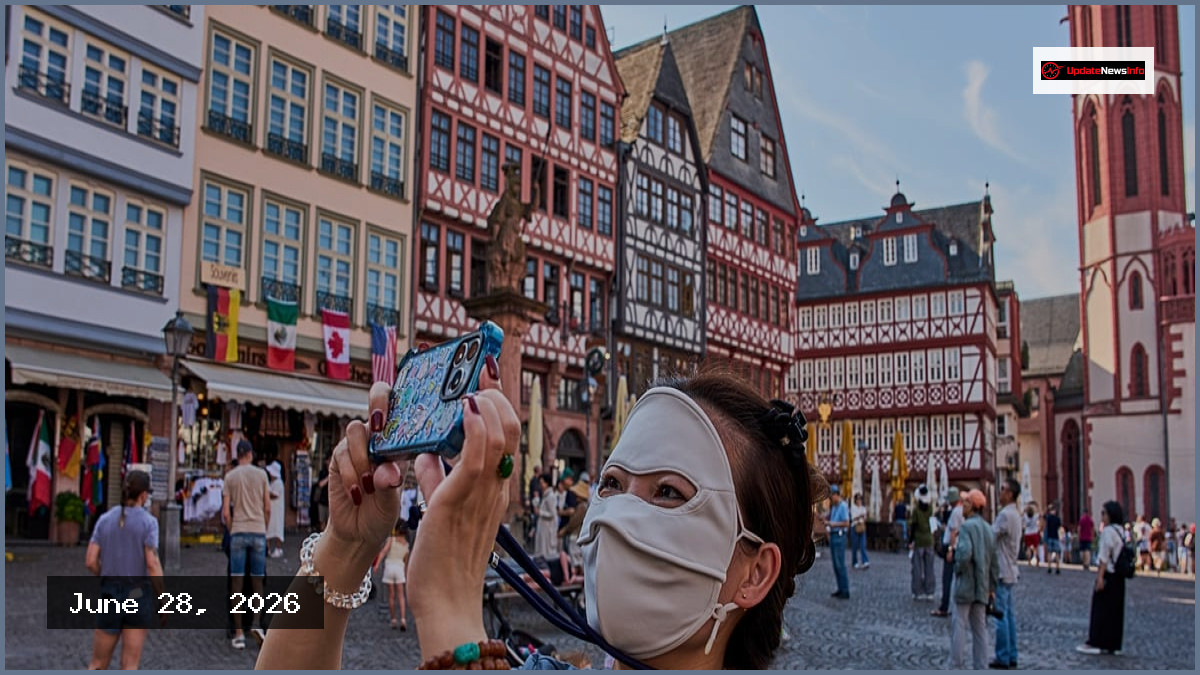
In China, face masks have become a key sun protection strategy. This includes the “Facekini,” a hood that covers everything but the eyes, nose, and mouth. Originally developed in coastal cities like Qingdao—known for its global Tsingtao beer exports—this mask protects beachgoers from strong UV rays. Today, these have evolved into lightweight, breathable masks made of materials like “ice silk,” which often carry a UPF 50+ rating. Beyond pragmatism, these masks reflect local ideas regarding beauty and skincare. Women often wear large hats made from natural materials, sometimes paired with a damp cloth underneath to help prevent heatstroke.
Interestingly, many in China prefer warm or lukewarm drinks during hot weather, a practice rooted in Traditional Chinese Medicine. This approach suggests that very cold drinks can disturb internal balance and force the body to expend energy for temperature regulation, while warm drinks encourage natural cooling via evaporation. Globally, cooling strategies generally rely on 1. evaporative cooling through water and air, 2. shade and architecture, and 3. thermal mass using earth or stone. In the southwestern United States, traditional Navajo and Pueblo building techniques utilize clay and stone with overhanging roofs to maintain stable indoor temperatures, a stark contrast to many modern European buildings designed primarily for insulation.
In Mexico, lightweight cotton clothing is common, and homes often feature thick adobe walls and internal courtyards that serve as natural cool spots, alongside the daily tradition of the siesta. Egyptian homes utilize traditional windcatchers, known as malqaf, to channel cooler air, while courtyards with water elements provide evaporative relief. In India, people often use “mitti” cooling, where unglazed clay pots chill water, and hang wet jute mats or curtains to cool the air through evaporation. Dietary choices, such as buttermilk, tamarind drinks, or water-rich foods like melons, also help maintain hydration and electrolytes. Ultimately, the difference between these regions and Europe lies in a blend of climate and history: while Europe often favors technical, short-term fixes, other continents rely on passive, architectural, and body-focused cooling strategies embedded in daily life.