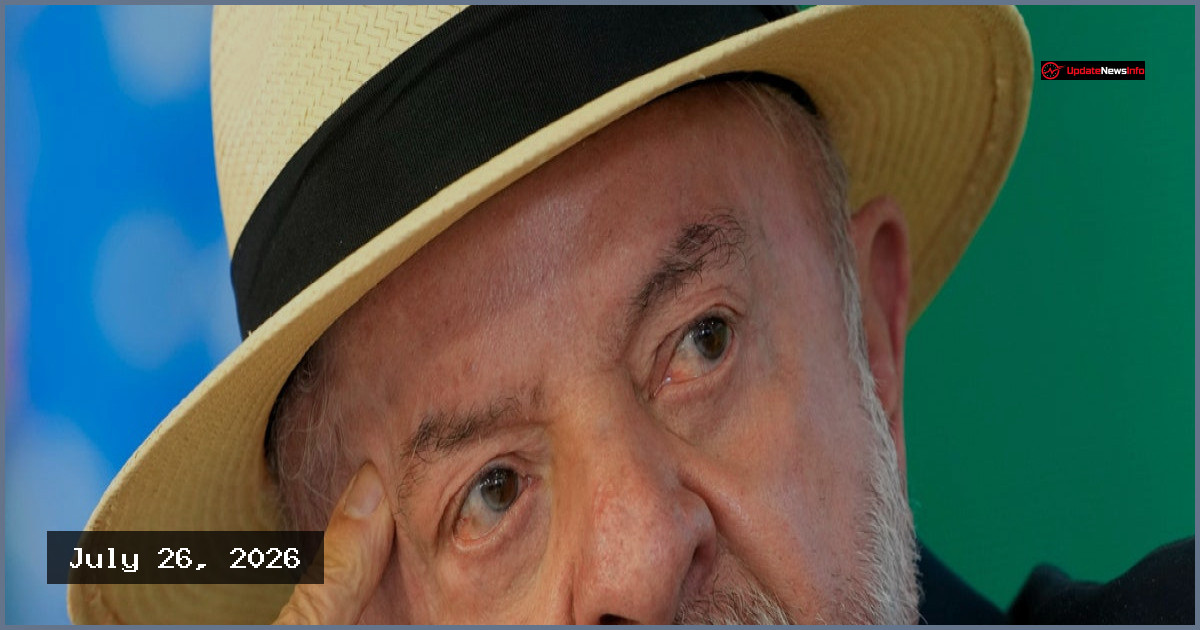
The Brazilian government has denied visa requests for two U.S. officials, Riley M. Barnes, an assistant secretary, and Samuel Samson, a deputy assistant, ahead of the nation's upcoming October elections. According to reports, the Brazilian government alleged that the officials intended to cast doubt on the electoral process. A spokesperson for Brazil’s foreign office confirmed that the visa applications were submitted on July 20 and subsequently rejected on Friday, though the official did not provide specific reasons for the denial.
The U.S. State Department, in response to inquiries, described the planned trip as a routine visit. Officials had intended to travel to Brasilia from July 27 to July 30 to discuss topics including election integrity, religious freedom, and freedom of expression with government officials and religious leaders. The State Department dismissed accusations of a political ploy, stating that any insinuation of an attempt to undermine a democratic nation's election is a baseless lie.
This diplomatic tension occurs as President Luiz Inácio Lula da Silva prepares for a reelection bid against Senator Flávio Bolsonaro. The Senator and his brother, Eduardo, visited Washington in late May to meet with U.S. officials, including then-President Donald Trump. Following these interactions, the U.S. classified two major Brazilian drug-trafficking groups—First Command Capital and Red Command—as foreign terrorist organizations, a designation the Lula administration opposes.
Economic frictions have also escalated, with the U.S. imposing tariff hikes of up to 37.5% on thousands of Brazilian exports, which took effect on Friday. The U.S. government justified these measures by citing unfair competition practices and a failure to address forced labor, accusations that the Lula administration has rejected as attempts to influence the election in favor of the Bolsonaro family. Meanwhile, former President Jair Bolsonaro, who frequently questioned the country's electronic voting system without providing evidence, is currently serving a 27-year prison sentence for an attempted coup. Senator Flávio Bolsonaro has previously echoed these claims regarding the voting machines, though he avoided the topic during his party’s recent nomination event in Sao Paulo.