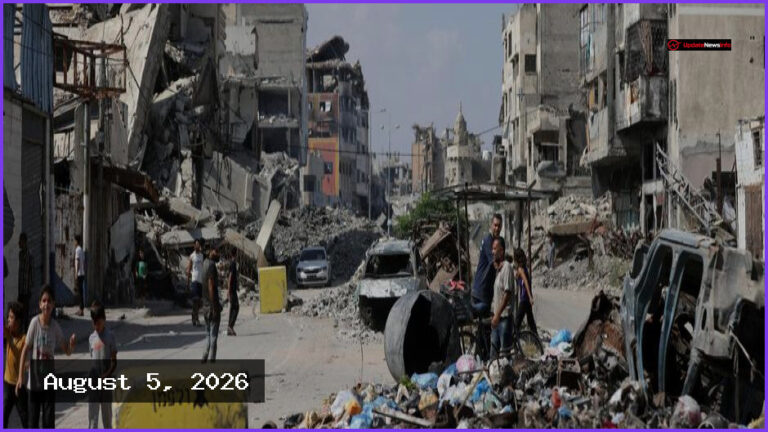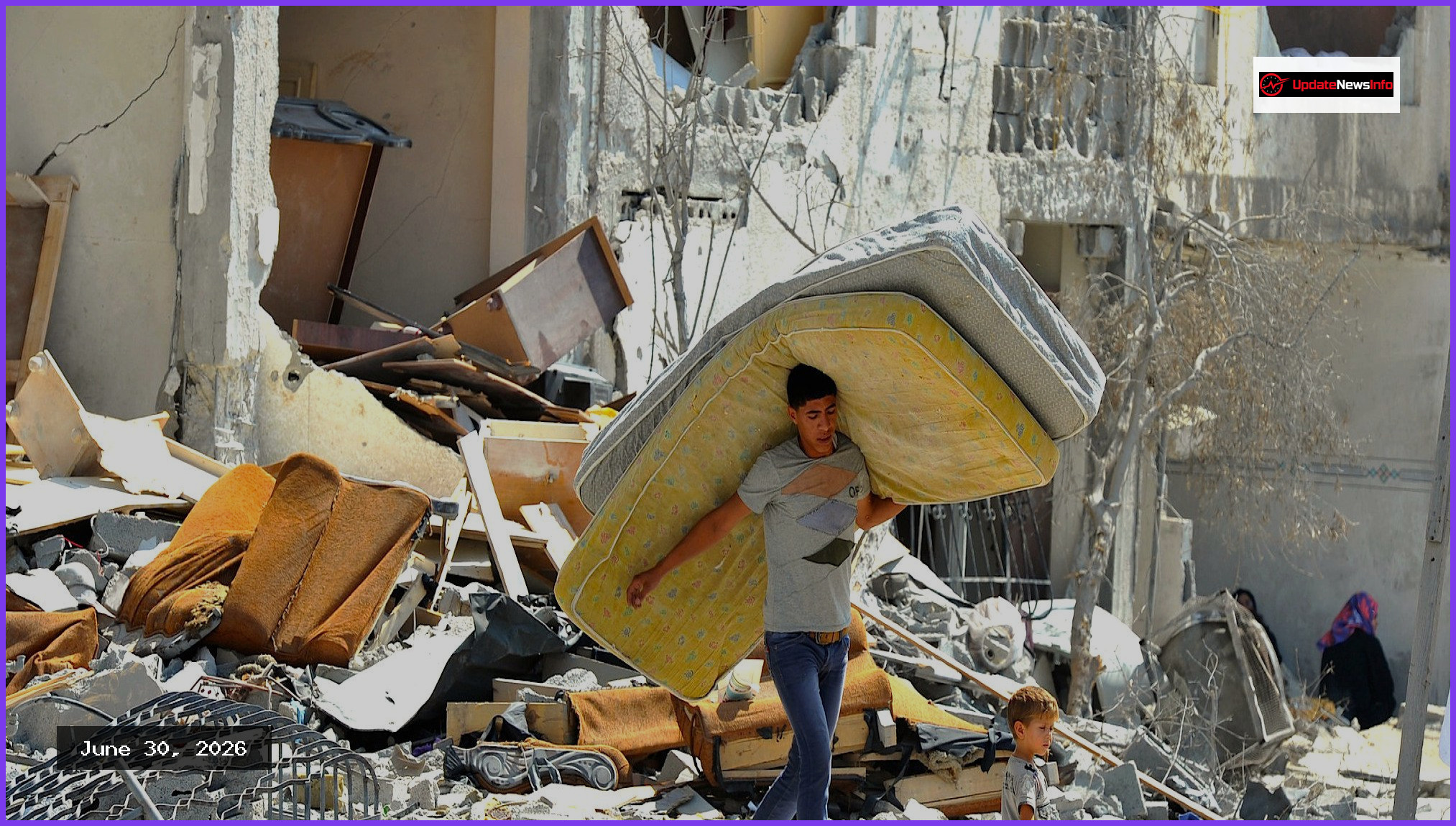
Rebuilding Gaza remains a critical moral responsibility for the European Union. However, a vital aspect of the post-conflict landscape that has been largely overlooked is the legal obligation of Israel to provide compensation for the widespread destruction it has inflicted. Under the customary international law of state responsibility, a nation is mandated to repair damages resulting from any breach of established international rules.
The EU has consistently championed this principle regarding Russia’s war of aggression in Ukraine since 2022, strongly advocating for full reparations for the Ukrainian people. Brussels has actively participated in Council of Europe frameworks, including the Register of Damages and the International Claims Commission, while supporting investigations by the International Criminal Court and a special tribunal. Critics now question why the EU maintains a different standard regarding the destruction of Gaza, noting that this perceived inconsistency impacts the bloc’s moral standing.
Beyond general reconstruction, there is the pressing matter of EU-funded infrastructure destroyed during recent years. Data analyzed by EUobserver suggests that at least €150m worth of assets, such as hospitals, schools, and energy plants, have been damaged or demolished. When bilateral projects funded by individual member states are included, that financial toll rises significantly. While the European Commission reported issuing at least 12 formal requests for compensation since 2020 for confiscated or dismantled assets, it remains unable to verify if Israel has provided any repayment.
Advocates argue the European Commission and the European External Action Service must publicly disclose the full extent of the damage to these European-funded projects and vocally demand restitution. Furthermore, the EU should address the issue of clearance revenues—customs duties and VAT collected by Israel on behalf of the Palestinian Authority under the 1994 Paris Protocol. Israel’s practice of withholding these funds exacerbates the fiscal instability of the Palestinian Authority, hindering recovery efforts.
Pursuing these reparations is a necessary component of conflict prevention and justice. It represents an essential step toward facilitating universal justice for crimes committed during the war. By actively seeking accountability and committing future budgetary resources for Gaza’s reconstruction, including involvement from the European Investment Bank, the EU has an opportunity to restore its credibility in the Global South and demonstrate genuine support for a two-state solution.