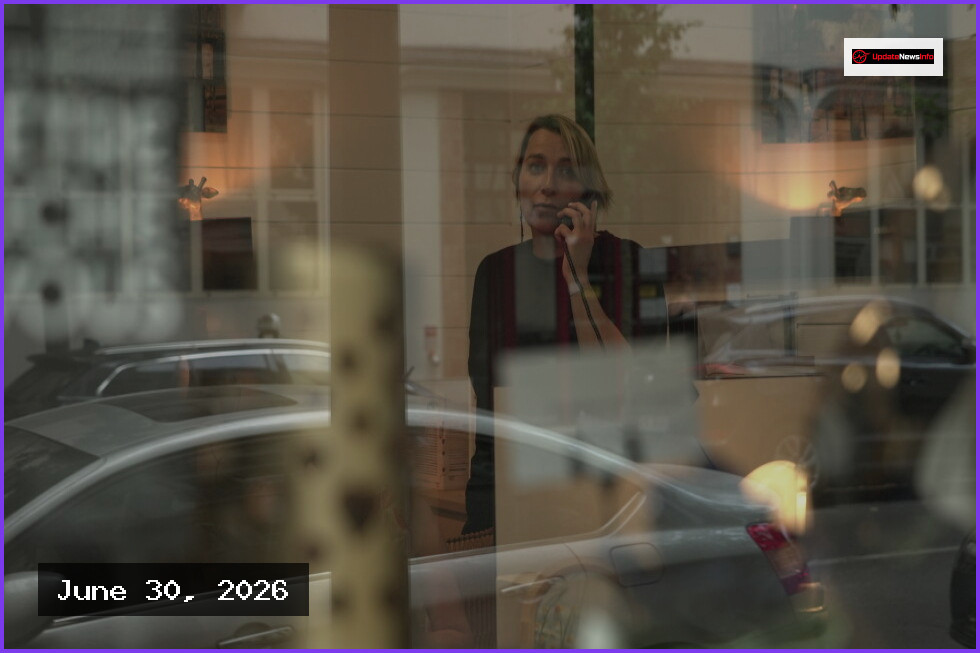
In Paris, the owner of a local mortuary finds his phone ringing incessantly as funeral directors and grieving families inquire about available space. With all 32 spots in his refrigeration unit occupied, Zouhaeir Hertelli is forced to turn away requests for help. Describing the situation as catastrophic, he noted receiving hundreds of calls as the region grapples with the fallout of a record-breaking heatwave.
As extreme temperatures shift eastward across Europe, France is beginning to tally the human impact of the event. On Monday, residents and tourists in Paris sought refuge in air-conditioned spaces as the mercury hit 44 degrees Celsius. The nation is bracing for an entire week of oppressive heat characterized by daytime highs exceeding 40 degrees Celsius and stifling, sleepless nights.
While comprehensive public health data will take time to finalize, the toll on the elderly population, particularly those living alone, is already evident. According to preliminary estimates from the national public health agency, there was a significant surge in deaths during the peak of last week’s heatwave. The agency reported over 1,200 deaths on Wednesday, followed by more than 1,400 on Thursday and another 1,400 on Friday, compared to a typical daily rate of 900 to 1,000 during April and May.
Officials anticipate these figures will rise as further death certificates, particularly from private homes and care facilities, are processed. Approximately 85% of documented deaths involved individuals aged 65 or older, with home-related fatalities in the Paris area increasing by roughly 40%. To manage the overflow, City Hall has added 40 temporary storage spots and hospitals have provided an additional 50 spaces, though some funeral directors have been forced to transport remains as far as 80 kilometers to Chartres.
Reflecting on previous tragedies, such as the 2003 heatwave that claimed 15,000 lives, experts and industry professionals warn that the lessons of the past may have faded. Funeral director Véronique Bertrand emphasized the isolation of many victims, calling for a return to community solidarity and greater vigilance regarding the welfare of neighbors living alone. As the city struggles to find solutions, the emotional and logistical strain on families and funeral service providers remains acute.