As global threats proliferate, nations and private enterprises face an urgent need to collaborate against rising geopolitical and hybrid dangers. Western businesses are increasingly caught in the crosshairs of the Kremlin’s gray-zone aggression, which is draining resources and driving up operational costs in democratic countries.
To withstand these pressures from various rivals and their proxies, sharing front-line intelligence and informing companies of direct threats has become an indispensable strategy for survival. Almost any company is now at risk of geopolitically motivated harm, and it’s imperative they understand the risks they face.
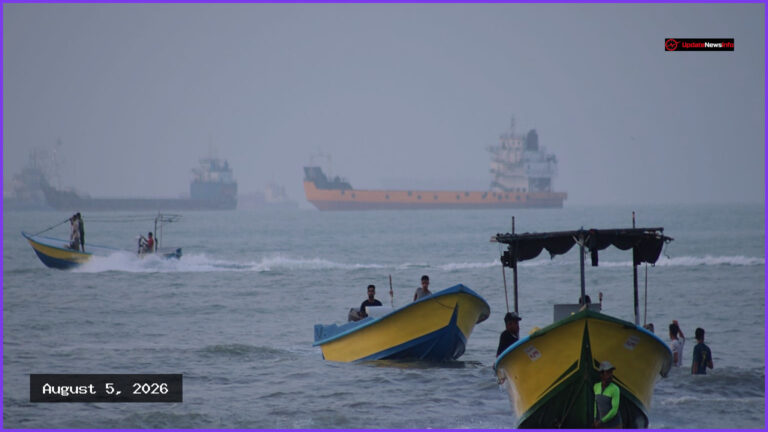
Today, we’re seeing the broken windows theory play out on the high seas: lawlessness begetting more lawlessness. A dangerous, rule-busting "shadow fleet" of ghost vessels now operates its own highly risky ship-scrapping system, threatening both marine environments and other vessels.
Because Russia's ghost vessels could potentially be utilized for strategic sealift, the United States must urgently race to upgrade its own maritime capabilities.
Furthermore, with mysterious damage occurring to undersea cables and pipelines, global partners must find ways to incentivize crews to obey maritime laws and build a "coalition of the willing" to protect the oceans. This includes targeting the shady operators behind these vessels and nudging oil-buying countries, who also face significant risks, away from using these dark ships.
Beyond the oceans, NATO members and allied nations must prepare coordinated responses in case Russia targets highly remote geographies. The Kremlin's hybrid warfare model relies heavily on recruiting freelancers, often referred to as "disposable agents," to carry out deniable operations. This strategy is linked to a broader uptick in geopolitically motivated harm within Western borders.
Additionally, half a dozen nations are currently experiencing an extraordinary surge in GPS disturbances, a dangerous tactic that can only be blunted through collective international action. The defense of our countries now hinges on younger generations. Let’s invite them to contribute their ideas.
Being known as a country facing geopolitical threats has its drawbacks — particularly when it comes to the economy. However, localized innovation offers some hope. A single small town is demonstrating that Europe can build a greener future without remaining dependently chained to China, while individual destination cities are finding creative ways to attract visitors who offer both financial support and practical help.
On the diplomatic front, while Western influence fails to deter the Houthi campaign, the Indian prime minister is uniquely positioned to address the threat.
Finally, security realities have changed for ordinary citizens; hostile regimes are increasingly detaining Westerners to use as exchange fodder. Though many Westerners continue to travel to these hostile regions expecting their governments to secure their release, analysts warn this is a luxury democratic nations can no longer afford.
Every destination city can easily come up with its own innovative ideas to draw visitors who bring a helping hand as well as their cash.
Nothing the West says or does will convince the Houthis to halt their campaign. But the Indian prime minister is perfectly suited to the task.