In a significant political shift, the Palestinian militant group Hamas announced on Monday the dissolution of the body that has overseen the Gaza Strip for nearly two decades. This decision is intended to clear the way for a technocratic committee to take charge of civilian governance in the territory. Hamas has maintained control over Gaza since 2007, following its victory in legislative elections and the subsequent ousting of the rival Fatah movement.
Ismail al-Thawabta, head of the Hamas government media office, confirmed to the AFP news agency that Mohammed al-Farra, the head of the government’s emergency committee, has officially resigned. According to al-Thawabta, the committee was dissolved to facilitate a smooth administrative transition to the National Committee for the Administration of Gaza (NCAG). The NCAG was established by the Board of Peace, an initiative launched by US President Donald Trump during the brokering of a ceasefire between Hamas and Israel in October 2025.
Hamas spokesman Hazem Qassem emphasized that the group is stepping back from its administrative duties to remove any pretexts used by the occupation to justify ongoing military aggression. He stated that Hamas is prepared to hand over governmental responsibilities to ensure the success of the NCAG. A Hamas official also noted that the decision was shared with other Palestinian factions during a recent meeting in Cairo, where it was reportedly welcomed as a serious step toward establishing a new governing role for the committee.
Despite this announcement, the NCAG, which is led by Palestinian technocrat Ali Shaath, has remained based outside of Gaza for months due to reported Israeli objections to its entry. The transition remains complicated by the unresolved issue of Hamas’ disarmament. While Hamas has expressed readiness to step aside from daily governance since the October ceasefire, it continues to demand the establishment of a formal Palestinian administration before considering any handover of its arsenal.
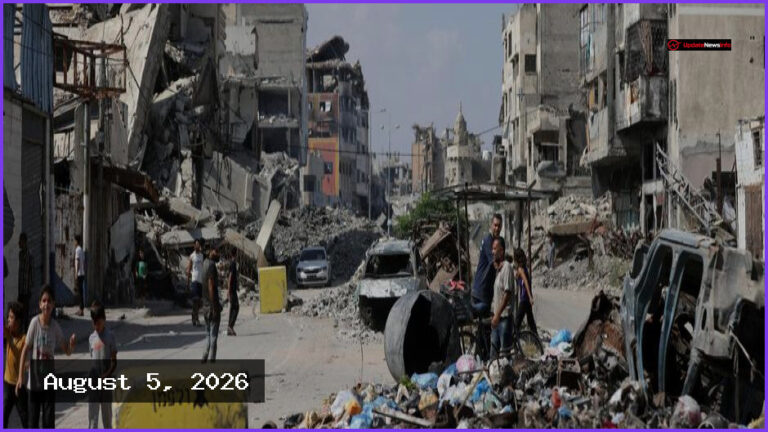
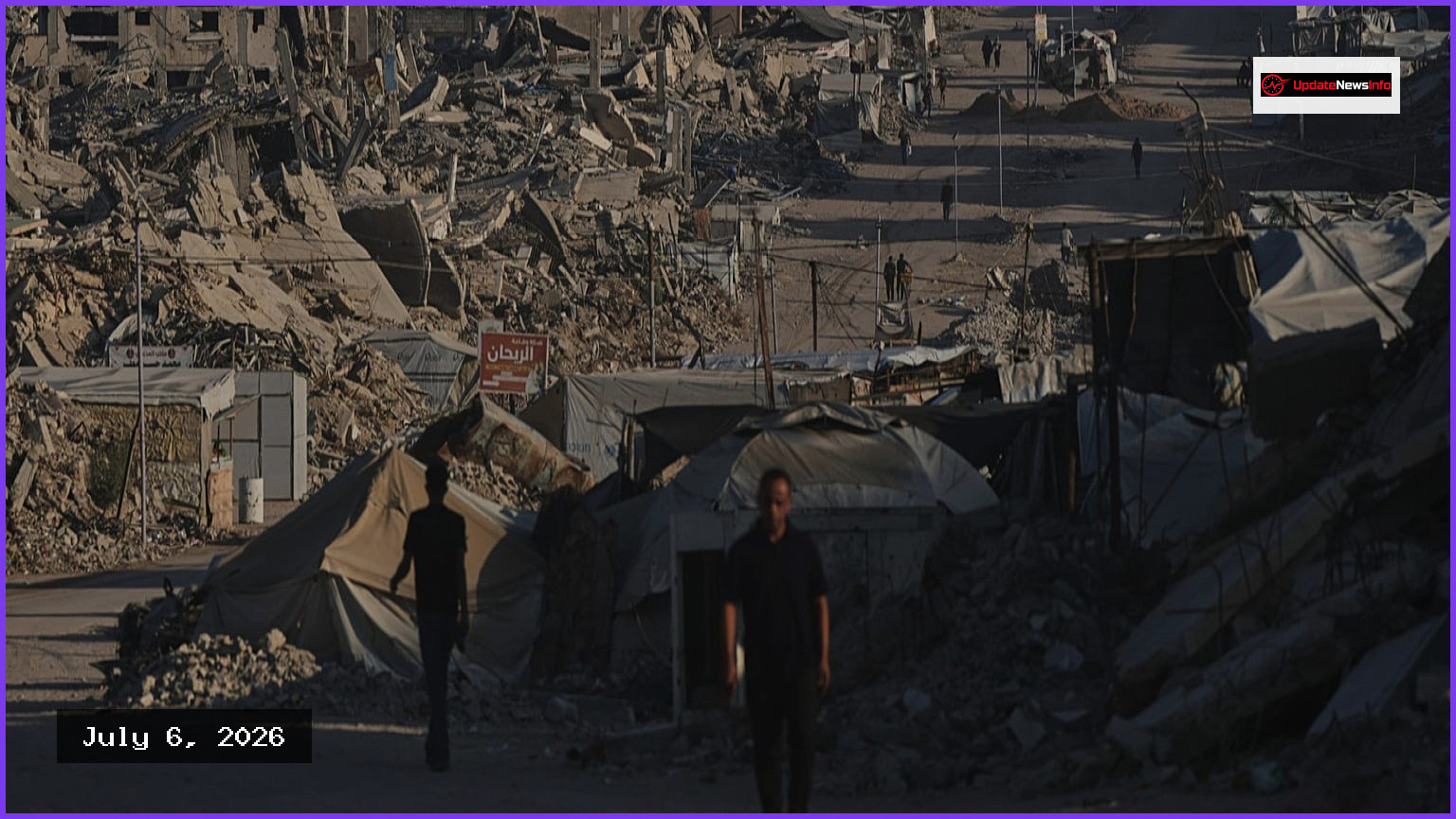
Negotiations regarding the second phase of the ceasefire, which includes the gradual withdrawal of Israeli forces and the disarmament of Hamas, have been stalled for months. Meanwhile, Israeli forces have expanded their presence, now controlling nearly 70% of the territory. The question of post-war governance remains a primary obstacle in ongoing mediation talks, as Israel rejects both a return of Hamas to power and a direct takeover by the Ramallah-based Palestinian Authority at this time.