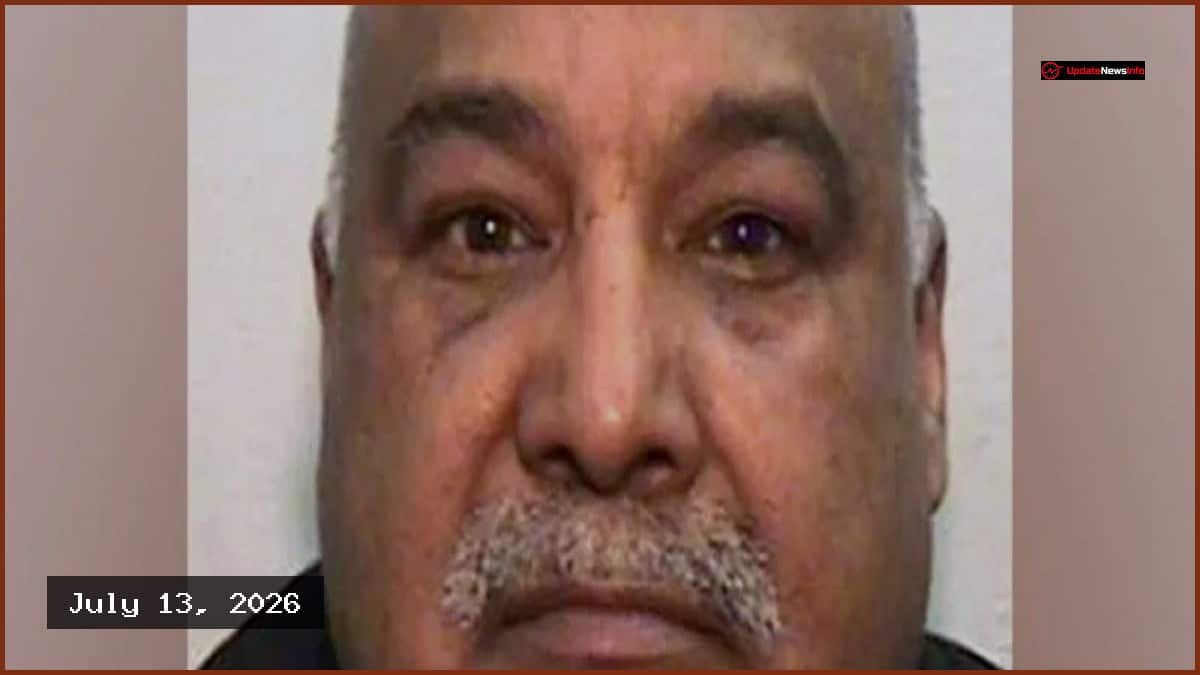
Home Secretary Shabana Mahmood is expected to outline the legal pathway the government intends to take to deport Shabir Ahmed, the ringleader of a Rochdale grooming gang who was released from prison on licence earlier this month. Ahmed, who was sentenced to 22 years in 2012 for multiple child sexual offences including rape, has faced widespread calls for deportation after being stripped of his British citizenship following his conviction.
Currently, officials are blocked from removing him due to a 1971 law that protects a specific group of Commonwealth citizens who arrived in the UK more than 50 years ago. Specifically, the 55-year-old Immigration Act prevents the deportation of Commonwealth nationals who arrived in Britain before 1973 and have maintained residency for five years. Despite losing his British citizenship, this legal loophole currently shields Ahmed from removal.
The government faces additional hurdles as Pakistan, his country of origin, reportedly shows no willingness to accept him, particularly as Ahmed claims to have renounced his Pakistani citizenship. Since his release, Ahmed has been placed in 24-hour staffed accommodation and is required to wear a GPS-monitored tag. Authorities have warned that any breach of his strict licence conditions will result in his immediate return to custody.
The announcement from the Home Secretary follows significant public concern, with victims of the grooming gang—which exploited girls as young as 13 at two takeaway restaurants in Rochdale and Oldham—expressing fear and feeling unsafe following his release. While it remains unclear exactly how the government will alter the law, one source suggested the process could take up to a year. In the meantime, the Conservatives are advocating for emergency legislation or an amendment to the current immigration bill to expedite the process.
A spokesperson for Sir Keir Starmer confirmed on Thursday that the government is actively exploring every available option, including ongoing discussions with Pakistani authorities. This policy shift comes less than a week after survivors of grooming gangs publicly called for sex offenders to be excluded from early release schemes.
Some of his victims said they were "frightened" and felt "unsafe" at his release.