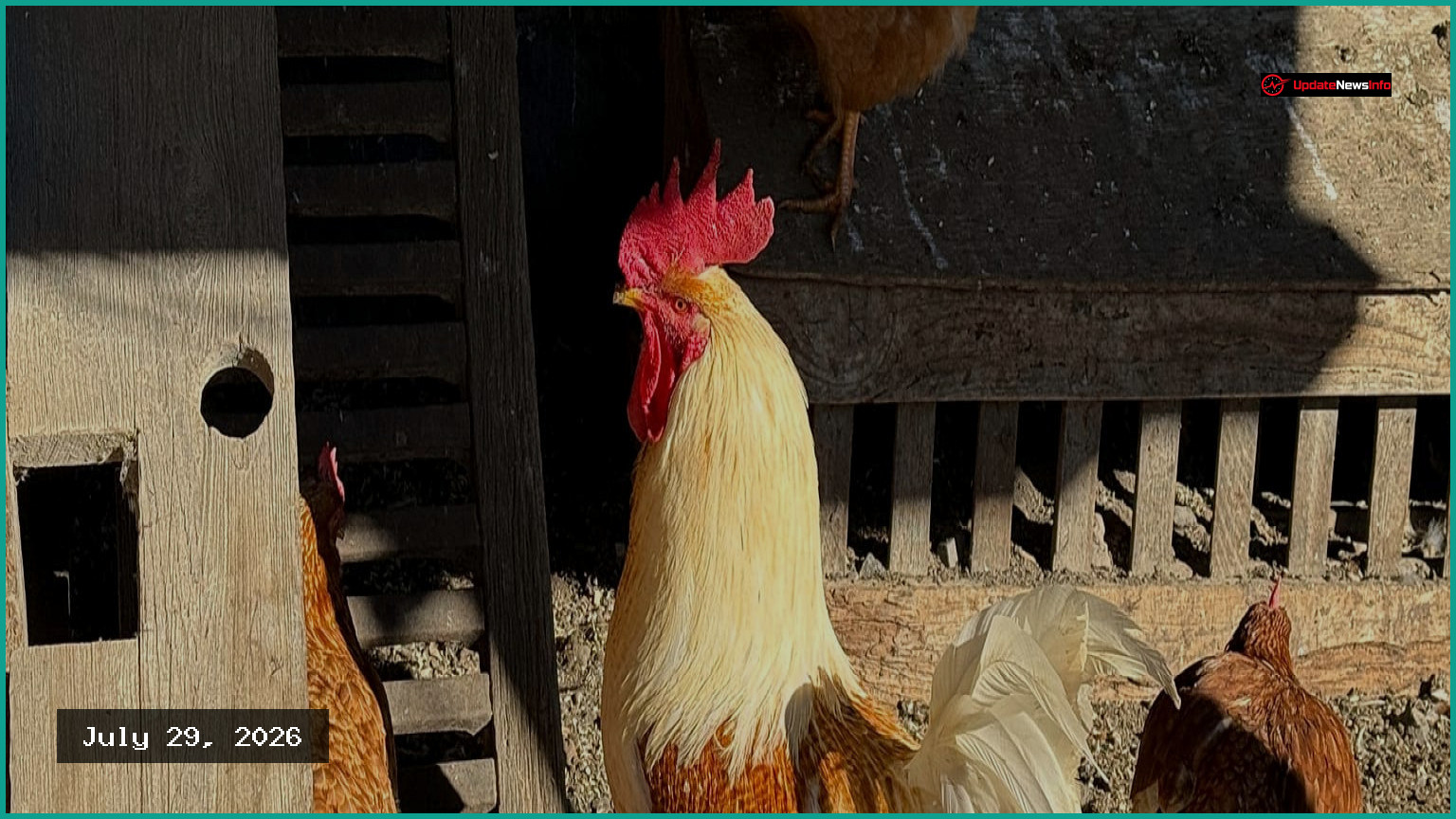
A new research study from the University of Oxford has linked intensive poultry farming to a more than 100-fold increase in the spread of Campylobacter, which is currently the most common bacterial cause of gastroenteritis globally. Researchers at the Ineos Oxford Institute for Antimicrobial Research reached this conclusion after examining approximately 2,800 bacterial genomes sourced from both chickens and wild birds across 30 different countries between 1979 and 2024.
The study highlights how industrial poultry systems have fundamentally altered ecological spaces by concentrating billions of birds into dense environments. According to the authors, the global chicken population has expanded sevenfold since the 1960s, reaching roughly 31 billion birds today. This massive increase in livestock density has elevated the risk of infectious diseases spilling over into the human food chain.
"Industrial farming has created one of the largest animal habitats on the planet. Our findings provide new evidence that human-driven environmental change can increase the spread of infectious diseases," said Sam Sheppard, senior author of the study. Sheppard noted that as chicken populations grew, bacteria previously limited to wild birds gained new opportunities to enter, spread within, and become established in poultry flocks. He emphasized that understanding these evolutionary consequences is vital for reducing future risks related to zoonotic diseases and antimicrobial resistance.
The World Health Organization identifies Campylobacter as one of the four primary global causes of diarrhoeal diseases. While infections are typically mild, they can prove fatal for the elderly, very young children, and those with compromised immune systems. Common symptoms include fever, abdominal pain, diarrhoea, nausea, headache, and vomiting, which usually persist for three to six days. The research notes that poultry serves as the primary reservoir for human infection, with an estimated 60% to 80% of cases traced to isolates originating in chickens.
Oakem Kyne, the study’s first author, explained that as these bacterial strains adapt to poultry environments, they acquire traits that improve their survival in challenging conditions, including those associated with antimicrobial resistance. This poses a significant public health concern by potentially threatening the efficacy of existing medical treatments. Kyne concluded that understanding how farming practices influence bacterial evolution represents a critical step in mitigating the burden of foodborne diseases.