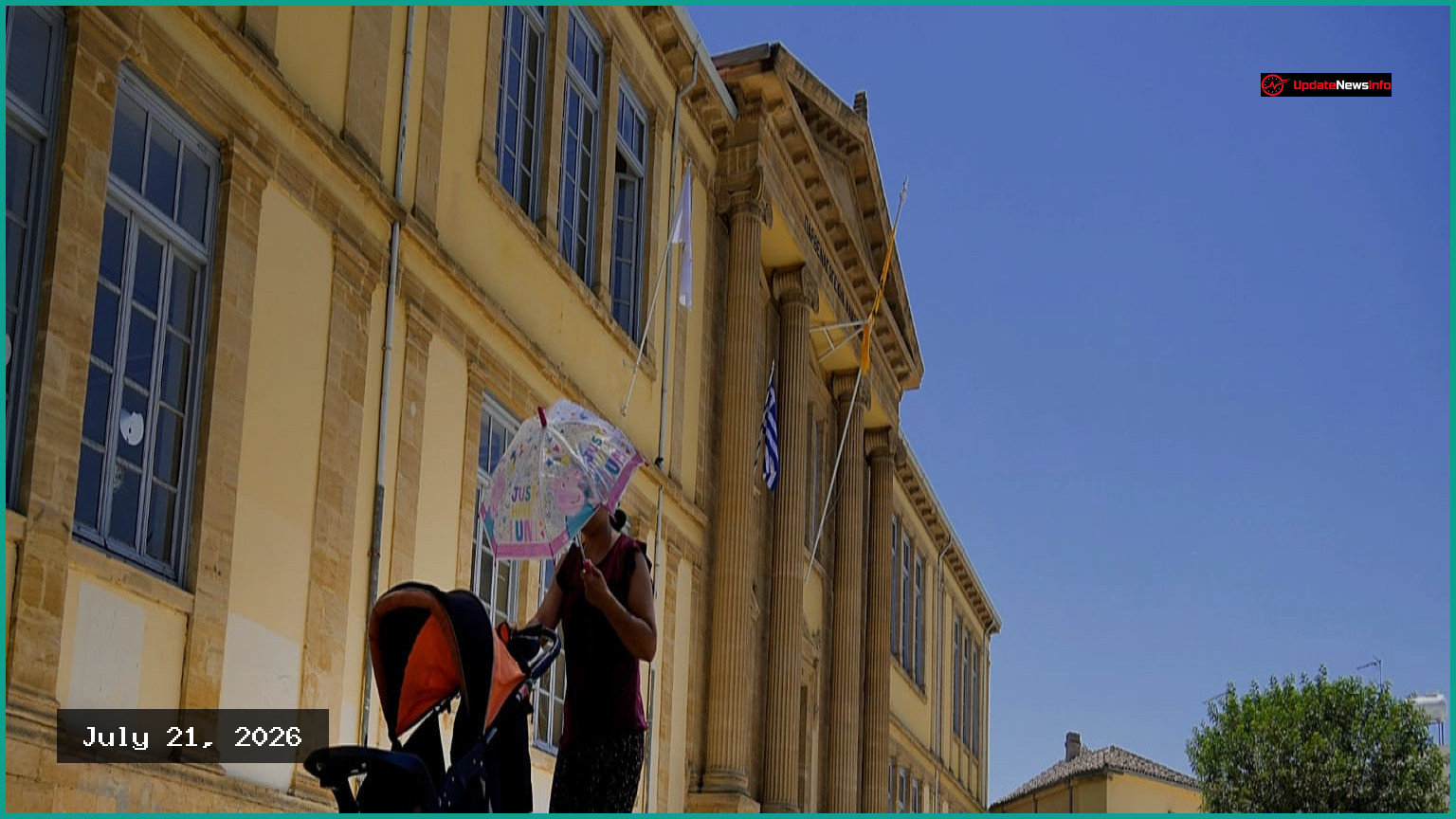
While outdoor activity is essential for the physical and mental development of toddlers and young children, the rising frequency of extreme summer heatwaves across Europe has introduced new safety challenges for parents. Human-caused climate change is contributing to longer and more intense heat events, a shift that Katherine Williamson, a pediatrician with Rady Children's Health in California, describes as a growing concern. Williamson noted that heat-related injury is becoming a more common issue for toddlers, joining traditional concerns like drowning and choking.
According to a recent UNICEF analysis, over 1.5 billion children globally face frequent and severe heatwaves. In Europe and Central Asia alone, rising temperatures are responsible for nearly 400 child deaths annually. Compared with adults, children are more vulnerable to both the short- and long-term effects of heat stress. They sweat less per kilogram of body weight and have a higher metabolic rate, causing them to warm up more quickly in extreme temperatures.
Parents are advised to remain vigilant for signs of heat illness. Though not necessarily signs of illness, fatigue and flushed skin likely mean your child needs a break to cool off. Increased irritability could also indicate that they are too hot, added Williamson. Dehydration in infants may be indicated by a lack of tears when crying or a decrease in the number of wet nappies. To combat this, experts suggest offering smaller, more frequent feeds. Debra Langlois, a pediatrician at the University of Michigan Health C.S. Mott Children’s Hospital, emphasizes that if a caregiver feels the heat, the baby is likely experiencing it as well.
While it is important to limit outdoor exposure during the hottest parts of the day, experts do not recommend avoiding the outdoors entirely. When outside, children should wear light-coloured, loose clothing and be protected with sunscreen. Parents should also offer water-rich snacks like watermelon or strawberries. A common mistake is covering strollers with blankets to provide shade, which traps heat and prevents air circulation. Instead, the World Health Organization (WHO) recommends using a portable fan combined with a thin, wet cloth that is re-wetted as needed to help lower the child's temperature.
The dangers of extreme heat were highlighted by the recent deaths of two children in a parked car in southern France. The WHO warns that children should never be left in parked vehicles, as temperatures can quickly reach dangerous levels even in the shade or with windows slightly open. If a car becomes hot, experts recommend running the air conditioning while leaving windows open for 10 to 20 seconds to help cool the vehicle before placing a child inside.