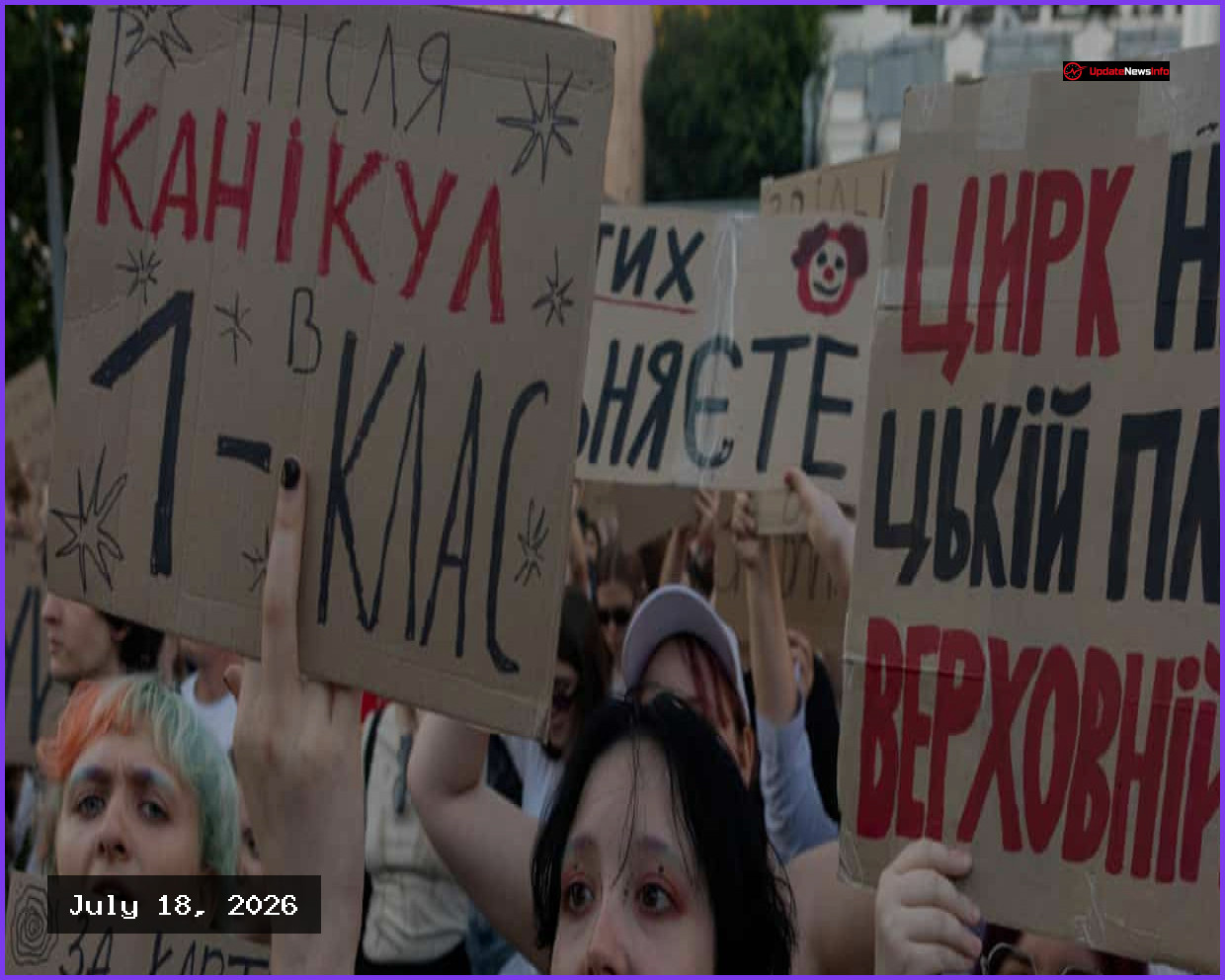
Thousands of protesters gathered outside the Ukrainian presidential office for a second consecutive day following a surprise government reshuffle that has sparked significant public and political concern. The dismissal of Fedorov, who had been instrumental in leveraging drone and missile technology, has been described as a shocking development that exposed leadership flaws and startled European officials. Critics and analysts suggest the conflict was inevitable, pitting an older, traditional general focused on a war of attrition against Fedorov’s tech-driven, improvisational approach that had recently shown tangible results.
Simultaneously, President Volodymyr Zelenskyy took diplomatic steps on Friday to repair a rift with Poland, a key ally. The tension stems from a decision in May to name a Ukrainian army unit after Second World War fighters linked to the killing of Poles. During a meeting with senior officials, Zelenskyy pledged to expand investigations into these killings by the Ukrainian Insurgent Army and promised to open relevant intelligence files. Zelenskyy emphasized that improved relations with Warsaw are critical to Ukraine’s defense efforts. Polish Prime Minister Donald Tusk responded on X, stating that Poland is ready for a serious and friendly dialogue regarding issues that both unite and divide the two nations.
Inside Russia, authorities have intensified their crackdown on dissent ahead of the September parliamentary election. Blogger Ilya Remeslo was detained on Friday on suspicion of spreading false information about the Russian army, though his lawyer, Sergei Badamshin, reported that he denies the charges. Additionally, anti-war politician Boris Nadezhdin was fined 1,000 roubles, approximately $13, for displaying extremist symbols. These actions serve as a warning to critics of President Vladimir Putin, whose government faces internal pressure from a slowing economy and fuel shortages caused by Ukrainian strikes on oil refineries.
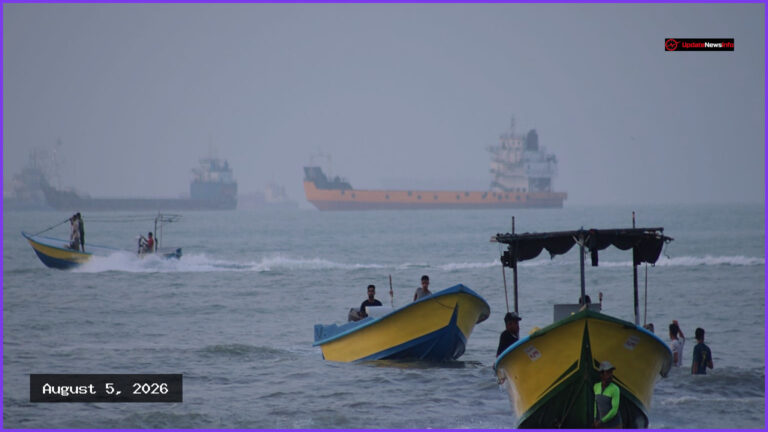
Military hostilities continued in the Black Sea, where Russian attacks on two Ukrainian port cities on Friday resulted in three deaths. A Russian drone strike on port infrastructure in Mykolaiv damaged three civilian foreign-flagged vessels, with regional prosecutors confirming that two Ukrainians on board one vessel were killed. In Odesa, Ukraine’s largest seaport, another individual was killed in a separate Russian attack. Odesa Regional Governor Oleh Kiper reported that a later strike hit a Marshall Islands-flagged vessel, causing a fire and injuring four of its 17 crew members. Analysts and traders note that these intensified strikes on deepwater ports have led to a partial halt in grain shipments and an almost complete suspension of grain purchases at port terminals.
Thousands gather outside presidential office for second day, following surprise government reshuffle. What we know on day 1,606
The move, which comes just as Kyiv appeared to be gaining some advantages in its war with Russia, has exposed a troubling flaw in the president’s leadership, and startled senior European officials. As Guardian senior international correspondent Peter Beaumont writes, the move is shocking because Fedorov had successfully leveraged drone and missile technology. “With hindsight, the conflict between the two men and their ideas about how to fight the war was inevitable: between an older – and old-school general – micromanaging a bruising war of attrition against a more numerous foe, and Fedorov, with his tech-driven, more improvisational approach that appeared in recent months to be showing dividends.”