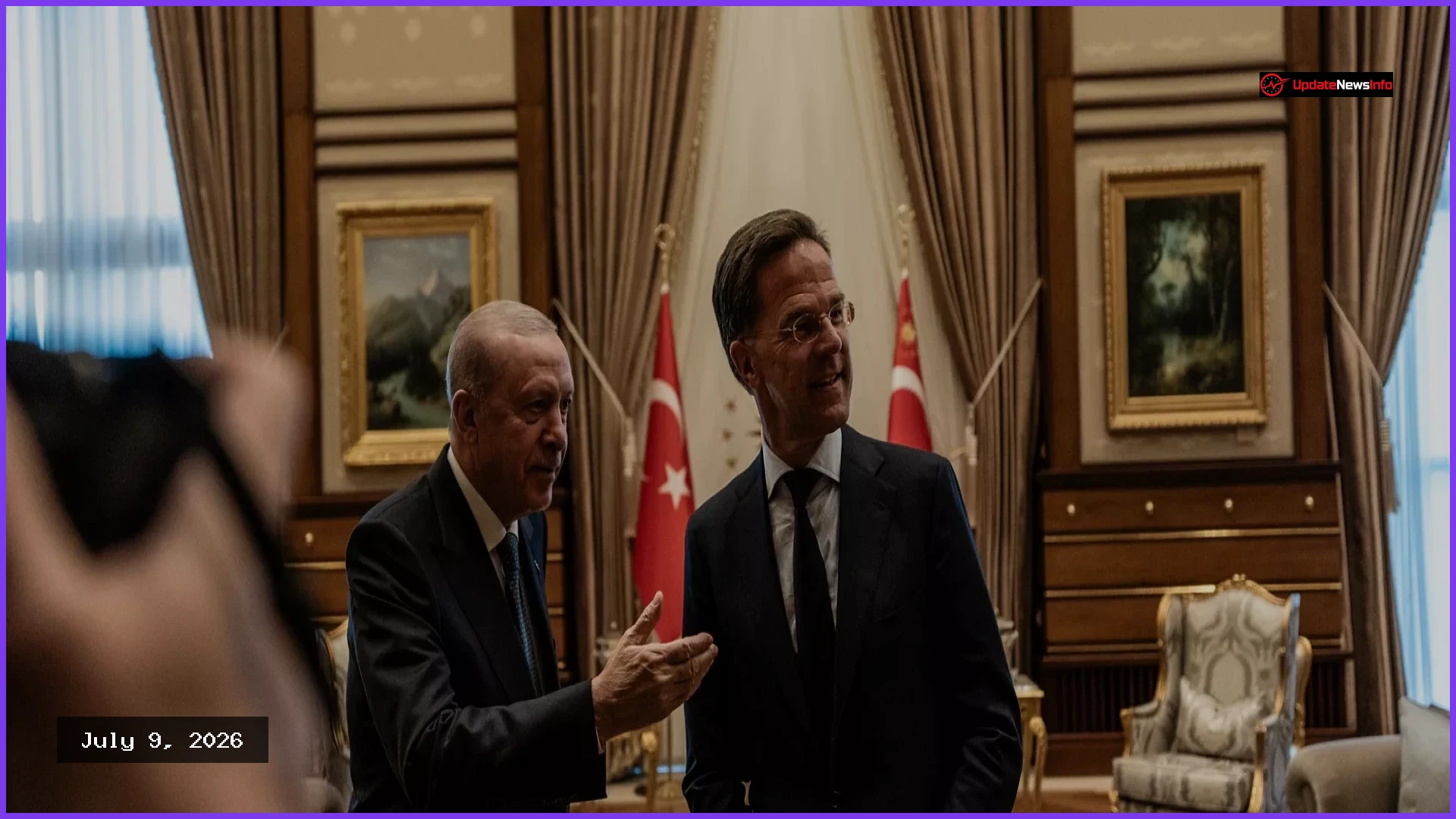
The NATO summit in Ankara was defined by a series of aggressive statements from US President Donald Trump, casting a shadow over the alliance’s proceedings. Despite efforts by NATO Secretary General Mark Rutte to emphasize a trillion-dollar increase in European defense spending, the atmosphere remained strained. While member state ambassadors had previously pledged an “unwavering commitment” to collective defense, Trump’s rhetoric regarding Iran and Spain created a palpable sense of unease.
During the summit, the alliance formally committed to providing Ukraine with military aid exceeding €70 billion in 2026, with an equal amount pledged for 2027. In a lighter moment, when asked about visiting Moscow, Ukrainian President Volodymyr Zelensky joked that there were “too many Ukrainian drones” in the city to make such a trip safe. Trump himself described the summit as “great” and “full of love,” yet his public comments regarding international relations told a different story.
Tensions surrounding the US-Iran conflict dominated much of the discourse. After the US military struck 80 targets in response to alleged Iranian interference with commercial ships in the Strait of Hormuz—an action for which Tehran denied responsibility—Iran retaliated with attacks on US bases in Bahrain and Kuwait. Trump labeled the Iranians as “liars” and a “cancer,” insisting that negotiations were a waste of time, though he acknowledged that his diplomats could continue talks if deemed appropriate. During a bilateral meeting with President Zelensky, Trump further threatened, “At night we will hit them hard.”
The market impact was immediate, with oil prices rising approximately six percent to $74 (€65) per barrel. While an EU spokesperson urged all sides to seek a diplomatic solution, NATO’s Rutte defended the US strikes as necessary for Israel and the global community, a stance that diverged from several European allies. Some observers noted that Trump’s volatility remains a concern, particularly regarding potential fuel price hikes that could impact Republican prospects in the November congressional elections.
Spain also faced specific criticism from the US President, who remarked, “I have not spoken with Spain. Spain is a wasted cause.” This friction stems from Spain being the only nation to refuse a commitment to NATO’s plan to invest five percent of GDP in defense by 2035. Furthermore, the government of Pedro Sánchez had previously banned overflights by American aircraft involved in the strikes on Iran, further distancing themselves from the US position. Regarding what was said in the final communiqué, the document emphasized unity despite these internal fractures.
None of this, however, helped secure an attempt at a friendly mood between the allies and the US. The American president, who announced the end of the truce with Iran, insulted Spain and again threatened to seize Greenland.
At the official meeting of the North Atlantic Council, the principle decision-making body within Nato, Trump avoided repeated verbal attacks. According to Reuters, he told leaders that the US wanted to stay in Nato. According to the Financial Times, he was much more affable during the formal session.