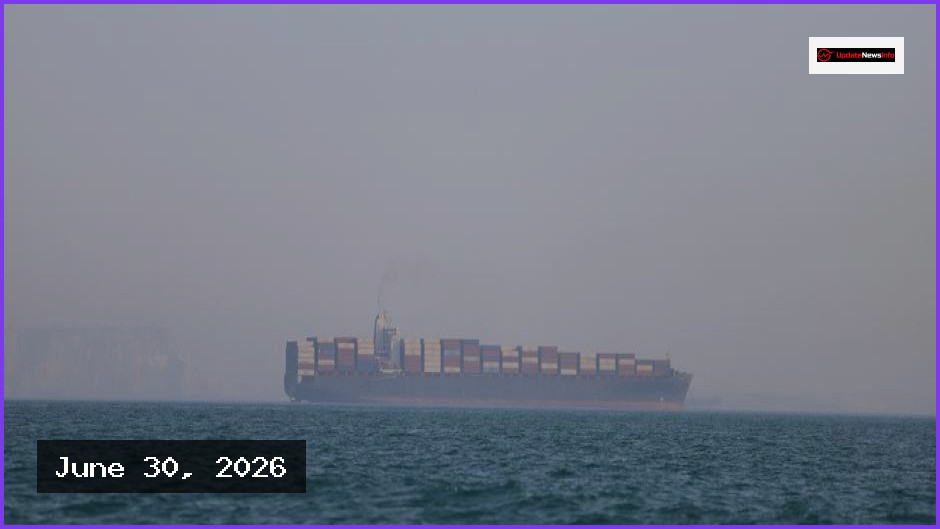
Following a recent period of hostility, the United States and Iran have reached an agreement to avoid further military confrontation, according to Washington. US President Donald Trump announced on June 30, 2026, via his Truth Social platform, that American and Iranian delegations are expected to convene in the Qatari capital, Doha, on Tuesday. Trump noted that the meeting could be significant, though he also acknowledged that it might prove otherwise.
Tehran has not confirmed the upcoming talks. Kazem Gharibabadi, Iran’s Deputy Foreign Minister, was quoted by the ISNA news agency stating that a meeting would occur only once conditions are met and an agreement on the date and venue is finalized. He added that no technical working group meetings are currently scheduled for this week, though he confirmed that consultations would take place through intermediaries.
Regional violence persists alongside these diplomatic efforts. Iranian state media reported that two members of the Islamic Revolutionary Guard Corps (IRGC) were killed in a shooting at their home in the city of Paveh, located near the Iraqi border. Two additional IRGC members were wounded in the same attack, which was described as a terrorist act. In a separate incident on Monday in the town of Saravan in Sistan-Baluchistan, a family was targeted in their vehicle; the father was killed instantly, and the mother later died from her wounds. Iranian authorities blamed these attacks on foreign-backed militants.
The German Foreign Ministry has described the situation as fragile and encouraged continued dialogue between Washington and Tehran. German diplomats expressed on X that the agreement to cease mutual attacks is a crucial step for diplomacy. They emphasized the need for a sustainable solution regarding the safety of the Strait of Hormuz and Iran’s nuclear program. These comments follow discussions in Washington between German Foreign Minister Johann Wadephul and US Secretary of State Marco Rubio.
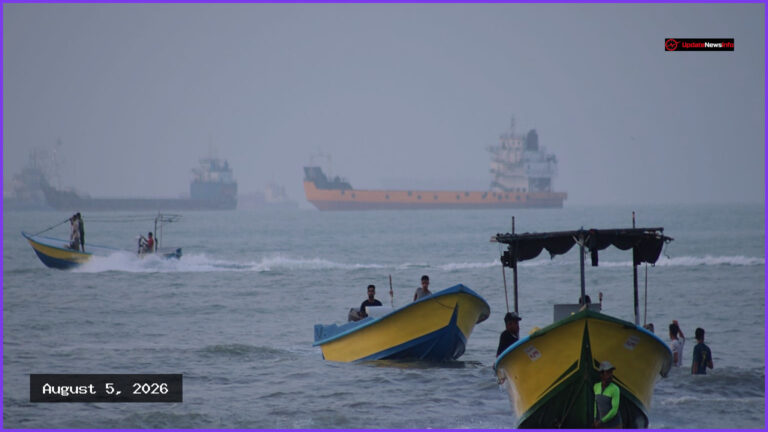
Significant disagreements remain regarding a memorandum of understanding recently signed by the two nations. Iran aims to exercise control over the Strait of Hormuz, whereas the United States asserts that the waterway must remain open to all traffic in accordance with international maritime law.