Ukrainian drones struck more Russian oil facilities on Thursday, igniting fires at oil depots and setting two oil tankers ablaze in the Sea of Azov. These strikes occurred a day after U.S. President Donald Trump pledged to grant Kyiv a license to manufacture Patriot air defense systems, a move intended to bolster Ukraine’s defenses.
The drone attacks on oil refineries and other infrastructure across Russia have contributed to a significant fuel crisis, with widespread gasoline shortages and rationing reported in multiple regions. Motorists have faced hours-long waits to refuel their vehicles. In response, Moscow has intensified its bombardment of Ukrainian cities, including Kyiv, highlighting Ukraine’s vulnerability to ballistic missile strikes.
Ukrainian President Volodymyr Zelenskyy stated, “We have long proposed that Russia end this war, and every day of delay should bring the feeling of war to where it all began — to Russia.”
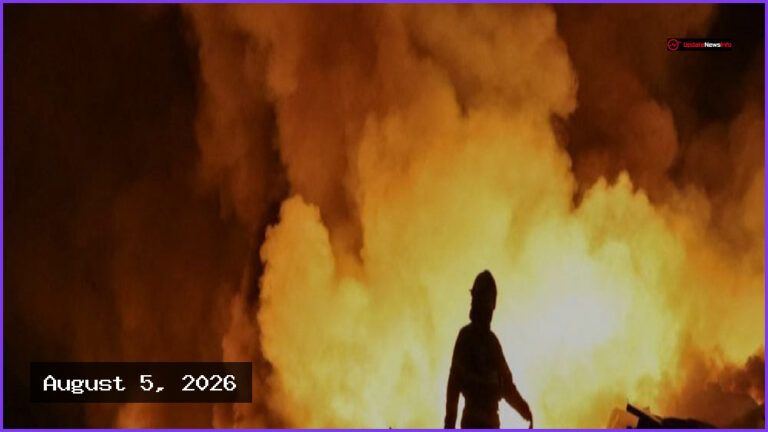
One Ukrainian drone strike caused a fire at an oil depot in the western Russian city of Tver, according to acting Governor Vitaly Korolyov. In Vyazniki, located in the southern Stavropol region, oil reservoirs were also set ablaze by drones, prompting the evacuation of several apartment buildings near the facility, as reported by Governor Vladimir Vladimirov.
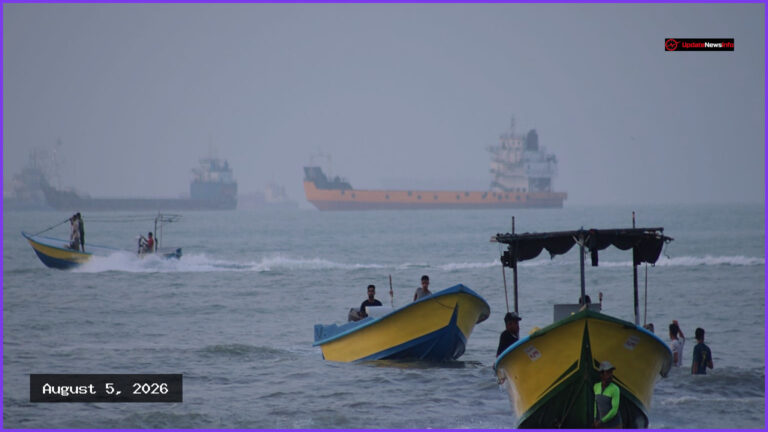
In the Sea of Azov, Rostov Governor Yuri Slusar confirmed that Ukrainian drones set two oil tankers on fire, with one vessel still burning and its crew having been evacuated.
Zelenskyy also mentioned that Ukrainian forces targeted fuel infrastructure deep within Russia, including a facility in Ufa, and an oil-loading terminal in the Rostov region, which is closer to Ukraine.
Russia’s Defense Ministry reported that its air defenses downed 73 Ukrainian drones between late Wednesday and early Thursday. Ukraine’s air force stated that Russia launched 94 long-range strike drones and two ballistic missiles. While 72 drones were reportedly jammed or intercepted, 19 drones and both missiles managed to damage 13 locations.
During a meeting with Zelenskyy on the sidelines of the NATO summit in Turkey on Wednesday, President Trump announced the U.S. would fulfill Ukraine’s request for a license to produce Patriot air defense systems. Trump also commended Zelenskyy’s performance, marking a shift from his previous criticisms.
However, Serhii Beskrestnov, an adviser to Ukraine’s defense minister, cautioned that domestic production of the mobile, surface-to-air systems could take a year or more. He explained that a production license typically includes technical documentation, specialist training, supplier contacts, and foreign consultants, with time being the primary obstacle rather than Ukraine’s technical or organizational capabilities.
Beskrestnov noted that recent reports suggest potential bottlenecks, including a long production cycle for some subcontracted components, which could range from 12 to 24 months, and limited global output of key parts from suppliers like Boeing and L3Harris. He added that while the Pentagon has signed contracts to expand production capacity, the timeline for increased output remains unclear.
Germany also holds a license to produce Patriot systems. In 2022, Raytheon and MBDA Deutschland announced plans to manufacture Patriot GEM-T missiles in Germany, with the aim of supplying them to other European allies. According to the Ukrainian publication Defense Express, a German facility is expected to open in September, with the first missiles scheduled for delivery next year, and Ukraine as the initial recipient.
Kremlin spokesman Dmitry Peskov responded to Trump’s statement about the Patriot missile licenses with a general remark, acknowledging U.S. military support for Ukraine while appreciating Washington’s stated commitment to peace. Peskov described the U.S. position as “somewhat ambivalent” but noted that, unlike Europeans, the U.S. maintains a desire to facilitate peace. He expressed hope that U.S. efforts on the Ukrainian track would resume after they resolve the situation regarding Iran.
Regarding Trump’s suggestion that Ukrainian attacks inside Russia could hasten a peace settlement, Peskov reiterated that increased strikes by Kyiv would lead Moscow to seek a broader “security zone” in Ukraine as part of its “special military operation.” Peskov warned, “It’s a mistake to think that escalation and military pressure could pave the way to a peaceful settlement. Further escalation may prolong the special military operation, we can’t say precisely to what extent, but it will force us to create a larger security zone, a larger buffer zone. Therefore, inciting tensions and taking escalatory action will in no way contribute to the peace process.”
Peskov also cautioned that establishing a no-fly zone would signify “NATO military forces being active on the territory of Ukraine — exactly what the special military operation is being waged against.” He added that President Vladimir Putin remains “open to dialogue” and is ready for another phone call with Trump.
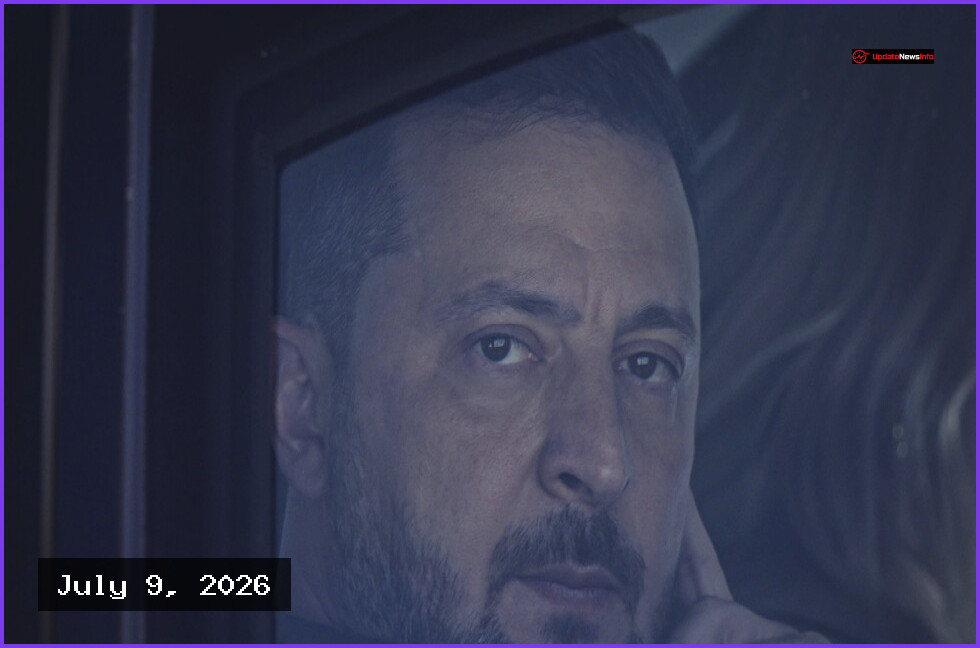
Ukraine’s President Volodymyr Zelenskyy looks out from his car window as he arrives for the NATO summit in Ankara, Turkey, Tuesday, July 7, 2026. (Metin Aktaş, Pool Photo via AP)
Ukrainian Air Force’s F-16 fighter jets fly over a Patriot Air and Missile Defense System in an undisclosed location in Ukraine, on Aug. 4, 2024. (AP Photo/Efrem Lukatsky, File)