The United States and Iran have resumed direct hostilities for the second consecutive night, effectively ending a ceasefire that had held for less than three weeks. The renewed conflict, which originally began in the spring, has once again placed the critical Strait of Hormuz at the center of global energy market instability.
U.S. Central Command reported that American forces struck 90 military targets within Iran on Wednesday, following an operation that hit 80 targets the previous night. These strikes targeted air defense systems, naval assets, and facilities used for storing missiles and drones. Simultaneously, Iranian state media, citing the Islamic Revolutionary Guard Corps, claimed to have retaliated by striking U.S. bases in Kuwait—specifically Arifjan and Ali Al Salem—as well as the Juffair and Sheikh Isa bases in Bahrain.
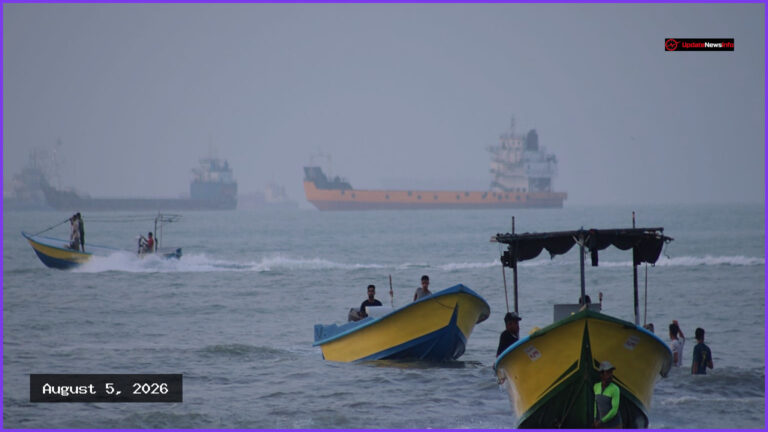
The strategic waterway of the Strait of Hormuz, essential for transporting crude oil and natural gas from the Middle East, has seen a sharp decline in traffic. On July 9, only two tankers successfully navigated the passage, one of which was an Iranian vessel under U.S. sanctions, while the other flew the flag of the Marshall Islands. Data indicates that at least four tankers turned back on July 8 to avoid the risk of attack. The United Nations reports that hundreds of ships carrying approximately 6,000 seafarers remain stranded in the Persian Gulf.
Arsenio Dominguez, secretary general of the International Maritime Organization, issued a plea for restraint on July 8. He emphasized that no seafarer should risk their life while performing their duties and urged nations to facilitate the safe departure of trapped vessels. The conflict has significantly impacted fuel costs, with crude oil prices holding near $73.50 per barrel on Thursday following a 4.4% increase in the previous session. The U.S. national average for regular gasoline climbed to $3.85 per gallon.
Tensions remain high as both nations trade sharp rhetoric. Vice President JD Vance stated during an event in Wisconsin that the U.S. military would respond if Iran attempts to close the waterway. In contrast, Iranian Speaker of Parliament Mohammad B. Ghalibaf warned on X that the shipping lane would only open under “Iranian arrangements” rather than American threats, labeling U.S. actions as “bullying.”
Meanwhile, Iran’s Ministry of Foreign Affairs accused the U.S. of using “baseless pretexts” to attack Iranian territorial integrity, specifically citing the targeting of a railway route leading to a historic shrine in Mashhad al-Reza. As the situation escalates, global markets continue to monitor the impact of the conflict on the vital shipping channel that previously accounted for approximately one-fifth of the world’s oil and gas transport.
Iran has attacked ships in the Strait of Hormuz since the current conflict started in late February and a U.S.-Israeli airstrike killed Supreme Leader Ali Khamenei. Ship traffic slowed dramatically but partially resumed up when the two sides signed a ceasefire June 17.
The national average price for a gallon of regular gasoline rose to $3.85 on Thursday, up a few cents from yesterday’s $3.80 average, according to AAA. It remains lower than it was this time last month, when the average was $4.16, but higher than pre-war levels.