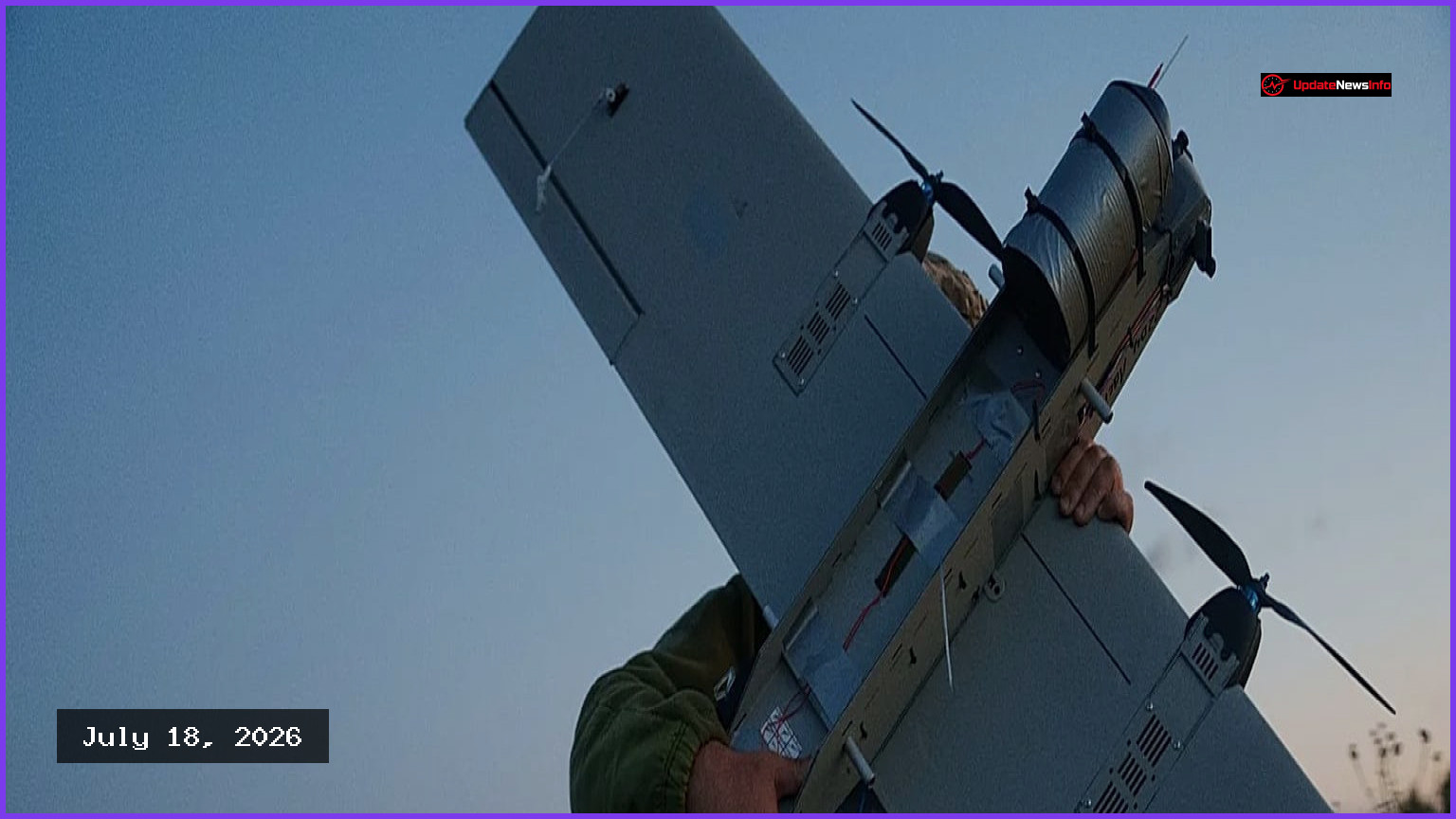
Ukrainian forces executed a series of large-scale strikes across central Russia overnight, successfully targeting multiple warehouses and an oil facility, according to reports from both Kyiv and local Russian authorities. President Volodymyr Zelenskyy confirmed on Saturday that the operation hit two significant logistics facilities located in the Moscow and Tambov regions. Describing the strikes as part of Kyiv's ongoing "long-range sanctions" against Russia, Zelenskyy stated that the targeted facilities were utilized by the aggressor to store sanctioned components intended for drone production and navigation equipment.
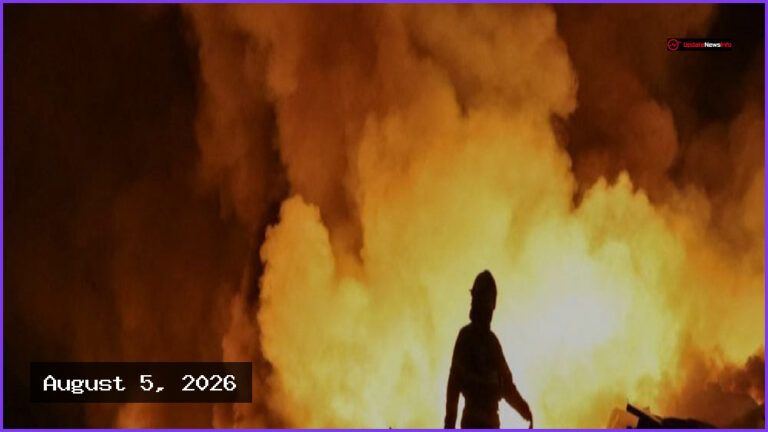
In response to the activity, Moscow Mayor Sergey Sobyanin claimed that 370 drones were directed toward the Moscow region. He asserted that local air defenses successfully "neutralized" the majority of the incoming drones, reporting that 64 were destroyed. Social media footage appearing to show a massive fire at a Wildberries warehouse—a retail company founded by billionaire Tatyana Kim—has circulated, though these specific details remain unverified. The Russian Ministry of Defence has previously alleged that Ukraine uses private logistics infrastructure, such as terminals operated by the courier service Nova Poshta, to assemble and store drones. This follows a June statement from Nova Poshta CEO Yevhen Tafiichuk, who reported the destruction of the company's largest terminal by a Russian missile strike.
The exchange of long-range fire continued throughout the night, with the Ukrainian air force reporting that Russia launched 90 attack drones and seven missiles, primarily targeting the Odesa region. Local air defenses intercepted 69 of these drones and one missile by Saturday morning. Additionally, a drone strike in Kherson on Saturday morning resulted in injuries to at least nine people, as reported by the Kherson Oblast Military Administration.
Ukraine has increasingly focused its long-range capabilities on Russian industrial and energy infrastructure, particularly refineries and oil depots. These persistent strikes have triggered a fuel crisis across various parts of Russia and occupied territories, resulting in petrol shortages and rising prices. In an effort to mitigate these impacts, the Kremlin has implemented a ban on diesel exports and introduced fuel rationing in several affected regions.