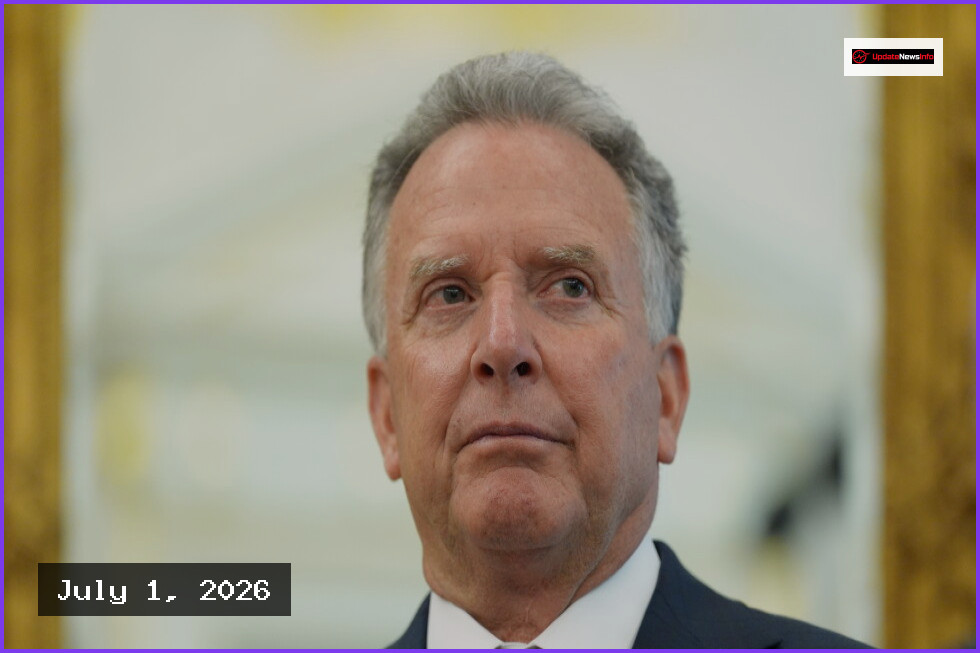
Two American envoys landed in Qatar on Tuesday to initiate discussions with mediators regarding the execution of a preliminary agreement aimed at concluding the conflict in Iran. The mission, led by President Donald Trump’s special Mideast envoy Steve Witkoff alongside the president’s son-in-law Jared Kushner, follows a weekend of military engagement in the Persian Gulf centered on the reopening of the Strait of Hormuz to maritime traffic.
Majed al-Ansari, a spokesperson for the Qatari Foreign Ministry, stated that the envoys will not engage in direct negotiations with Iranian officials during their stay in Doha. Instead, Qatari mediators are currently facilitating the dialogue, which is not expected to involve high-level officials from either side.
While the U.S. and Iran have previously held indirect talks, two prior attempts failed, leading up to the 12-day Israeli offensive in 2025 and the current conflict initiated jointly by the U.S. and Iran on February 28. Iran is also dispatching a delegation to Qatar this week. Iranian Foreign Ministry spokesperson Esmail Baghaei confirmed on Tuesday that there are no current plans for direct meetings between Iranian and American officials.
Baghaei indicated that the primary objective for the Doha sessions is to discuss the implementation of a memorandum of understanding with the Qatari side, specifically focusing on the release of blocked Iranian assets. It remains possible that the two nations may exchange communications through Qatari intermediaries.
Earlier this month, the U.S. and Iran reached an interim agreement requiring Tehran to dilute its enriched uranium stockpiles while the U.S. lifts specific oil sanctions. The deal mandates free navigation through the Strait of Hormuz and provides a 60-day window for both parties to negotiate more comprehensive agreements. Iranian President Masoud Pezeshkian noted that Qatar intends to release $6 billion in frozen assets, a figure confirmed by a U.S. official who added that the funds are designated for the purchase of U.S. food products for the Iranian population.
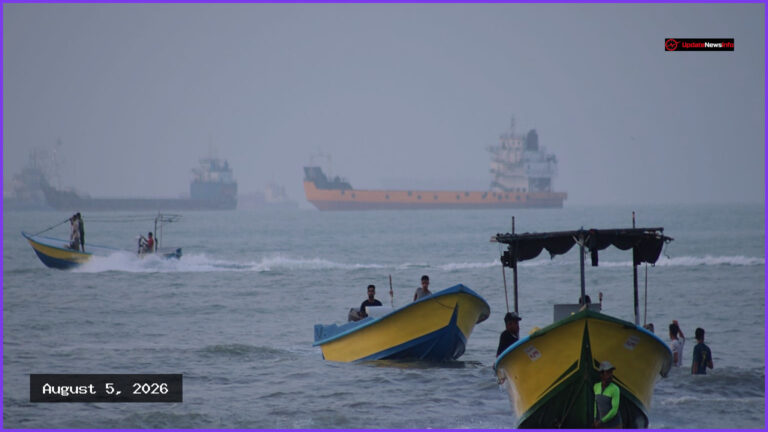
Prior to the outbreak of hostilities, the Strait of Hormuz served as a transit point for one-fifth of global oil shipments. Recent Iranian threats and attacks against cargo vessels have disrupted these routes, sparking a worldwide energy crisis. Despite falling within Iranian and Omani territorial waters, the strait is historically viewed as an international waterway. Ongoing efforts to open these waters to traffic have been hampered by recent strikes, including Iranian attacks on two vessels—including a tanker carrying Qatari crude—and subsequent retaliatory American airstrikes, as well as Iranian drone and missile strikes targeting Bahrain and Kuwait on Sunday.