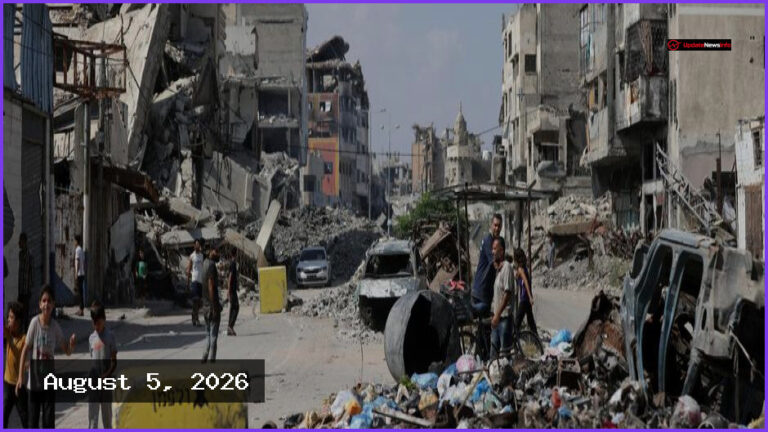
Venezuela’s interim government has announced the commencement of formal talks with the opposition, a strategic move aimed at strengthening the nation’s democracy. The initiative, which is supported by the United States, seeks to foster a democratic transition in a country currently struggling to recover from twin earthquakes that resulted in more than 4,700 deaths.
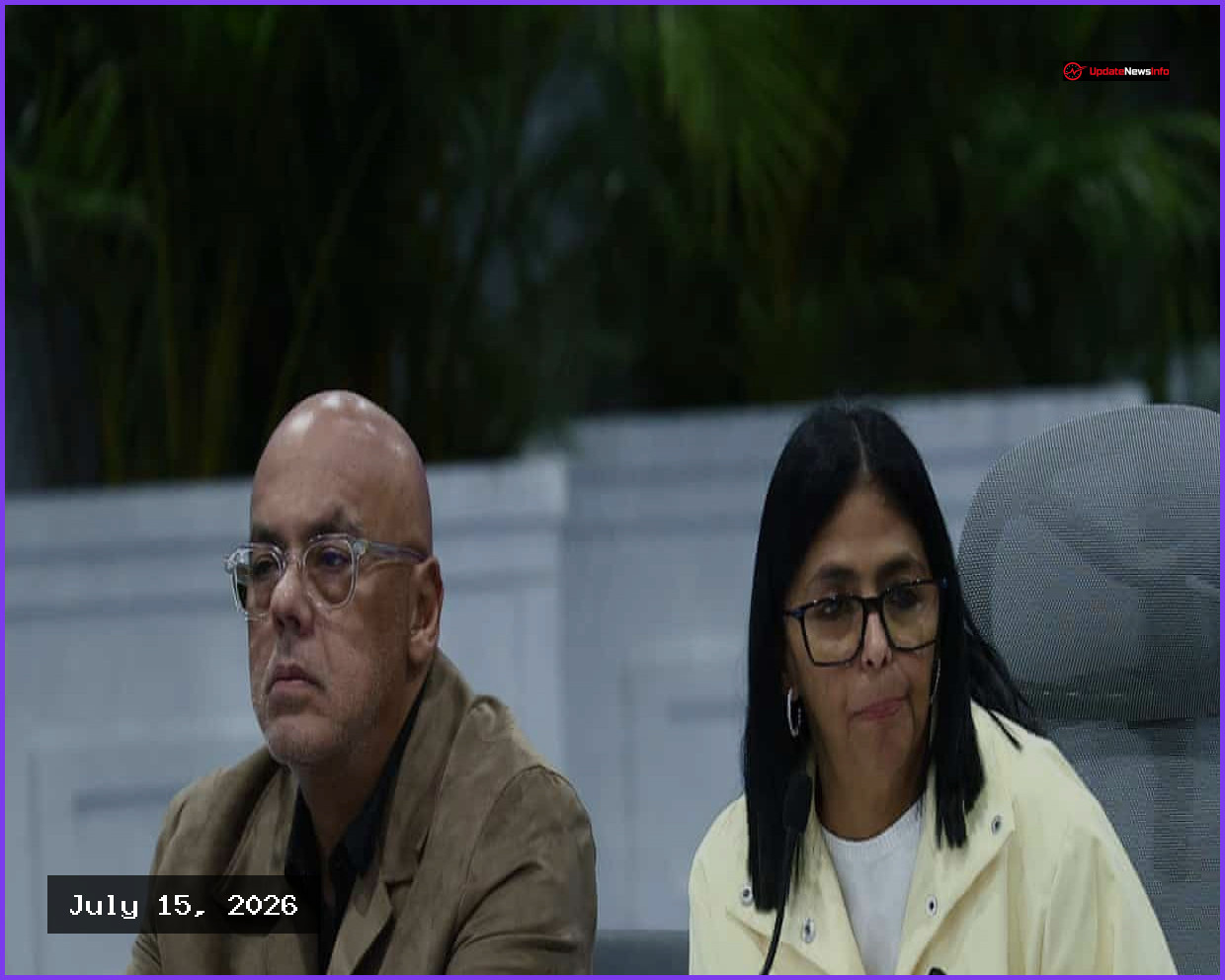
Contrary to earlier expectations, Nobel laureate María Corina Machado will not lead the negotiations. Instead, the primary representative for the interim government will be Dinorah Figuera. Although Figuera has lived in exile in Spain since 2018, she recently returned to Caracas at the invitation of the US State Department. Her return and subsequent meeting with the president of the National Assembly, Jorge Rodríguez, were praised by Washington as the start of a roadmap for political dialogue.
The formal talks are scheduled to begin on 1 August. According to Jorge Rodríguez, whose sister Delcy Rodríguez serves as the country’s acting president, the discussions will involve a joint working group comprised of former members of the 2015 National Assembly, which was previously led by Figuera. This assembly remains the only opposition-controlled congress elected during the era of Chavismo, the movement established by former president Hugo Chávez. Many members of that body were later imprisoned or forced into exile.
The announcement has sparked internal discussions within the opposition, as a coalition of parties had previously designated Machado to lead election negotiations. Machado, who presented her Nobel prize to Donald Trump, has expressed a desire to return to Venezuela, though the White House has reportedly discouraged this move out of fear that it could incite civil unrest. The opposition coalition is set to meet to define a formal position regarding the talks.
The joint working group has stated that its primary focus will be on strengthening the electoral system and restoring guarantees for political participation. While the US continues to exert significant influence over the political situation in Venezuela—with Secretary of State Marco Rubio reportedly playing a central role in affairs—there is currently no established timetable for new elections. Public frustration remains high regarding the government’s response to the earthquakes, and even within opposition circles, there is an acknowledgment that rebuilding the electoral infrastructure could take at least eight months.
A week before the 24 June earthquakes, Figuera returned to Venezuela and held her first meeting with Jorge Rodríguez. The US state department praised that meeting as the beginning of a “roadmap for a political dialogue on a democratic transition”.
Despite the announcements, there is still no timetable for new elections. Maduro is widely believed to have stolen the 2024 election, and Delcy Rodríguez was his vice-president. Public anger has been growing over what many see as the government’s botched response to the earthquakes. Even within the opposition, the expe