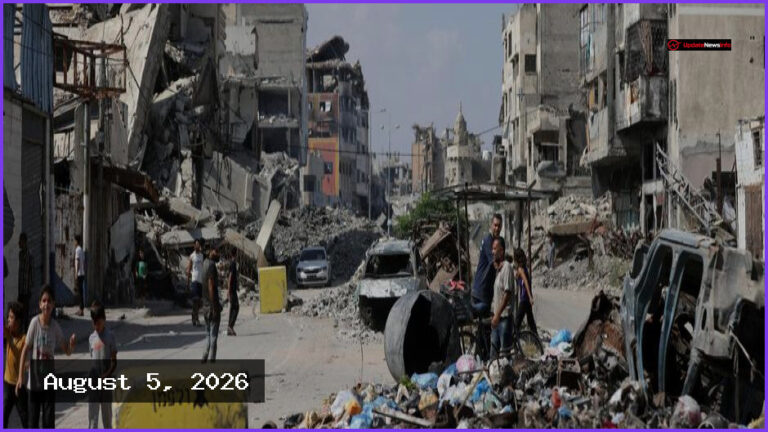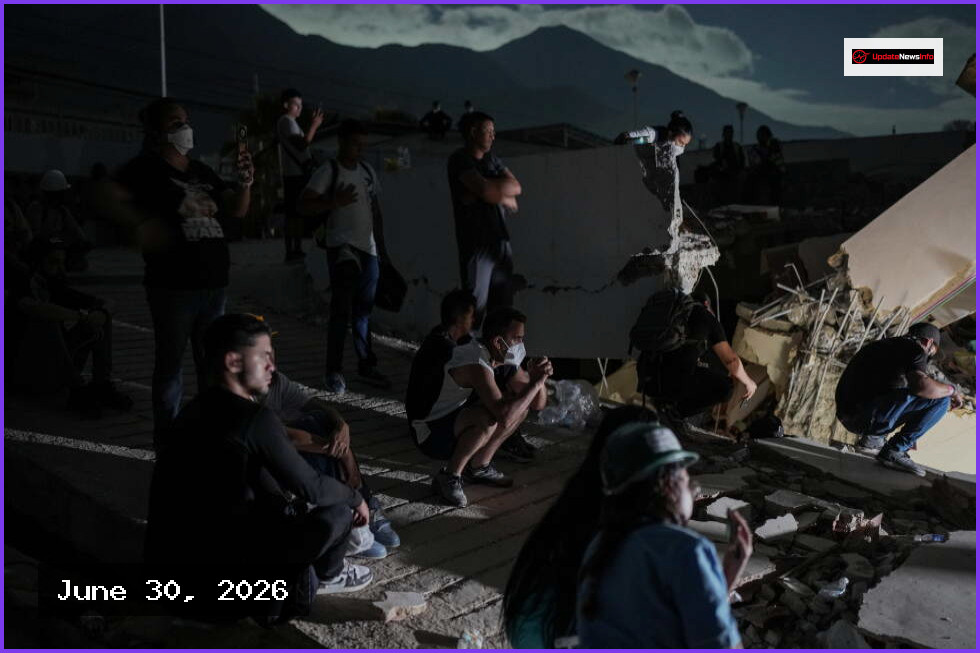
In Venezuela, citizens continued to comb through the wreckage of buildings leveled by last week’s powerful twin earthquakes on Monday. As the critical 72-hour rescue window passed, focus shifted toward the intensifying humanitarian crisis that threatens to leave thousands of displaced people without support for years. A 4.6 magnitude aftershock rattled the northern state of La Guaira, further complicating rescue efforts and keeping the local population in a state of high alert.
Official reports from the government place the death toll at over 1,700 people. While authorities, including National Assembly leader Jorge Rodríguez, have publicized efforts to restore electricity and manage 15 temporary displacement camps, many residents feel the response has been sluggish. Police and military personnel were seen distributing limited supplies, such as crackers and tuna, to displaced families in La Guaira.
Reports from the epicenter remain grim, with families waiting at search sites for any sign of loved ones. Meanwhile, the U.S. Geological Survey confirmed that more than 600 aftershocks have occurred since the initial quakes. Monday’s moderate tremor, centered 27 kilometers north of Caraballeda, sent residents in Caracas fleeing into the streets in panic.
International support has begun to arrive, with the U.S. State Department reporting that 300 first responders are currently operating on the ground. Two dozen C-17 military transport planes are delivering supplies daily, and U.S. financial support has surpassed $300 million. American forces are also assisting in repairing port infrastructure and managing air traffic after the collapse of the control tower at Simón Bolívar International Airport.
Controversy persists regarding the government’s official figures, which experts believe represent a significant undercount. While official data indicates 855 buildings were damaged or collapsed, a preliminary assessment by NASA using European Space Agency satellite imagery suggests the figure could be as high as 58,870. Additionally, the United Nations estimates that up to 6.8 million people may be affected by the disaster, far exceeding the government’s count of 15,866 individuals.
Local rescue efforts have been hampered by a lack of equipment, leading some citizens to take matters into their own hands. Jean Sosa, a 31-year-old miner recently deported from the U.S., has been digging through the rubble using only a pickaxe, having reportedly rescued 20 people without formal support. The Venezuelan press union has also raised concerns over government restrictions on foreign journalists, noting that access to affected areas like La Guaira has been blocked under the guise of reducing noise during operations.