The Women's Africa Cup of Nations (WAFCON) 2026 is finally set to commence, arriving months behind its original schedule and featuring a larger field of competitors than initially planned. The tournament, which determines the premier women's international football team in Africa, has been a staple of the continent's sporting calendar since 1991, with its modern structure established in 1998. It has generally been held every two years since that time.
Nigeria enters the competition as the most successful side in history, boasting a record 10 titles. Only two other nations have managed to challenge their dominance: Equatorial Guinea, who won as hosts in 2012, and South Africa, the reigning champions from 2022. The African football federation (CAF) expanded the tournament to 16 teams, a change that saw four additional sides reinstated after losing in the second qualifying phase, despite earlier denials from governing officials regarding potential adjustments. It was a sign of things to come.
For the third consecutive time, Morocco will host the event. Matches are concentrated in Rabat and Casablanca, with the city of Fez removed from the original venue list. Morocco has emerged as a preferred destination for both CAF and FIFA, having hosted the men's AFCON last year and securing roles in future global events, including the 2030 men's World Cup, as well as various continental and international youth tournaments.
The tournament is scheduled to begin on July 26 with an opening match between Algeria and Senegal, followed by Morocco’s debut against Kenya later that day. The final is set for August 16 in Rabat. The delay, which frustrated many teams and fans who had already finalized preparations and spent money, was necessitated by the host nation's request. Luxolo September, CAF’s head of communications, told DW at the time that the decision was not taken lightly, noting that there was a lot of interaction between Morocco, FIFA, and CAF regarding the date. He added that the organization took no joy from the situation and would have preferred to play in the original window. This marks the second time in recent years the tournament faced postponement, with a previous delay occurring to avoid a clash with the Paris Olympics.
The scheduling has created further challenges, as the tournament will conclude just as domestic seasons begin in various regions, including Germany, where the DFB Cup kicks off on the same weekend as the WAFCON final. Hosts Morocco are aiming for their first-ever title, hoping to replicate the recent success of their men's team. Nigeria remains the favorite, while South Africa is expected to be a strong contender. Newcomers like Cape Verde, alongside teams such as Ivory Coast and Egypt, are viewed as potential dark horses.
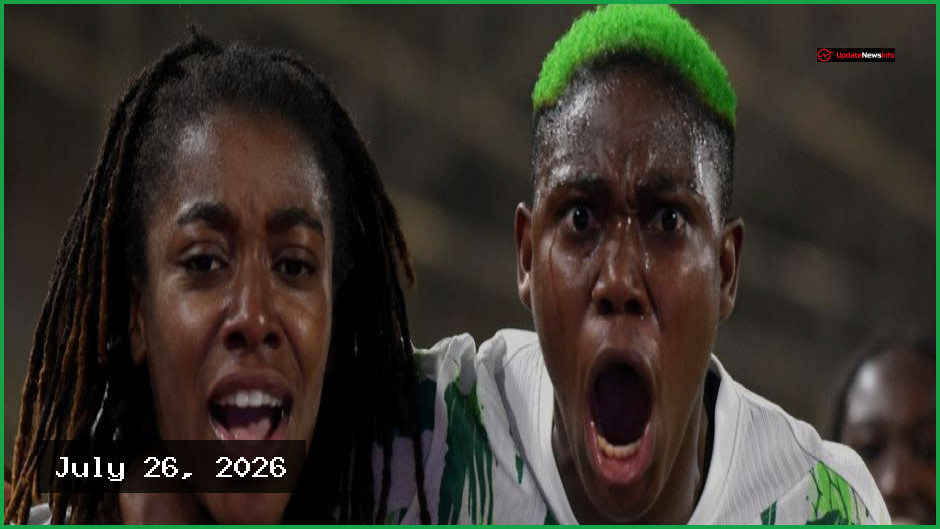
Individual talent will be on full display, with Nigeria’s Rasheedat Ajibade, the 2024 player of the tournament, leading the charge alongside goalkeeper Chiamaka Nnadozie, who is regarded as the continent's best. Zambia brings stars like Barbra Banda and Racheal Kundananji, while Morocco relies on veteran forward Ghizlaine Chebbaine Chebbak. The 35-year-old, who was the top scorer at the last two tournaments, may not have many better chances to win a first major international honor. Malawi, the lowest-ranked team, will look to Tabitha Chawinga, who has scored 25 goals in 11 caps, and her sister Temwa, who plays for the Kansas City Current in the NWSL and won the 2025 Golden Boot with 15 goals in 23 games.