For generations, the traditional "big five"—lions, leopards, rhinos, elephants, and buffaloes—have defined the ultimate wildlife travel experience. However, new research suggests that modern travellers are dreaming of a different kind of "big five," one that shifts the focus away from traditional safari animals toward bamboo forests, whale-watching, and iconic marsupials. A study conducted by the tour company Explore, which surveyed 2,400 people across 12 countries and analyzed Google search data from the past 12 months, has revealed a significant shift in how people approach wildlife tourism. The data shows a 211% increase in searches for "wildlife holidays," and 72% of global respondents stated that the presence of wildlife is at least a somewhat important factor when choosing a holiday destination.
The research also highlighted the top destinations for wildlife enthusiasts. Australia emerged as the clear leader, with 38% of those surveyed naming it as their top choice. South Africa followed in second place with 11%, while Kenya secured the third spot with 9%. Canada and China rounded out the top five, receiving 7% and 6% of the responses, respectively. While the traditional safari remains a bucket-list staple, the study identified a new set of priority animals that travellers are now most keen to encounter in the wild.
Giant pandas claimed the top spot on this new list, with 41% of respondents expressing a desire to see them. Native to the mountainous regions of China, these black and white creatures reside in the dense bamboo forests of the Gansu, Shaanxi, and Sichuan provinces. Although once classified as endangered, the International Union for Conservation of Nature now marks them as a vulnerable species. Because they are notoriously difficult to spot, seeing them is considered a special experience. Travellers are encouraged to visit the Chengdu Research Base, which is China's leading panda breeding centre, or the Wolong National Nature Reserve, the largest wild panda habitat in the country.
Elephants are the only species from the original big five to make this updated list, with 32% of people surveyed indicating they are keen to see them. These impressive animals are native to Africa and Asia. For the best chance to see them, the study suggests visiting Chobe National Park in Botswana, which hosts up to 120,000 elephants, representing the largest concentration on Earth. In Asia, Udawalawe National Park in Sri Lanka is recommended, as it also functions as a care centre for orphaned elephants.
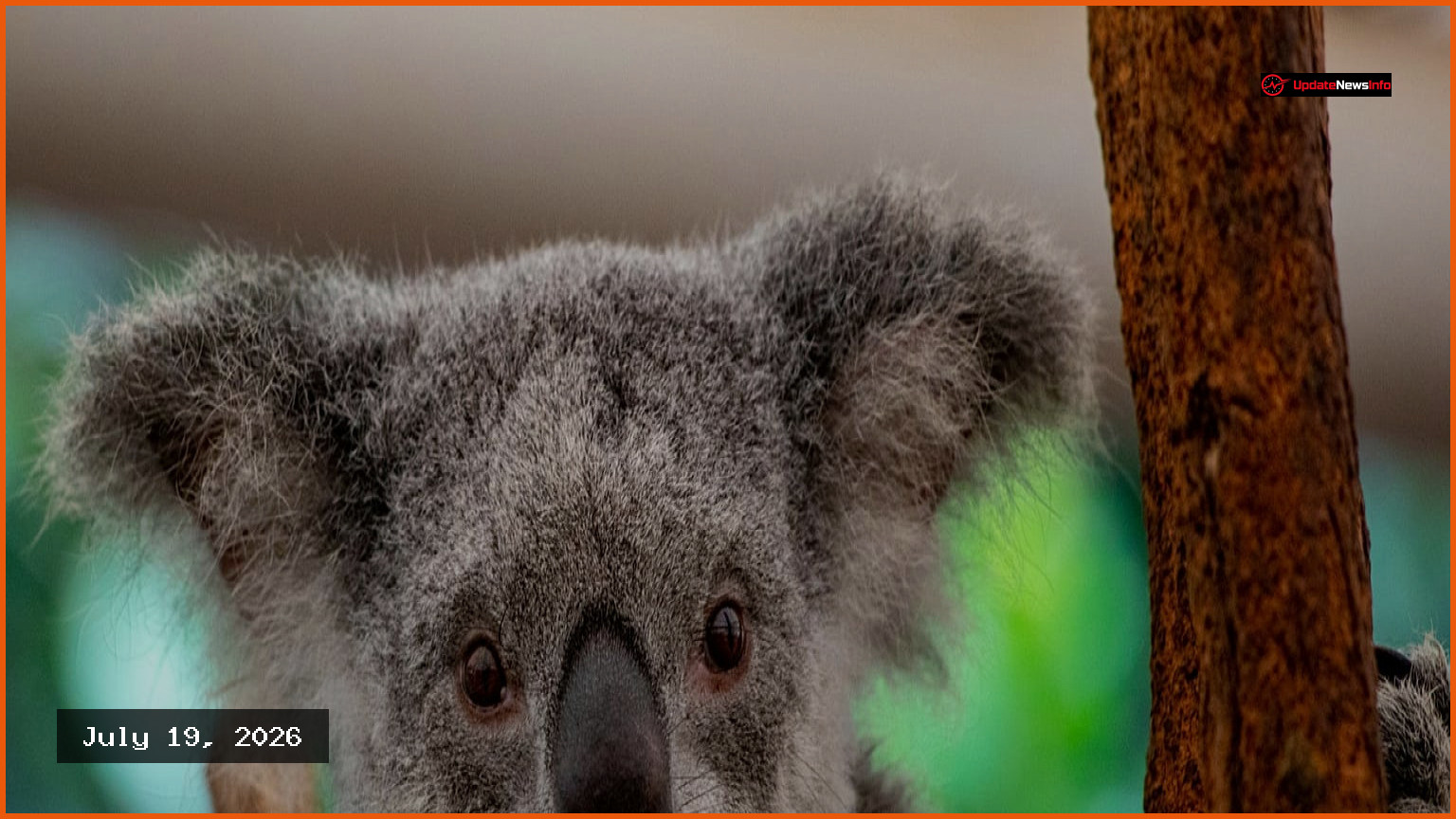
Kangaroos also captured 32% of the interest, making them one of the most sought-after encounters. These marsupials inhabit a variety of environments, from grasslands to coastal regions. To ensure a sighting, the study recommends visiting Kangaroo Island off the coast of Adelaide or Murramarang National Park in New South Wales, where visitors might spot the Eastern Grey variety on the beaches. Koalas followed closely, with 30% of respondents naming them a dream creature to see. Despite their famously relaxed lifestyle, which involves sleeping between 18 and 20 hours a day, koalas are difficult to spot due to their homes in eucalyptus trees. Kangaroo Island and the coastal hub of Port Stephens in New South Wales are considered prime locations for viewing them.
Finally, 29% of respondents expressed a desire to see whales in the wild. Because whales migrate seasonally, they are considered one of the most achievable once-in-a-lifetime wildlife experiences. There is no shortage of places to spot various species, ranging from Australia to Canada and Madeira in the Atlantic Ocean. For the best chance of a sighting, the study suggests a trip to Hermanus in South Africa, the self-proclaimed whale-watching capital of the world, or Mirissa in Sri Lanka, which is recognized as one of the best places globally to spot blue whales.
Think of Australia, and you’ll probably think of kangaroos. The study found that 32% of respondents said seeing them in the wild is their most sought-after wildlife encounters.