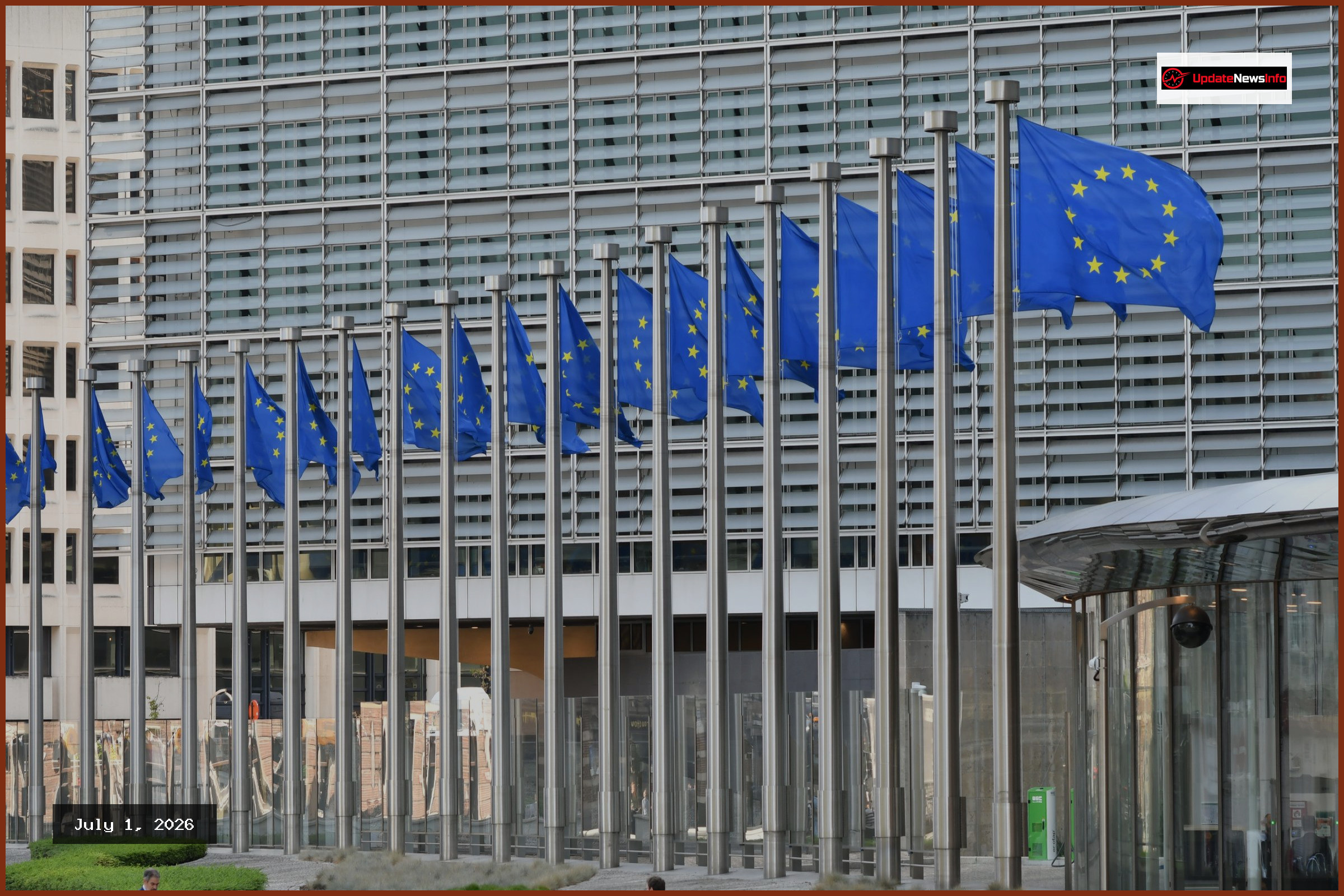
A recent study commissioned by the European Union has revealed that 90 percent of Europeans are in favor of a more consolidated and united stance when addressing global challenges. Despite this desire for collective action, nearly 50 percent of the individuals surveyed indicated that they are currently feeling a sense of uncertainty regarding the prevailing global situation.
Released on Wednesday, 1 July, the European Parliament’s survey was conducted during a period characterized by heightened tensions between the United States and the Middle East, reflecting a general atmosphere of anxiety across the continent. While presenting the findings on Tuesday, European Parliament spokesperson Delphine Colard noted that citizens are increasingly prioritizing defense and security to bolster the EU’s global influence.
Colard also highlighted that 74 percent of Europeans now view membership in the bloc as beneficial, marking an all-time high for public favorability. Data dating back to 2013 has consistently shown a positive trend in how the public perceives the union. The survey assessed the priorities, life expectations, and living standards of residents, suggesting a level of general stability within the bloc.
This shift toward stronger EU support serves as a significant counter-narrative to nationalist movements, such as the French far-right National Rally, whose candidate Jordan Bardella has pledged to cut France’s EU budget by half if elected next year. Furthermore, three-out-of-four respondents expressed a need for more robust tools to address global challenges, a finding that comes ahead of upcoming debates regarding the multi-year financial framework starting in 2028.
A spokesperson for the Parliament mentioned to reporters that these results remain stable compared to previous surveys and represent the majority view across all member states. Regarding the younger demographic, the report noted that while overall engagement rates are dipping, citizens aged 15 to 24 remain among the most enthusiastic supporters of the EU, maintaining higher expectations for its role. This group also reported a higher quality of life, with 92 percent of younger respondents expressing satisfaction, compared to 80 percent of those aged 55 and older.