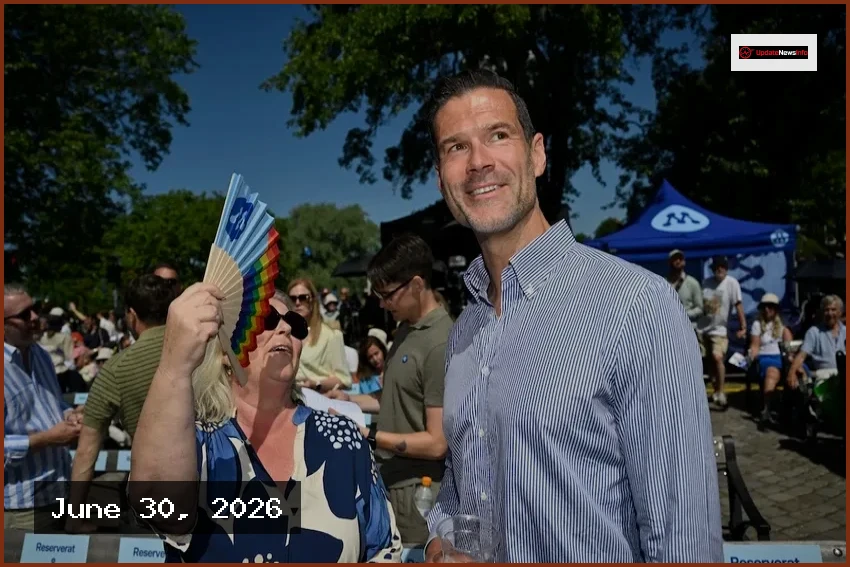
Swedish Migration Minister Johan Forssell has opened up about the intense personal and professional demands of his position. Speaking at the Almedalen political festival, he addressed the criticism he faces, noting that his role often subjects him to polarized abuse. He remarked that one day he is labeled a Nazi, and the next, a left-wing activist, highlighting the pressure of navigating the volatile landscape of Swedish immigration policy.
Forssell is widely regarded as one of the government’s hardest-working ministers, having overseen numerous legislative changes since the government’s formation in October 2022. Alongside Justice Minister Gunnar Strömmer, he has been responsible for driving more than 60 percent of the Tidö Agreement, the governing program established with the Sweden Democrats. He emphasized that the ministry has faced a significant workload, exacerbated by a high volume of new legislation and the challenge of recruiting qualified legal personnel to conduct necessary inquiries.
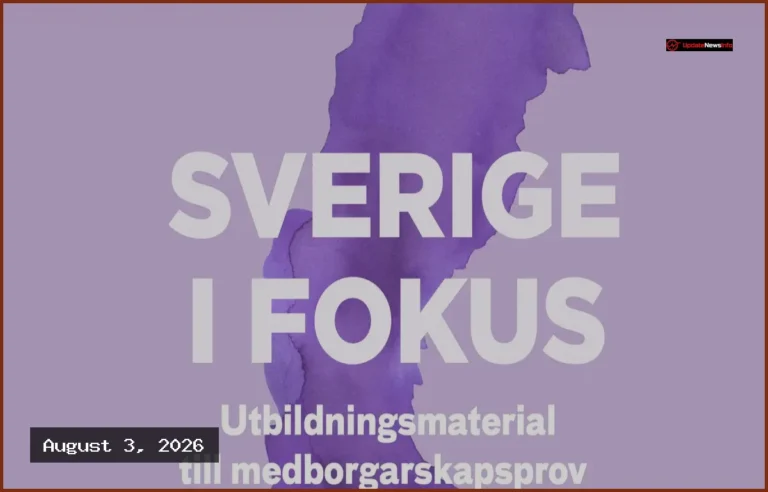
Despite the high-pressure environment, Forssell remains proud of his achievements, specifically the implementation of new requirements for citizenship, such as language proficiency, civics testing, and self-sufficiency—measures that have been absent from Swedish policy for 50 years. He noted that asylum seeker numbers have reached their lowest levels since 1985, and he anticipates even lower figures in the future.
Looking ahead, Forssell discussed upcoming legislative changes, including a new law regarding the deportation of foreign citizens who commit crimes, which is set to take effect in September. He suggested that Sweden’s new regulations may soon surpass those of Denmark in terms of severity. Regarding proposals to revoke permanent residency for former asylum seekers, Forssell indicated that the government views the issue as a lower priority, and no formal agreement exists to enact it.
Finally, Forssell addressed the potential impact of the upcoming September election on his reforms. While some political opponents may consider reversing these changes, he maintains that immigration will remain a central theme of the campaign, mirroring trends seen in other European elections. Adopting a stoic approach to his duties, he continues to rely on his guiding mantra: “Keep calm and carry on!”