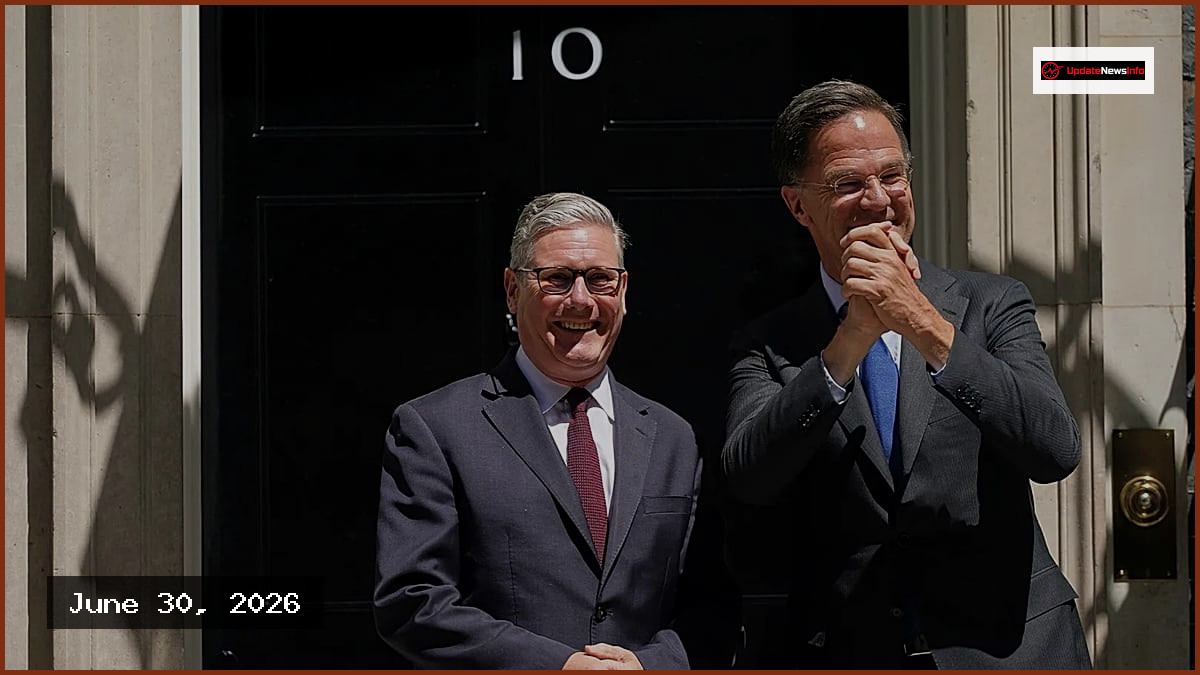
NATO Secretary General Mark Rutte has expressed approval for the United Kingdom’s long-awaited Defence Investment Plan (DIP), describing the initiative as a positive move toward achieving the alliance’s defence spending targets. The announcement came on Tuesday from outgoing Prime Minister Keir Starmer, who revealed that Britain will invest nearly £300 billion (€348 billion) over the next four years to upgrade its military capabilities in response to increasing global threats.
Starmer, who is preparing to leave office next month following a loss of support from Labour members of parliament, unveiled the 10-year strategy while confirming that the total defence budget will see an increase of £15 billion (€17 billion) over the upcoming four-year period. Emphasizing the necessity of the shift, Starmer noted that he had previously decided to reprioritize aid spending toward national defence, resulting in the most significant surge in military investment since the end of the Cold War. He stated, “National security is economic security,” asserting that the government would fund this additional £15 billion by reallocating resources across various departments.
According to the Ministry of Defence, the comprehensive plan allocates more than £5 billion (€5.8 billion) specifically for drone technology and autonomous systems. On social media platform X, Mark Rutte lauded the move, stating that a more robust British defence infrastructure enhances collective security. The topic of military production and spending is expected to be a central theme during the upcoming NATO summit in Ankara.
This policy announcement follows a period of internal tension within the Labour administration regarding the necessary resources to modernize the UK’s armed forces, particularly amid concerns regarding Russia. Previous friction over these proposals led to the resignations of two defence ministers earlier this month, including former defence secretary John Healey, who had expressed concerns about the potential impact on Britain’s safety. The new pledge aligns with pressure from US President Donald Trump, who has frequently advocated for NATO allies to increase their financial contributions to security.
The roadmap aims to guide the UK toward meeting the NATO target of 3.5% of GDP spending on defence by 2035. As the British military works to overcome years of declining investment, the lessons from the ongoing war in Ukraine—where drones have become critical to modern conflict—have influenced the government’s approach. The Royal Navy, for instance, plans to pivot away from a traditional fleet of new destroyers in favor of hybrid vessels that function as command hubs for drone operations. Starmer underscored the changing nature of warfare, noting how Ukrainian forces have effectively utilized such technology to neutralize segments of Russia’s fleet and hold back major ground offensives.
Despite the announcement, the political future remains uncertain. Following the resignations of Healey and armed forces minister Al Carns, Starmer confirmed his own departure last week. While he is expected to represent the UK at the NATO summit in Turkey on 7-8 July, his successor will face pressure to maintain the commitments detailed in this defence plan. Meanwhile, the Conservative Party’s defence spokesperson, James Cartlidge, criticized the announcement as being “too little, too late,” arguing that the plan was rushed merely to secure a political legacy for the outgoing prime minister.