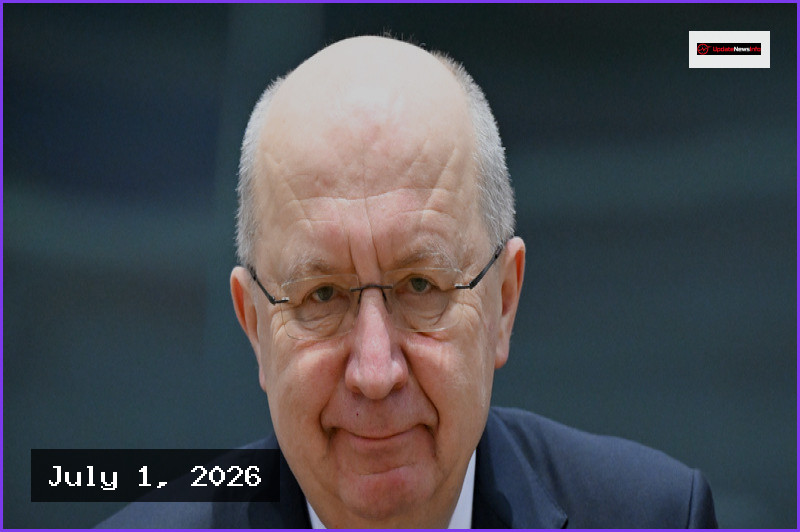
Amidst the continent’s most severe security challenges in recent decades, EU defence commissioner Andrius Kubilius has highlighted the critical importance of defense industrial capacity and support for Ukraine. As the first-ever EU commissioner for defence, Kubilius, who previously served as the prime minister of Lithuania, described his new role as a complex and demanding experience. He noted that the Baltic states, due to their proximity, remain well-prepared to identify and respond to evolving security threats.
Addressing the current state of the conflict, Kubilius pointed to a significant shift in momentum, particularly following recent successful Ukrainian drone strikes on major targets within Russia. He referenced the sentiments expressed at a recent G7 meeting, emphasizing that these actions reflect a broader positive trend on the battlefield. The commissioner specifically praised the Ukrainian government’s commitment to technological innovation, noting that their efforts in digital transformation and drone warfare have created a “cognitive offensive” that is causing substantial logistical difficulties for Russian forces.
Kubilius cautioned against complacency, stating that while the Russian military has faced setbacks, it remains a significant threat. He highlighted that intelligence services have warned of potential future aggression against NATO and EU members. Supporting the assessments of U.S. Secretary of State Marco Rubio and Finnish President Alexander Stubb, Kubilius identified the Ukrainian military as the most effective in Europe. He argued that it is now a vital security interest for the European Union to integrate Ukraine’s innovative, dynamic defence industry with its own capabilities as quickly as possible.
The commissioner emphasized that the struggle for public perception is a key element of the ongoing war, and that Ukraine’s successes are sending a powerful message globally. As Europe considers the future of its own defenses, Kubilius maintains that learning from the battlefield experience of Ukrainian forces remains essential for long-term regional stability.