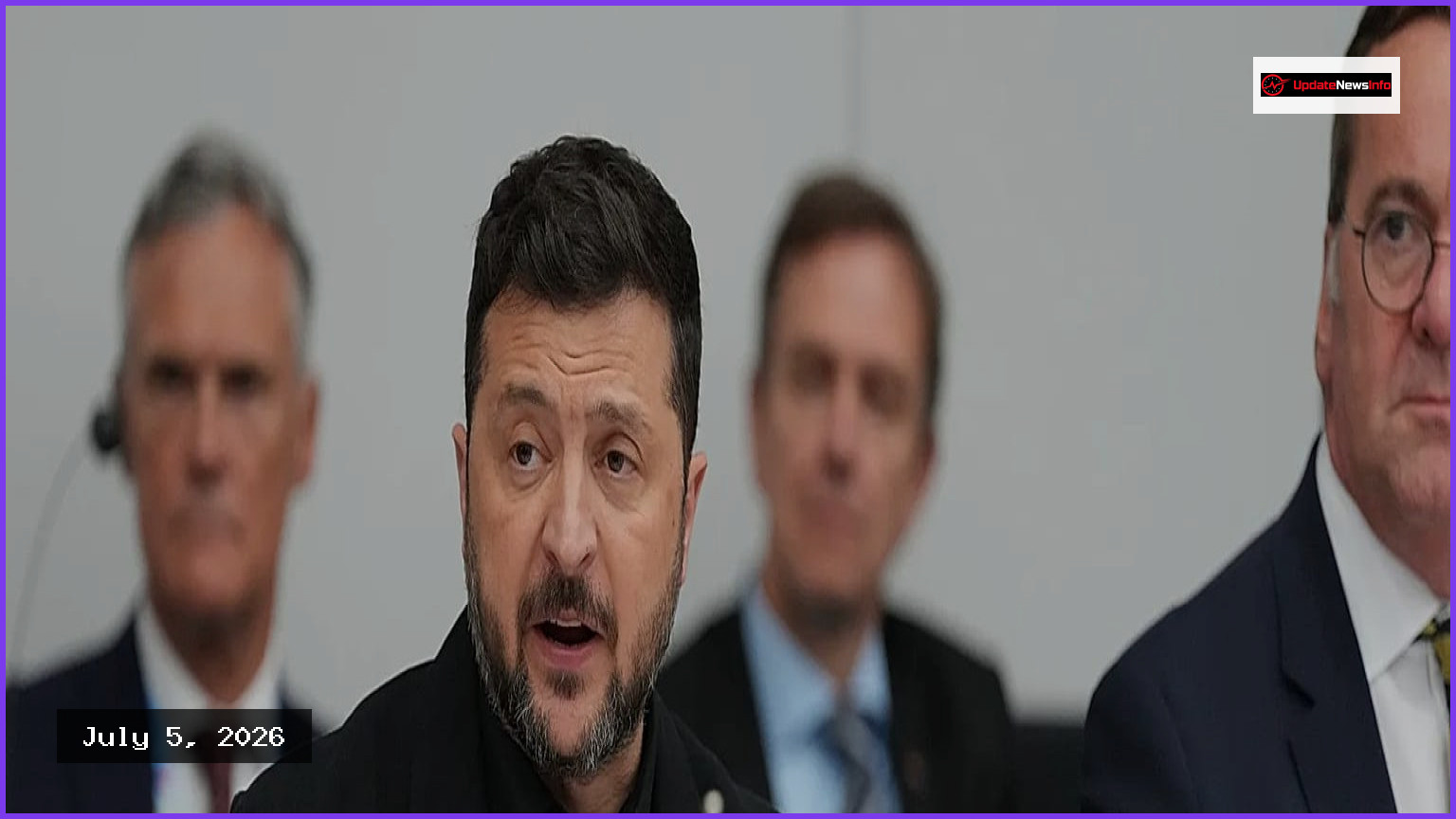
US President Donald Trump held separate telephone conversations with Ukrainian President Volodymyr Zelenskyy and Russian President Vladimir Putin on Saturday, marking the US Fourth of July holiday. Both Kyiv and Moscow confirmed the discussions took place during the American celebrations.
President Zelenskyy described his conversation with Trump as a “very good phone call.” During the exchange, the Ukrainian leader offered congratulations on the 250th anniversary of the United States and discussed the current status of the war on the front lines. Zelenskyy noted that there is a “real prospect” for ending the conflict, adding that he and Trump agreed to continue their dialogue during the upcoming NATO Summit in Ankara, scheduled for July 7 to 8.
The relationship between Trump and Zelenskyy has fluctuated since the US President’s return to the White House, notably following a tense meeting in the Oval Office in early 2025. However, Trump recently spoke positively of the Ukrainian leader, describing him as “courageous” and noting his progress in the war.
The Kremlin also confirmed a call between President Putin and Trump. Presidential aide Yuri Ushakov stated that the conversation lasted one hour and twenty-five minutes and included birthday greetings from Putin. Ushakov added that the leaders touched upon the situation in Ukraine, specifically regarding Trump’s planned attendance at the Turkey summit. According to the Kremlin, Trump reaffirmed his willingness to facilitate a swift end to hostilities and pursue peaceful solutions to the crisis.
The diplomatic activity follows a week of intensified violence, including a major Russian strike on Kyiv that resulted in at least 30 deaths and numerous injuries, as well as Ukrainian strikes on oil infrastructure near Saint Petersburg on Friday.
The upcoming summit in Turkey remains a point of focus, as European allies look to ease tensions with Trump over defense spending and regional security. US Secretary of Defence Pete Hegseth, speaking from Brussels in June, emphasized the need for a “NATO 3.0” approach, calling for Europe to take the lead in establishing a robust military alliance capable of conventional defense on the continent.