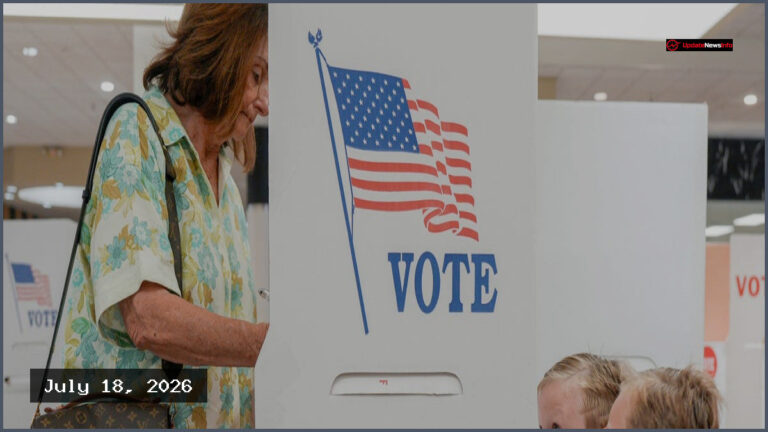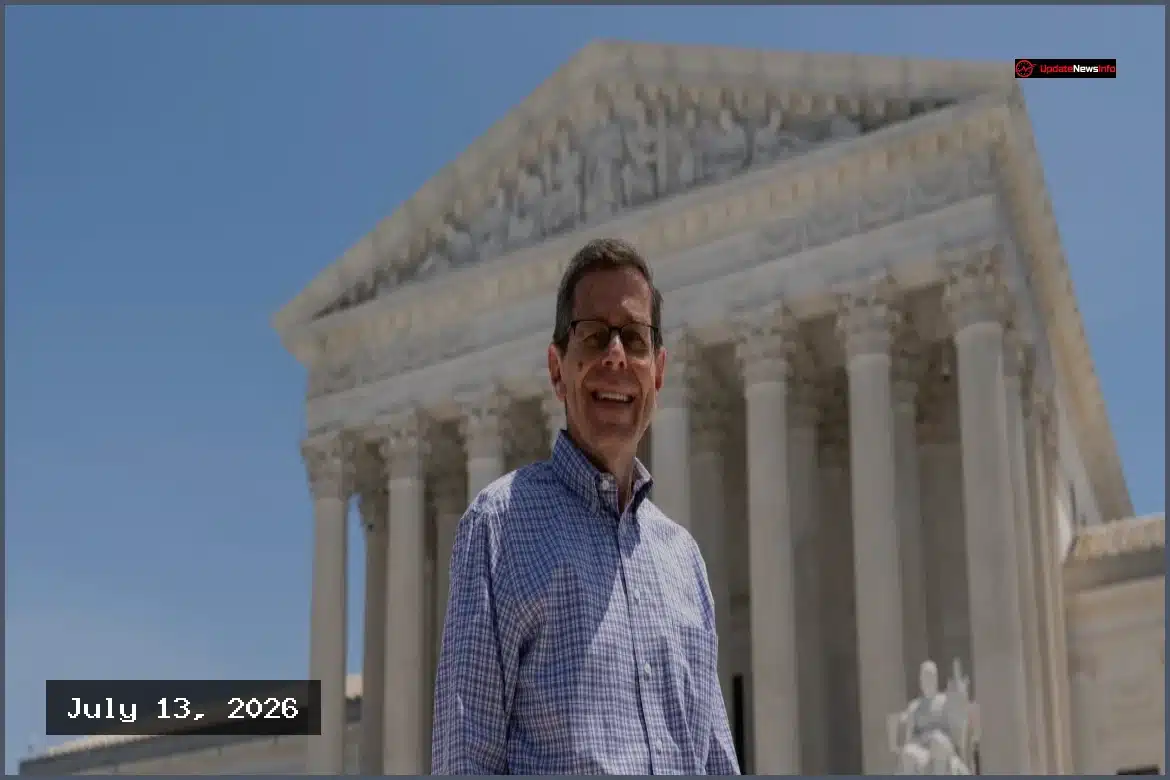
The U.S. Supreme Court has recently navigated a series of high-stakes legal challenges, issuing rulings that have touched upon immigration policy, the integrity of federal elections, and the scope of executive power. Among the key decisions, the Court upheld birthright citizenship, effectively rejecting proposed limitations that had been pushed by the Trump administration. In the realm of electoral politics, the justices struck down existing limits on party spending in federal elections, a move that favored a Republican-led appeal. Furthermore, the Court has agreed to weigh a separate Republican-backed appeal regarding the enforcement of Arizona voting laws.
The judiciary also addressed procedural aspects of voting, granting a reprieve to states that utilize grace periods for the receipt of mail-in ballots and rejecting a challenge led by Donald Trump that sought to prevent states from counting late-arriving mailed ballots. In other developments, the Court affirmed that constitutional privacy protections extend to the location history of cellphone users. Regarding administrative matters, the Court ruled that Federal Reserve Governor Lisa Cook may remain in her position for the time being, even as it upheld other firings initiated during the Trump administration.
Social and educational policies were also subject to the Court's scrutiny, as the justices upheld state laws that prohibit transgender girls and women from participating in school athletic teams. Meanwhile, the Court declined to intervene in the case involving E. Jean Carroll, rejecting a push by Donald Trump to overturn a $5 million verdict related to sexual abuse allegations. As the term draws to a close, the Court continues to deliberate on significant cases concerning the extent of presidential power, reflecting a broader trend where the institution remains a pivotal force in shaping the nation's legal and political landscape.