France’s foreign minister, Jean-Noel Barrot, announced on Monday that the Russian ambassador in Paris will be summoned to address what he described as a vast cyber campaign targeting nations across Europe. During an interview with BFMTV/RMC, Barrot stated that France is moving to impose sanctions on nine individuals and four entities identified as being responsible for these operations, which he noted were orchestrated by the FSB, Russia’s primary national intelligence and security service.
This diplomatic move follows similar announcements from the European Union and the United Kingdom. Barrot emphasized that the Russian attacks targeted various government ministries, private companies, and service operators as part of a broader effort to conduct espionage and sabotage within at least a dozen European countries. According to the minister, the primary objectives of these campaigns included gathering intelligence or physically sabotaging critical infrastructure, such as the rail system in Poland.
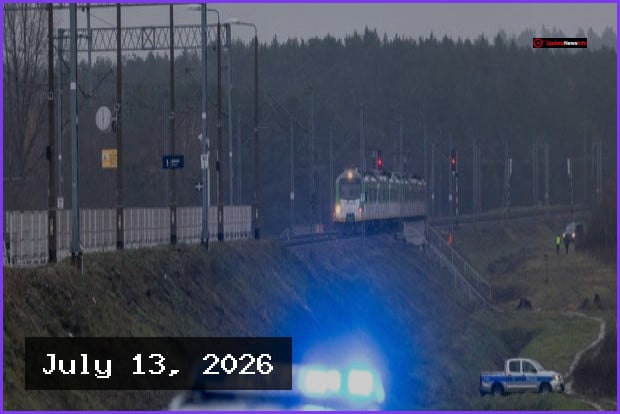
The incident in Poland, which occurred in November of last year, led the country's top diplomat to label the event an act of state terror after two Ukrainian nationals allegedly working with Russian intelligence services were accused of detonating a railway line. France has maintained that it has successfully detected these recent attacks, citing a significant strengthening of its national cyber defenses.
The European Union also issued a formal condemnation on Monday, denouncing what it termed Russia's malicious cyber ecosystem. The bloc accused the FSB of managing an array of threat groups, including intelligence services, cybercriminals, hacktivists, and private companies, to infiltrate government networks and disrupt critical infrastructure. Affected nations include France, Germany, Poland, Cyprus, the Netherlands, Austria, Slovakia, Romania, and Finland, all of which have suffered financial losses and operational disruptions.
As part of the coordinated response, the EU is sanctioning nine individuals and four entities, including officers from the Russian military intelligence agency, the GRU, as well as various private actors. Simultaneously, the U.K. government confirmed it is sanctioning 24 individuals and entities for hybrid and cyber operations. This includes an alleged FSB plot to strike Poland's energy grid in December 2025, which the U.K. claims could have left 500,000 civilians without power.
These developments coincide with a Paris summit of the “Coalition of the Willing,” a group of Ukraine's allies. Kremlin spokesman Dmitry Peskov responded to the gathering by labeling the participants a “coalition of warmongers,” adding that Russia would be monitoring their actions closely. The current climate of tension follows earlier warnings from nations including Sweden, Norway, Denmark, and Latvia regarding Russian threats to critical infrastructure, alongside frequent reports of drone sightings near European military bases and incursions into NATO airspace by Russian warplanes. Many Western allies have characterized these events as an escalation of hybrid warfare, placing Europe in a precarious gray zone between peace and conflict.