Germany may not be the first country that comes to mind when planning a surf trip, as many residents typically look toward Portugal, Spain, or western France for their summer wave-riding adventures. However, there is no need to leave the country to find quality surf. Germany offers a variety of spots suitable for everyone from novices to experienced surfers, provided they are prepared to handle the colder water temperatures common in the region.
For those seeking a classic beach experience, the North Frisian island of Sylt is a premier destination. Long favored by the German elite, the island features several beaches that have drawn surfers for years, including Samoa, Westerland, and Bühne 16. The latter is particularly well-known for hosting an annual longboard festival, which typically takes place in early September.
While the peak surf season occurs during the chilly fall and winter months—when stronger winds and more consistent swells are common—the summer months offer milder waves and warmer air, making it an ideal time for beginners to try the sport for the first time.
Other coastal options include spots near Kiel, such as Hohwachter Bucht or Damp 2000, which are located within a couple of hours' drive from Hamburg. Moving along the coast toward Lübeck, surfers can also find waves on Fehmarn Island and at the nearby beaches of Weissenhäuser or Pelzerhaken. According to the Surf Camps Europe website, the Baltic Sea is generally colder than the North Sea, and conditions can be inconsistent, with winds sometimes creating choppy but powerless waves.
However, when the wind conditions are favorable, the region provides surfable swells that are more accessible for those traveling from eastern cities like Berlin. Regardless of the coastal destination, surfers are advised to wear at least a 4/3 wetsuit.
Perhaps the most famous surf spot in Germany is not on the coast at all, but rather the Eisbachwelle in Munich. This stationary river wave is recognized as one of the best-known of its kind in the world. Daring surfers have been riding the wave for decades, reportedly starting with self-made boards and tow ropes, though the city has only officially tolerated the activity at the surfers' own risk since 2010.
The wave is 12 metres wide and usually about one metre high, but the water moves very quickly, meaning only experienced river surfers should attempt to drop in. Beginners looking for practice can head downstream to the smaller wave at the Raft Landing, or Floßlände.
The popularity of the Eisbachwelle has inspired other German cities to develop their own river waves. In 2022, Nuremberg opened the Fuchslochwelle on the Pegnitz river, located about five kilometres from the city centre. This wave is controlled by a dammed weir, allowing the height to be adjusted based on water levels, and it is generally considered suitable for beginners.
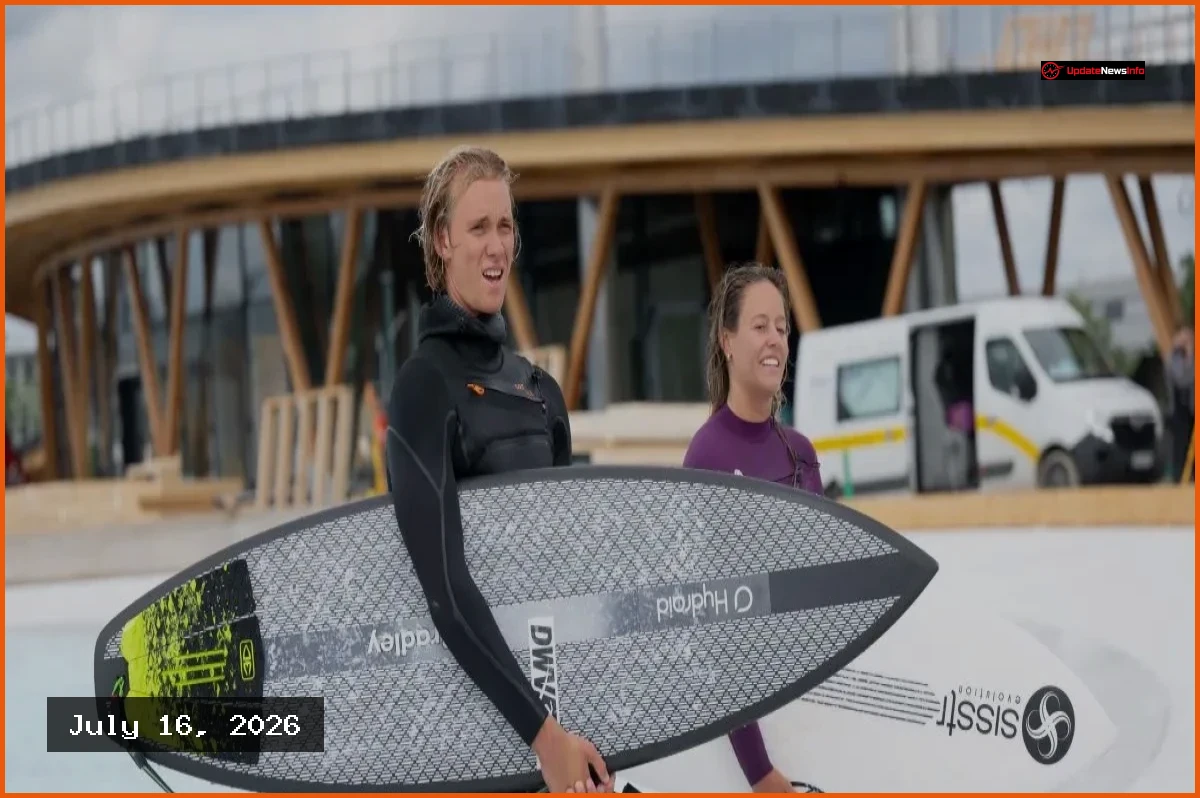
For those who prefer a more controlled environment, indoor surfing halls with artificial waves are available, such as the Jochen Schweizer facility near Munich and Gezeitland in Borkum.
Additionally, Langenfeld features the world’s first stationary wave on a lake, where visitors can book lessons or drop-in sessions, including night surfing. In 2024, a new outdoor wave pool facility called Surftown also opened in Munich.
Beyond traditional wave surfing, Germany offers plenty of opportunities for windsurfing and stand-up paddleboarding (SUP). The northern coast is the primary hub for windsurfing, particularly on the island of Rügen, at beaches near Lübeck or Kiel, and on the island of Sylt. Those interested in windsurfing can look to the favorite spots of German world champion Philip Köster for guidance.
For those who prefer the more relaxed pace of stand-up paddleboarding, rentals are available at river and lakeside locations across the country; searching for 'SUP Verleih' is the best way to find a local provider.
Berliners who are members of the Urban Sports Club can even secure a free hour of rental at the Stand Up Club on the Spree near Funkhaus. Other popular SUP locations include sections of the Rhine River and various lakes, such as Chiemsee, Titisee, and Steinhuder Meer.
The country may not be known as a surf destination, but that doesn't stop sporty Germans from hanging ten.
Note that to surf either in the Baltic or North Seas you’ll want at least a 4/3 wetsuit.