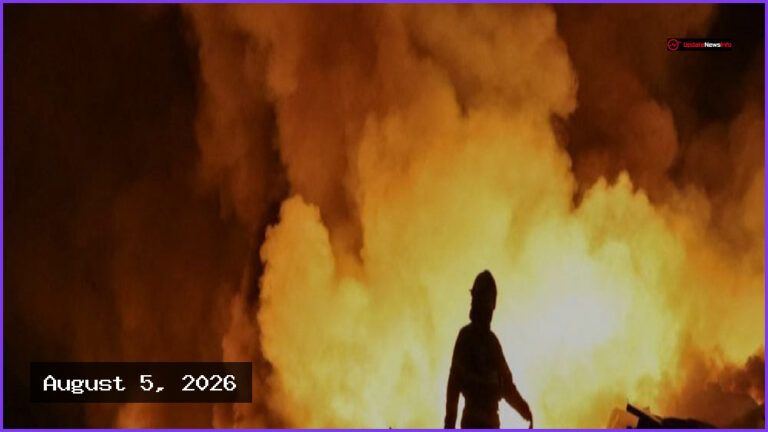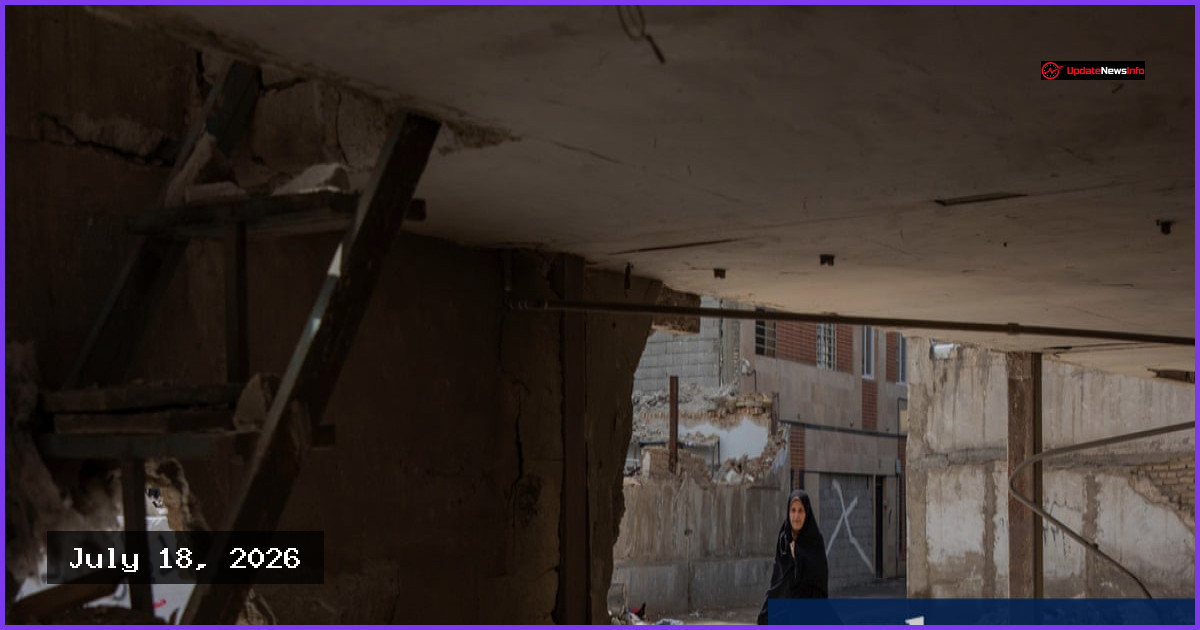
Less than a month after hailing a ceasefire as a necessary step to avert an economic crisis comparable to the Great Depression, Donald Trump has resumed military strikes against Iranian infrastructure and military targets. This shift follows the collapse of a memorandum of understanding (MoU) signed in the Palace of Versailles on 17 June, which Trump concluded was dead in the water. In retaliation, Iran has launched drone and missile strikes against US allies in the Gulf. The original MoU had faced intense criticism from the neoconservative wing of the Republican party, who denounced the agreement as a capitulation to Iran.
With the midterm elections less than four months away and Democrats seeking to recapture both houses of Congress, Trump appears to be flirting with electoral disaster by re-stoking a war that is already deeply unpopular with voters, particularly due to its inflationary impact on fuel and living costs. Curt Mills, executive editor of the American Conservative, stated, "I think it’s a total loser. It’s evidence that Trump doesn’t really care about the midterms. He’s like Icarus with the sun with this stuff – it seems to be a personal vendetta with the Iranians."
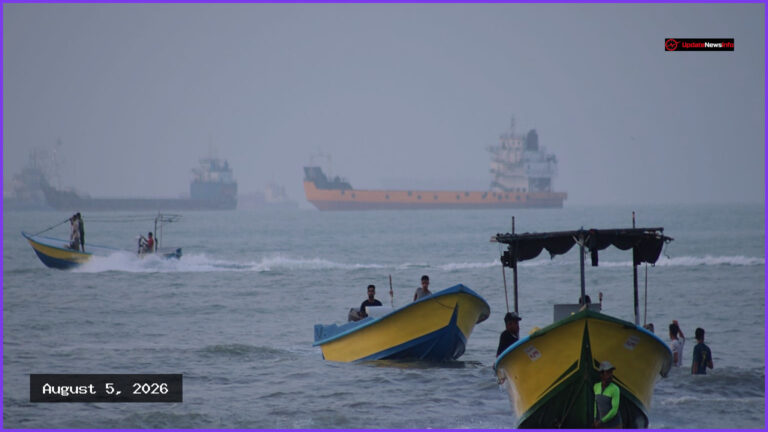
Experts warn that this escalation could lead to a land invasion, potentially trapping the US in the kind of "forever wars" Trump previously condemned. Nate Swanson, a former State Department and White House adviser on Iran, noted that while he initially viewed the violence as cyclical, the current escalation has exceeded his expectations. He described the move as a risky effort to re-establish leverage that is likely to fail. The conflict centers on the Strait of Hormuz, a vital waterway that handled 20% of global energy exports before the war began on 28 February. Tehran has used the strait as a bargaining chip to resist pressure regarding its nuclear program and support for proxies like Hezbollah.
The failed MoU was intended to pave the way for a 60-day ceasefire and nuclear negotiations. Under the agreement, Iran would have reopened the strait—which it closed in response to US and Israeli attacks, driving up oil prices—in exchange for significant sanctions relief, including the right to sell oil internationally and the unfreezing of billions of dollars in assets. Iran had fired on commercial vessels belonging to neighboring Gulf kingdoms after they utilized a shipping lane near the shores of neutral Oman, protected by the US Navy, rather than routes off the Iranian coast where Tehran previously charged "service" fees.
Some analysts blamed the collapse on poor US negotiating, suggesting that ambiguities in the MoU regarding shipping lanes led to misunderstandings. However, Vali Nasr, a professor at Johns Hopkins School of Advanced International Studies, argued that the collapse was a result of deliberate miscalculation. Nasr pointed to comments by US Vice President JD Vance suggesting the MoU was signed to replenish strategic oil reserves while weakening Iran's hand. "The MoU was mainly a breather for Trump to try to get what he wants, which is to get control of the strait or take it away from Iran," Nasr said. He added, "Trump may have overestimated what he can do militarily, and again falls short. The Iranians are also overestimating how much they can resist. This is something neither side knows."
The risk of miscalculation is exacerbated by a lack of Iran specialists in the administration. Swanson, who reported being forced out of his State Department post following a critical tweet from rightwing influencer Laura Loomer, blamed Secretary of State Marco Rubio for removing key personnel. Instead, Trump relies on a team including chief envoy Steve Witkoff, Jared Kushner, and Vance. As Iran continues to target US Gulf allies like the UAE, Qatar, and Oman—whom the regime labels as "collaborators"—analysts warn of a potential five- or 10-year conflict. Retired US General Joseph Votel, former head of US Central Command, noted that while offensive military operations are one path, the situation requires strategic patience and diplomacy, including outreach to Nato allies. "We’re seeing a sustained tit for tat over military operations. We strike, they strike. That leads me to conclude that this is going to take probably weeks to months," Votel said.