Tamara Harvey’s new production of Anton Chekhov’s final play, The Cherry Orchard, currently running at the Swan Theatre in Stratford-Upon-Avon, has been met with criticism for its perceived lack of dramatic force. Despite featuring a high-profile cast, the production is described as feeling woolly in its meaning, with a soft-edged tone that mutes the play's inherent tension and stinging losses.
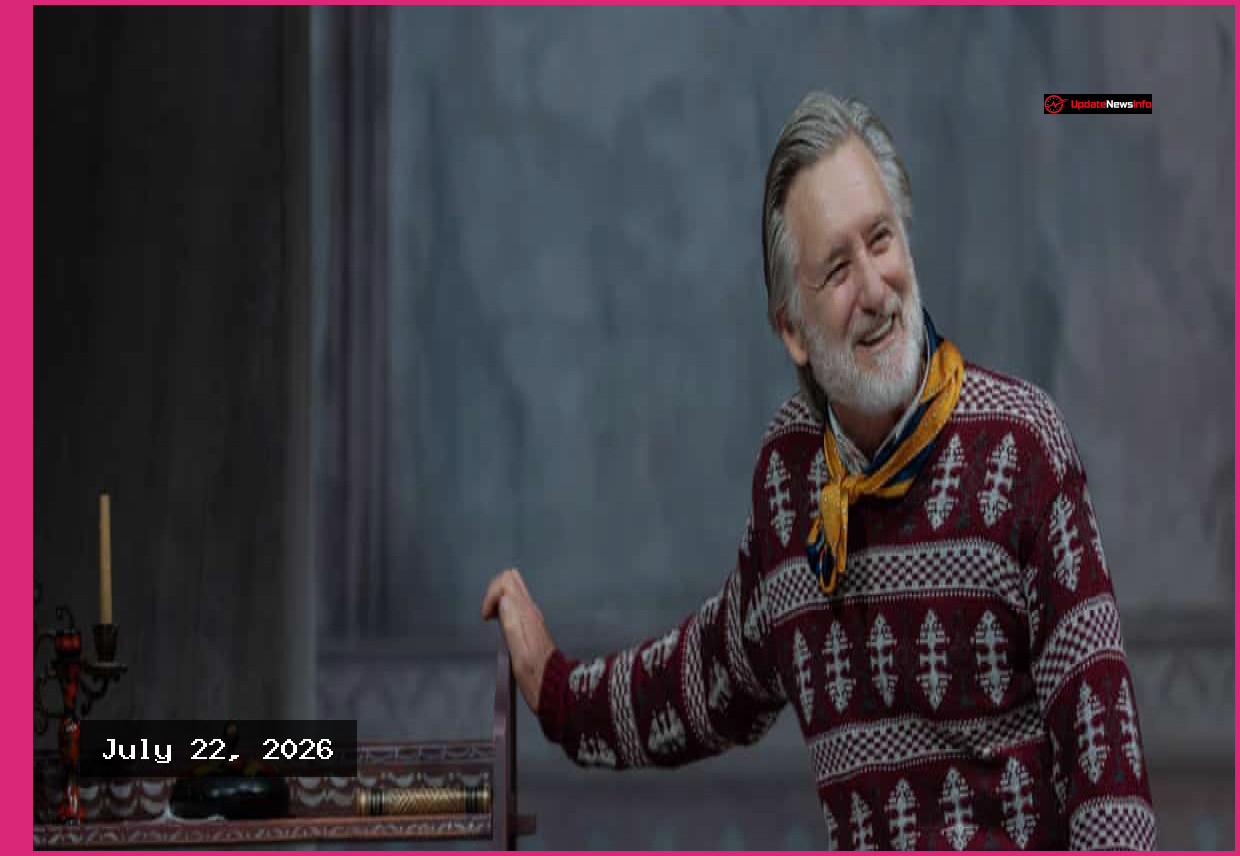
The production features a star-studded ensemble, including Helen Hunt as the aristocratic matriarch Madame Ranyevskaya and Bill Pullman as her brother, Gaev. Kenneth Branagh, who recently appeared in the Royal Shakespeare Company’s The Tempest, takes on the role of Lopakhin, the shopkeeper’s son who ultimately acquires the family estate. Laura Wade’s new version of the script, based on a translation by Helen Rappaport, is characterized as an updating of language rather than a radical reimagining. The production features a mix of American accents for the two aristocratic siblings, while Lopakhin and the servant Yasha, played by Julian Moore-Cook, speak in Northern Irish accents. Critics have noted that the reasoning behind these accent choices remains unclear, contributing to the overall sense of ambiguity in the staging.
While Chekhov intended the work to include farcical elements, and Harvey does highlight these moments—particularly through Michael Elwyn’s performance as the doddering manservant Firs—the production struggles to maintain a consistent emotional center. Hunt’s portrayal of Ranyevskaya is described as somewhat featureless, failing to convey the complex grief and entitlement of the character. Conversely, Pullman provides moments of charm and comic charisma, though his role is noted to be relatively minor. Esther Smith, playing Ranyevskaya’s adopted daughter Varya, manages to develop some emotional depth in her yearning for a marriage proposal from Lopakhin.
Branagh’s performance as Lopakhin is generally amenable, though it lacks the sharp-pronged anger seen in other recent interpretations. While his revelation of ownership following the estate’s auction serves as the production's most arresting moment, the intensity of this outburst quickly fades back into a neutral, benign tone. Similarly, Alfred Enoch’s portrayal of the socialist student Trofimov is described as a likable prig, failing to resonate as a significant political force. The production is also criticized for a lack of Chekhovian ennui, with too much bustling on stage preventing the necessary sense of languor.
The set design by Anna Fleischle utilizes faded grandeur, featuring lace-covered furniture and chandeliers, with bare branches representing the cherry orchard itself. The sound design is considered subtle and effective, incorporating birdsong and the industrial grinding of trees. However, these atmospheric elements do not ultimately compensate for the lack of emotional resonance in this staging of the 1903 classic.
But for such a starry cast Tamara Harvey’s production has a disappointing lack of sparkle. You do not feel the story’s charge, its complications around love and its stinging losses. The tone is too soft-edged, almost endearing, and the cast such an ensemble that there is no magnetic centre to hold you.
Like Branagh’s good-natured, sometimes joshing Prospero, his Lopakhin is amenable, lacking the sharp-pronged anger of Adeel Akhtar’s in Benedict Andrews’ astonishing version of the play at the Donmar Warehouse two years ago. When his class rage comes, after the auctioning of the estate, when he reveals that he is its owner, it is the most arresting moment of the night. But the drunken outburst melts away as abruptly after this scene, back to benign neutrality.