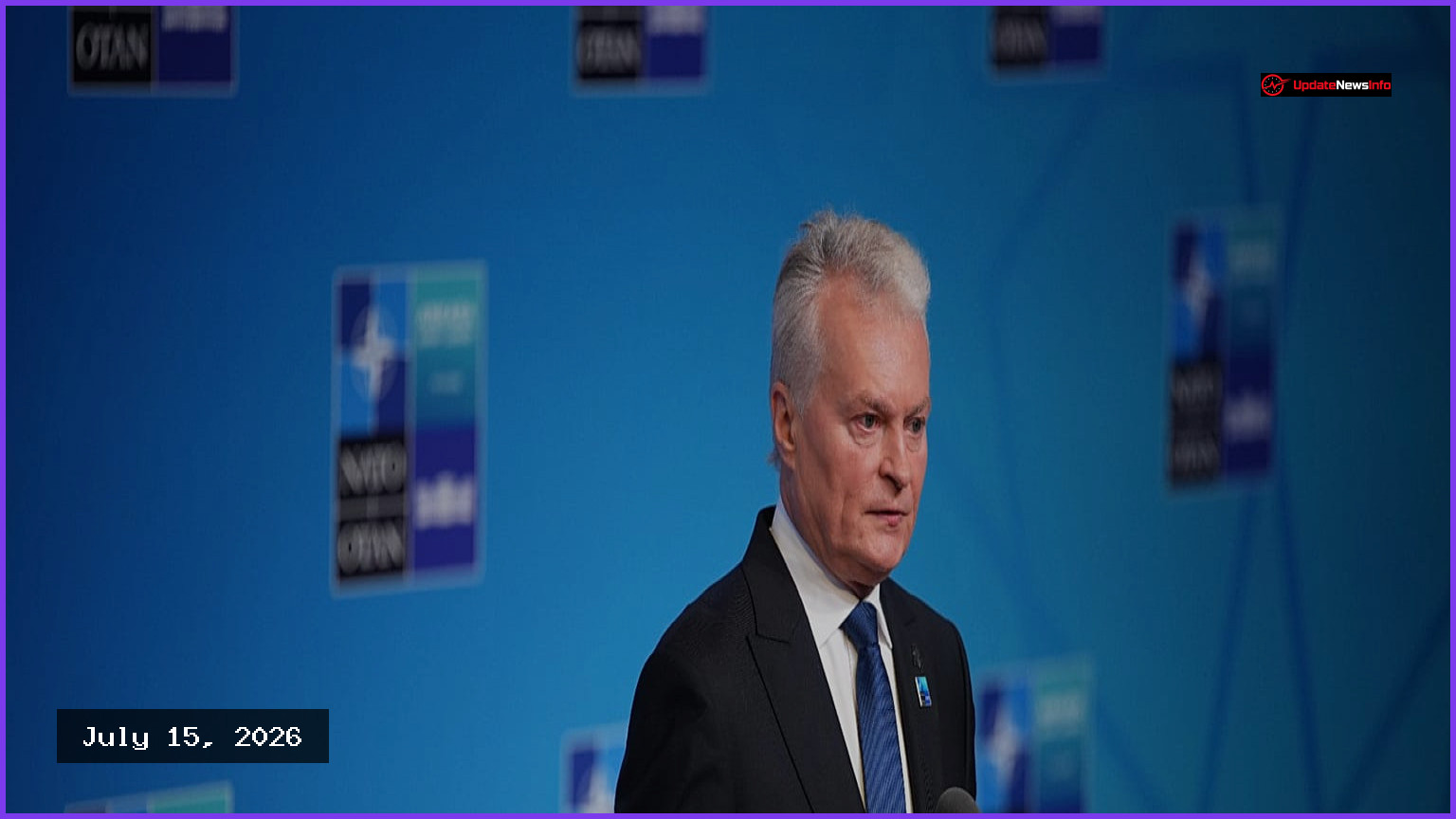
The presidents of Lithuania and Latvia issued a stern warning on Wednesday, reporting that intelligence suggests Russia is actively planning attacks on critical infrastructure within the Baltic states and Poland. Lithuanian President Gitanas Nauseda, speaking at a joint press conference in Vilnius alongside Latvian President Edgars Rinkevics, identified energy and transport facilities as the primary targets. Nauseda stated that damage to these sites could severely disrupt the functionality of the entire energy system, adding that this planning is being orchestrated at the highest levels in Moscow.
President Rinkevics emphasized that NATO and EU member states—specifically Estonia, Latvia, Lithuania, and Poland—must remain vigilant against potential Russian provocations aimed at testing the alliance's mutual defense pact. He noted that Russia might indirectly challenge Article 5 and existing response mechanisms even in the absence of a total Ukrainian victory. These concerns echo recent comments from Polish Prime Minister Donald Tusk, who in late June described the regional climate as very unstable and warned that various forms of escalation could occur in the coming months.
Regional officials have previously linked Russia to a series of disruptive incidents, including cyberattacks, arson, and diversions on railway lines. In response to the heightened threat level, the Lithuanian government has moved to strengthen the protection of its transport and energy networks. Lithuania, which maintains a border with Russia and its ally Belarus, has been a staunch supporter of Ukraine since the 2022 invasion and currently stands as NATO's highest security spender relative to its GDP, allocating 5.33% to defense.
The Kremlin has dismissed these allegations. Dmitry Peskov, the Kremlin spokesman, characterized the warnings as a fresh batch of scare stories intended to further the brainwashing of the public and encourage additional militarization.