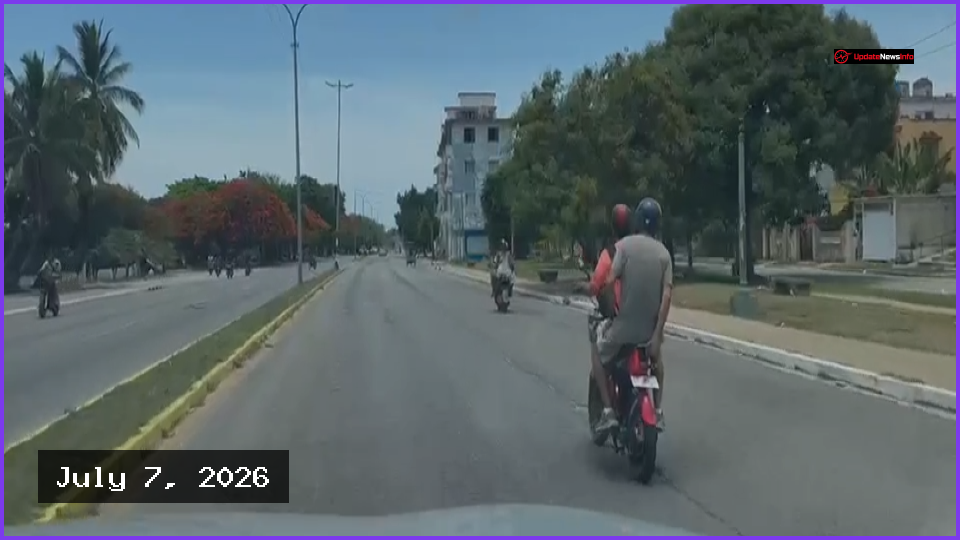
Cuba experienced a total collapse of its national electrical grid on Monday, marking the latest incident in a persistent energy crisis that has plagued the island for years. The country’s grid operator is currently investigating the cause of the failure, while the energy ministry confirmed the nationwide blackout.
Energy Minister Vicente de la O Levy stated that officials are working to restore power and have activated emergency “microsystems” designed to provide electricity to vital services. The island has endured multiple nationwide blackouts over recent years as its aging infrastructure struggles to keep pace with demand, with at least two total system failures occurring within a single week this past March.
The power crisis has intensified this year as the United States has successfully pressured major oil suppliers to halt shipments to the island. Cuban President Miguel Díaz-Canel addressed the situation on X, accusing Washington of attempting to trigger “a social explosion through asphyxiation” by blocking necessary fuel imports. The ongoing energy crunch has severely impacted essential sectors, including medicine, transportation, and education.
While the US government maintains that its economic pressure is intended to encourage the Cuban government to open its political system and permit foreign investment, Cuban officials strongly reject these measures. Oscar Pérez-Oliva Fraga, Cuba’s Minister of Foreign Trade and Investment, characterized the US actions as collective punishment, stating that the situation facing the Cuban people constitutes “a genocide.”
Tensions remain high despite recent diplomatic engagement. Last month, the Cuban National Assembly introduced economic reforms, though a US State Department spokesperson dismissed the move as “superficial smoke signals.” In recent weeks, US and Cuban officials have held talks, including meetings between CIA Director John Ratcliffe and Cuban intelligence chiefs, as well as discussions between the commander of US Southern Command and senior Cuban military officials near Guantanamo Bay. The US has also accused Cuba of hosting Russian and Chinese listening posts, an allegation that Havana consistently denies.
The island’s energy crunch has strained essential services, including education, transportation and medicine. Fresh sanctions by the US have also further deteriorated the Cuban economy and prevented many tourists from visiting the island.
Scan the QR code to download the CNN app from the Apple Store.