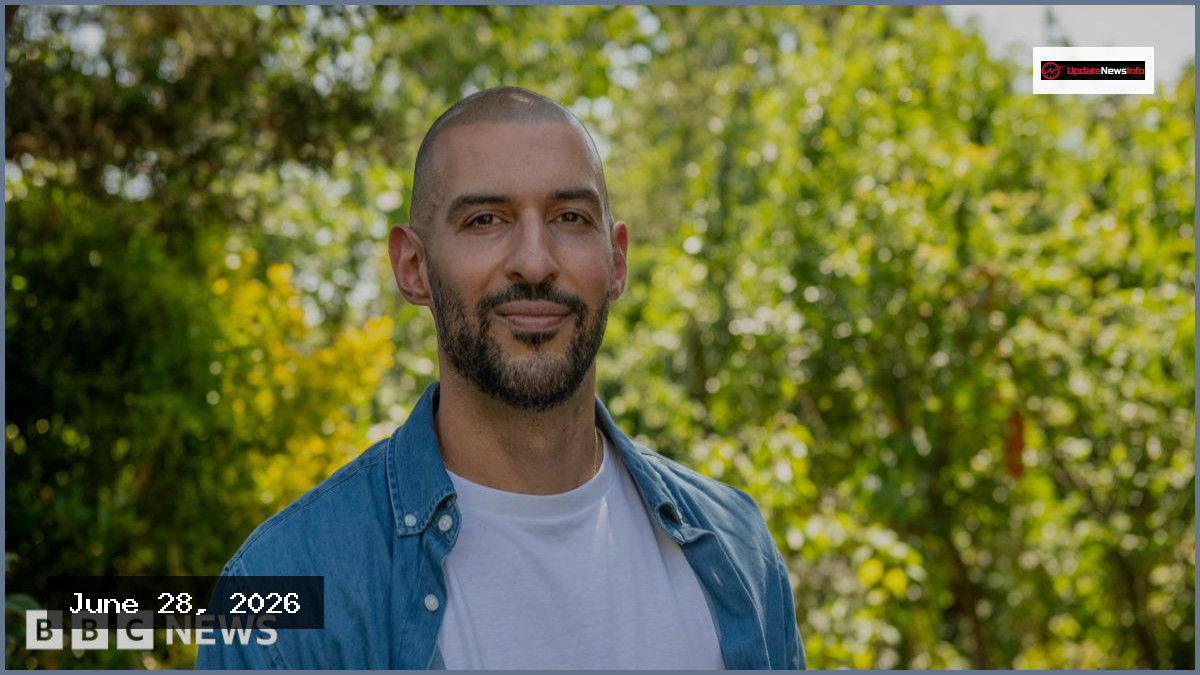
Marios, a personal trainer, often feels an overwhelming urge to check his phone, describing the sensation as akin to carrying a drug dealer in his pocket. On difficult days, he spends upwards of 14 hours staring at his screen, with platforms like Instagram serving as a major trigger. To combat this compulsion, which he attributes to underlying feelings of loneliness, he has committed to a 12-session course of private therapy.
While smartphone addiction is not currently recognized as an official clinical condition, the scale of the issue is significant. A recent Deloitte survey of 1,000 adults revealed that 70% of participants feel they spend excessive time on their devices. Furthermore, UK Addiction Treatment Centres (UKAT) reported that one in three clients seeking help for primary addictions, such as drugs, now also struggle with secondary phone dependency—a figure that has risen from one in 10 in 2019. Some individuals have even abandoned primary treatment programs because they were unwilling to surrender their devices upon entering clinics.
At the Steps Together rehab centre at Rainford Hall in St Helens, Merseyside, therapists are observing a surge in patients requiring assistance for digital dependency. Lead therapist Kelly Watson notes that the condition is universal, affecting people from all backgrounds. The behavior is linked to the brain’s reward circuitry; notifications, likes, or new information trigger the release of dopamine, creating a loop that can consume vast amounts of a person’s time.
James, a 48-year-old currently undergoing treatment at a separate Steps Together location in Leicester, initially entered care for alcohol dependency, but it quickly became clear his digital habits were also spiraling out of control. After losing his job, he spent his days fixated on social media and news feeds, often waking in the middle of the night to check for interactions. He described the experience as feeling like his soul was being drained, yet he felt unable to stop.
For those admitted to residential facilities, the process often involves 28 days of intensive group and one-to-one therapy. Watson explains that clients often arrive feeling fearful, viewing their phones as a safe place they need for work or family connection. The goal of the treatment is to slowly break this dependency by encouraging patients to process the feelings they experience when they are not plugged into the digital world.
Beyond residential clinics, global peer-support groups like Internet and Technology Addicts Anonymous (ITAA) offer another path to recovery. Jenny, a 30-year-old member, shared that her addiction was once so severe she would skip meals and sleep to stay online. She eventually reached a point where she had to ask family members to lock her devices away to prevent relapses. After following a 12-step program, she has remained free from excessive streaming for five years. Similarly, another member named Tom reported that his digital habits led to the loss of his business, but he has since reclaimed his sense of purpose through activities like the gym and playing pickleball.
Psychotherapist Hilda Burke, author of the Phone Addiction Workbook, advises those concerned about their screen time to analyze the emotional triggers behind their behavior. She suggests replacing the urge to scroll with healthier alternatives like calling a friend or going for a walk, while also avoiding self-blame. While mobile operating systems now offer built-in tools to track and limit app usage, Marios remains focused on his recovery. He continues his therapy and works on his Spanish, noting that while he still reaches for his phone out of habit, he is finding more joy in his daily life as he regains control.