Europe is experiencing a fundamental shift in how droughts form, with new scientific research indicating that scorching summer heat—rather than a simple shortage of rain—has become the primary driver of the continent’s water crisis. An international collaboration of climate scientists from 12 countries, working under the banner of World Weather Attribution (WWA), has concluded that the atmosphere is currently evaporating water from the soil and rivers at an accelerated rate. This process is occurring significantly faster than it would in a world without the influence of climate change.
The real-world consequences of this trend are already severe and costly. France is currently bracing for its worst maize harvest in 50 years, while Romania has reported the loss of more than one million hectares of crops. Across the continent, rivers are running so low that critical shipping lanes have been disrupted, and energy production is facing significant strain. These developments are threatening to drive up the price of essential household items, a financial burden that falls most heavily on low-income households.
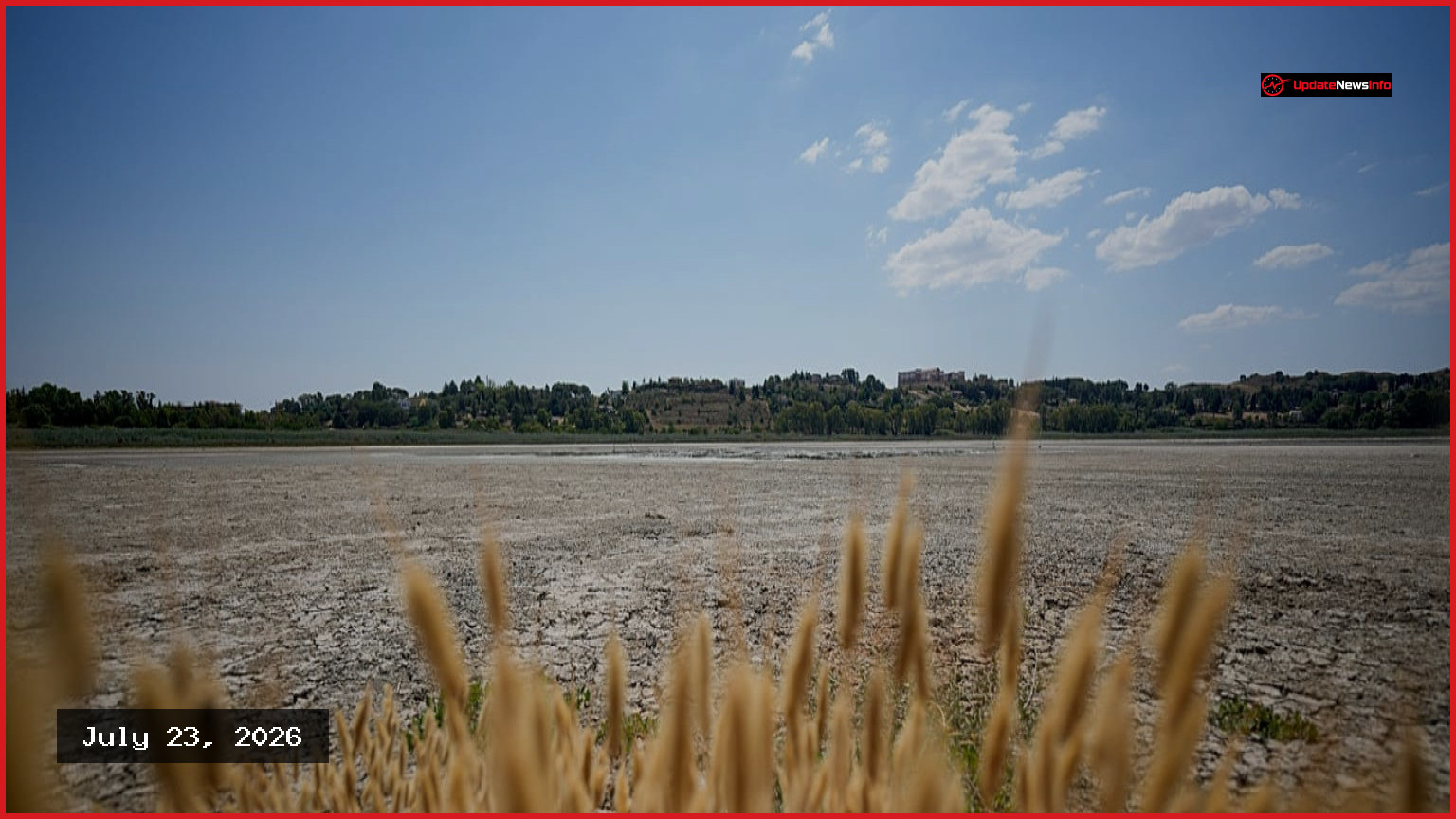
According to the WWA study, while long-term rainfall patterns across Europe remain mixed, extreme heat is now the dominant force turning ordinary dry spells into severe droughts. The research found that agricultural soil droughts in Western Europe are now five times more likely due to climate change. In Eastern Europe, where dry conditions have persisted for six months, such soil droughts are 11 times more likely. Researchers determined that in Western Europe, heatwaves capable of driving these intense evaporative conditions are now around 80 times more likely to occur than in a world without climate change, while in Eastern Europe, they are around 40 times more likely.
Dr. Sarah Kew, a climate scientist at the Royal Netherlands Meteorological Institute (KNMI), noted that Europe’s climate is shifting rapidly. She explained that while rain patterns remain mixed, the findings show that extreme heat is taking over as the primary driver of drought. She added that water supplies are evaporating out of soils and rivers faster than would happen otherwise, turning manageable dry spells into severe droughts. Dr. Dominik Schumacher, from the Institute for Atmospheric and Climate Science at ETH Zurich, highlighted that this pattern marks a fundamental shift in how droughts form. Despite more wintertime rainfall across most of Europe, there is now an enhanced tendency for unusual soil drying to begin as early as spring, before summer has even started. He noted that as temperatures climb, the atmosphere’s thirst increases quickly, sucking moisture out of rivers, lakes, reservoirs, and the soil, effectively preventing rain from staying in the ground.
The impact of these conditions extends far beyond the agricultural sector. Merel Laauwen of Wageningen University & Research in the Netherlands warned that this is not just a crisis for farmers, but one that trickles down to the most vulnerable populations. She pointed out that crop losses, low river levels, and water use restrictions threaten to drive up the price of basics like food and energy. Furthermore, she noted that although science indicates more frequent and intense droughts are ahead, drought management plans are not yet mandated by the EU, leading to inconsistent preparedness across European countries.
Looking ahead, experts warn that drought conditions could become the new normal as temperatures rise. Dr. Mariam Zachariah of the Centre for Environmental Policy at Imperial College London noted that these conditions are currently occurring at 1.4°C of warming. She warned that if global emissions push temperatures up to 2.8°C as predicted, these intense evaporative conditions could double in likelihood, turning current droughts into regular occurrences. She cautioned that scorching, dry summers will become a yearly event in Europe without swift action.
Simon Stiell, executive secretary of UN Climate Change, described the worsening droughts as an "unignorable red alert" that the planet is overheating. He warned that until humanity stops burning large amounts of coal, oil, and gas, these brutal, climate-driven droughts will only become more severe and costly for households and economies. However, he emphasized that the solutions remain clear: moving much faster to renewable energy, which is now cheaper than polluting fossil fuels, electrifying economies, and investing in resilience to better protect communities and businesses.