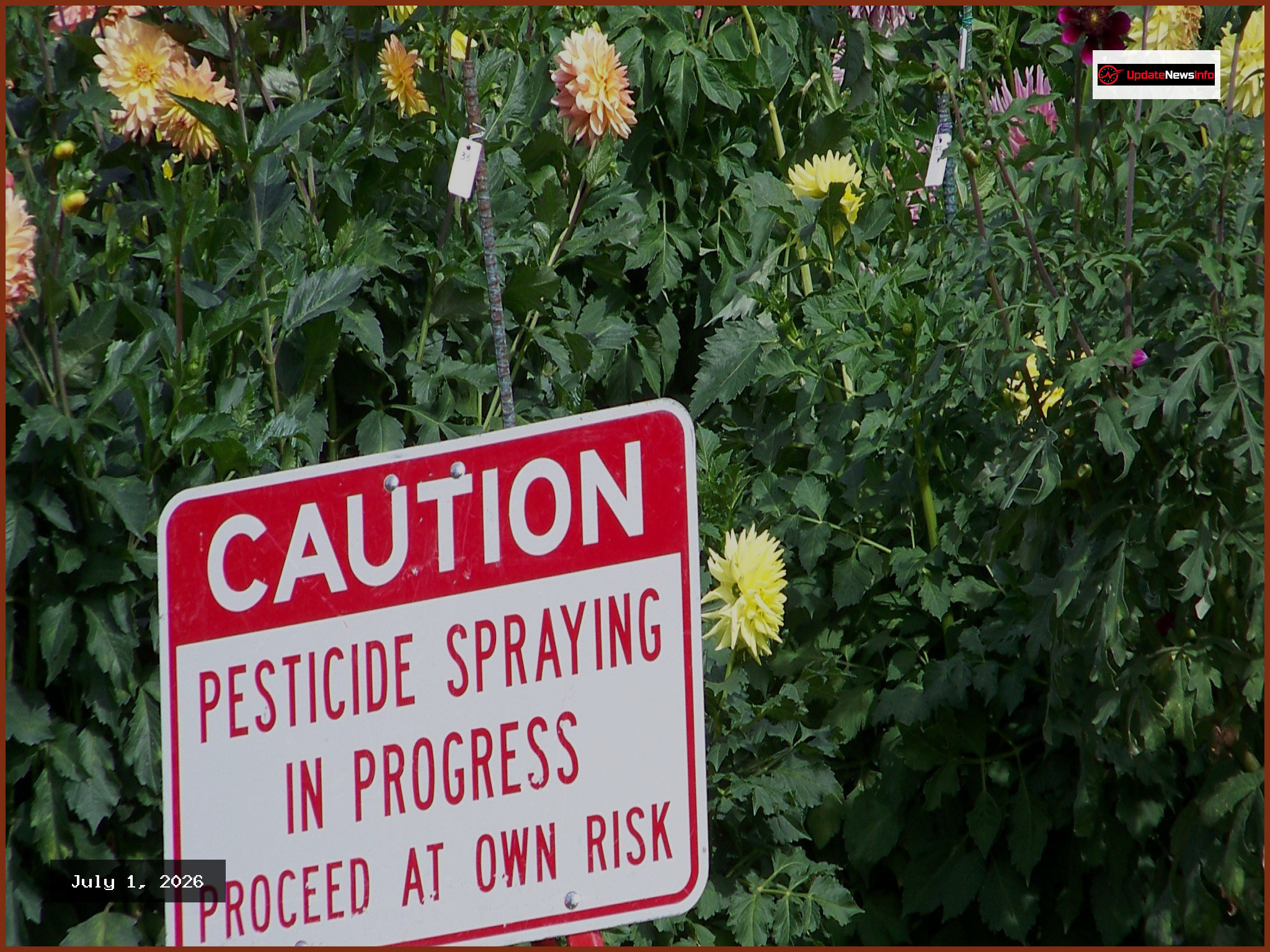
A collective of families impacted by serious health complications linked to pesticide exposure has petitioned European lawmakers to resist a move toward weakened safety regulations within the bloc. This appeal comes as the EU considers a shift toward more lenient oversight of agricultural chemicals.
During a hearing on Wednesday, 1 July, organized by the non-governmental organization Friends of the Earth, organic vegetable farmer Florence Jamault highlighted the urgent need for a shift in priorities. Jamault, whose own child suffered due to pesticide exposure, stated, “Alternatives exist…we need a European policy that is coherent…and to put public health at the heart of policy.”
Franck Rinchet-Girollet, who resides on a cereal plain near La Rochelle, France—a region defined by intense agricultural activity—shared that his child was diagnosed with pediatric cancer. He advocated for a systematic, gradual phase-out of synthetic pesticides. Meanwhile, Rendert Algra, a former Dutch Christian Democrat MP and a farmer’s son, testified that he believes his Parkinson’s disease resulted from childhood exposure to chemicals. Algra emphasized the necessity of compensation, asserting, “If the disease comes with the job, you should get paid.”
Friends of the Earth has cautioned that the proposed reforms could shift the burden of proof from chemical producers to public authorities. The NGO characterized these potential changes as the most significant challenge to existing EU pesticide safety standards to date. Currently, only a few EU member states provide compensation funds for pesticide victims. Due to the high burden of proof required, very few legal cases reach a resolution, despite an estimated 300 individuals across the EU having been recognized as suffering from illnesses attributed to their agricultural work.
Despite these appeals, Italian conservative MEPs Herbert Dorfmann and Michele Picaro are currently spearheading the European Parliament’s stance on the Food and Feed Safety Omnibus. The proposal, initially brought forward by the European Commission, appears aimed at reducing the regulatory requirements currently placed on the chemical industry.