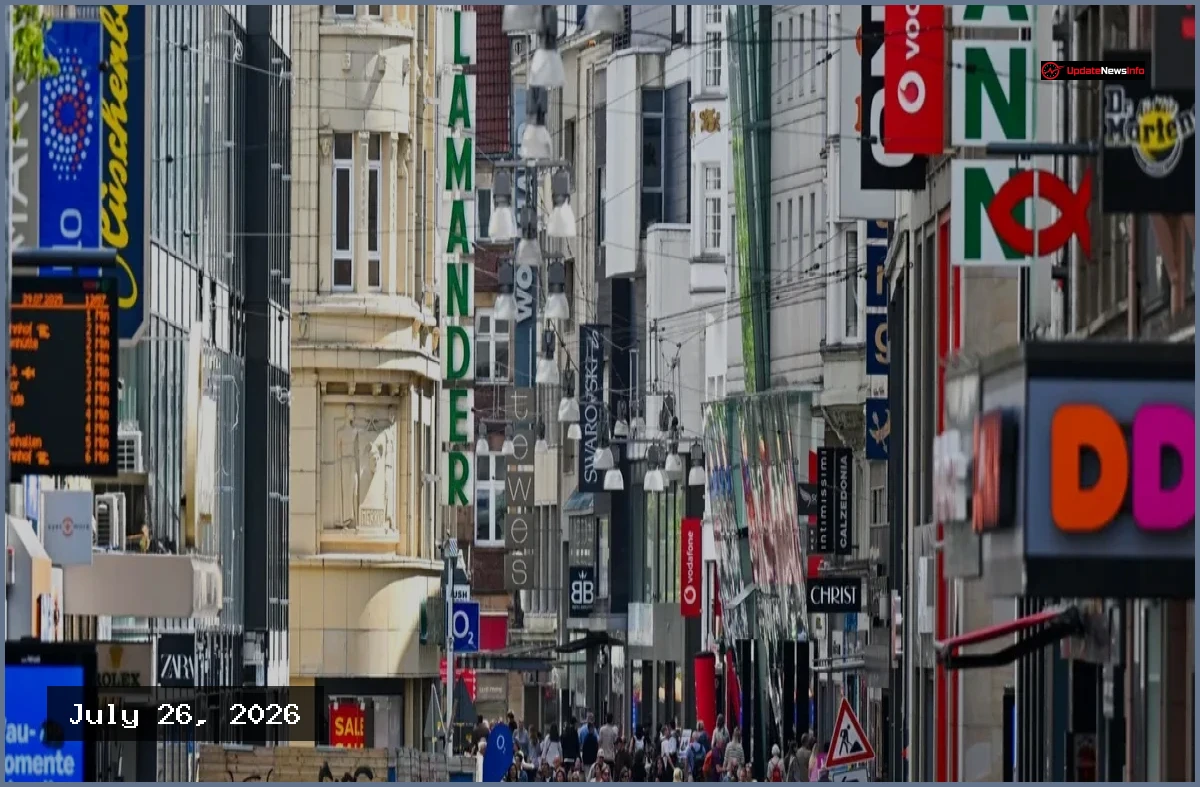
Beginning January 1st, 2027, Germany will introduce a reform package allowing bakeries, pastry shops, and public libraries to extend their operating hours on Sundays. This legislative shift, spearheaded by the coalition government comprised of the centre-right CDU/CSU conservative bloc and the centre-left Social Democrats (SPD), aims to bring more activity to some streets on the traditional day of rest.
However, the move has drawn criticism from members of the business sector who argue that the reforms are insufficient. Many industry leaders are now advocating for a broader relaxation of the Shop Closing Laws (Ladenschlussgesetz), which have effectively prohibited retail outlets from opening on Sundays and public holidays since their inception in 1956. Currently, exceptions to this rule are limited to specific locations, such as major train stations and airports.
The debate touches upon the cultural concept of 'Ruhezeit,' or quiet time, which remains deeply ingrained in German society. This principle is often codified in local regulations and even integrated into residential rental contracts. Reader feedback reflects a sharp divide in public opinion regarding whether these restrictions remain relevant in a modern, globalized economy.
Some readers, such as one named Adi, criticized the continued insistence on Sunday closures as outdated, suggesting they do not align with the needs of younger generations struggling in a difficult economic climate. Similarly, a reader named Christian argued that Germany is out of step with the rest of the western world, suggesting that the country could learn from neighbors who allow Sunday trading without experiencing societal collapse, provided that staff protections—such as the right to opt out—are maintained.
Other perspectives, however, emphasize the value of the traditional Sunday atmosphere. A reader identified as Claire noted that while she appreciates the calm streets, she also recognizes the struggle for physical stores to remain viable in a post-pandemic European market. She advocated for a more targeted approach to relaxing the rules that would balance economic necessity with the preservation of workers' rights. Meanwhile, other voices, including a reader named Paul, maintain that the current total ban on Sunday shopping is simply ridiculous and that all shops should be permitted to open.
He suggested that Sunday closures do not fit with modern society: "Stay at home if you want, let the people who want to get on with our lives do so. Concepts like 'social cohesion' mean little to millennials and Gen-Zs trying to make ends meet in an otherwise stuttering economy."
On a post on The Local Germany's Facebook page, many people agreed.