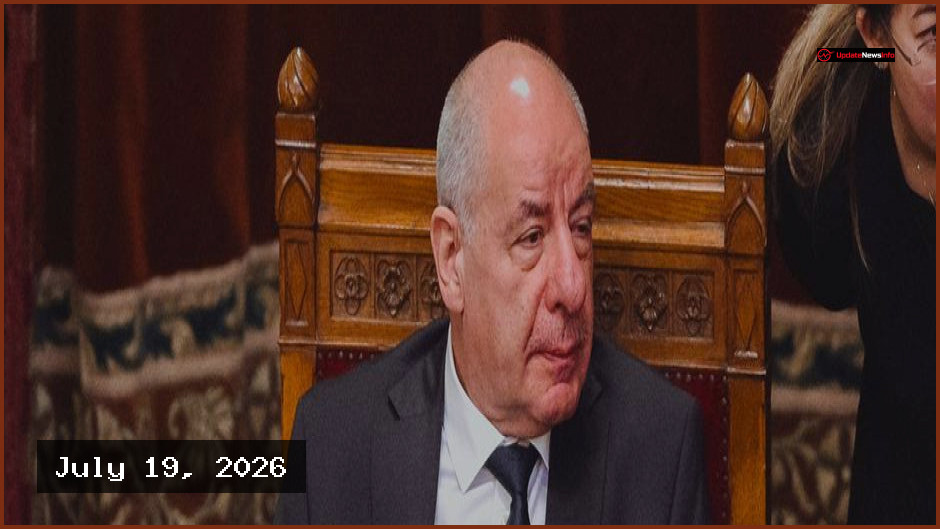
Hungarian President Tamas Sulyok, a long-standing ally of former Prime Minister Viktor Orban, officially signed a constitutional amendment on Saturday that will bring his tenure as head of state to an immediate conclusion. The signing was confirmed by Prime Minister Peter Magyar, whose center-right Tisza party secured a landslide victory in the April elections. The party campaigned on a platform of bringing a fundamental "regime change" to the nation after 16 years of governance by Orban and his Fidesz party.
Regarding his decision, Sulyok stated, "I am fulfilling my obligation under the Fundamental Law after carefully weighing my legal options and my conscience." Despite his compliance, Sulyok was highly critical of the legislation. He argued that the law sets a "negative precedent that inflicts a deep wound on the constitutional values of democracy, the separation of powers and the rule of law." These specific areas were the focus of intense criticism and sanctions from Brussels during the years that Orban and Fidesz held power.
Prior to this development, Sulyok had staunchly resisted repeated calls from Magyar and his pro-EU party to step down. The ruling party had accused the president of impeding national progress and argued that he no longer held the confidence of the electorate. The amendment, which was passed by the legislature on Monday, is part of a broader, concerted effort by the new government to dismantle the remaining influence of the previous far-right political machine.
The president’s term is scheduled to end officially at midnight on Sunday. Following his departure, Agnes Forsthoffer, who currently serves as the speaker of Hungary's parliament, will assume the role of acting head of state. She will hold this position until the parliament elects a successor to serve a maximum five-year term. The election for the new president is mandated to take place within the next 30 days.
The constitutional amendment carries significant implications beyond the presidency. It establishes a 12-year term limit for all lawmakers and introduces a mandatory retirement age of 70 for justices serving on Hungary's Constitutional Court. This specific change will force the departure of Peter Polt, a known ally of Orban, from his role as president of the court.
The political reaction to the move has been polarized. Prime Minister Peter Magyar welcomed the news, stating that the "final obstacle to our joint decisions taking effect has been removed." He added that the government is restoring the certainty that power can be limited, public assets can be recovered, and the state can once again serve its citizens. In contrast, former Prime Minister Viktor Orban condemned the action, asserting that "tyranny is no longer a threat… but a reality." Meanwhile, international observers offered mixed perspectives; for instance, Human Rights Watch criticized the new law, describing it as "reminiscent of the Fidesz era," despite the widespread recognition that corruption was endemic during Orban's tenure.
To view this video please enable JavaScript, and consider upgrading to a web browser that supports HTML5 video
Don't let the algorithm hide the news. If you rely on our team for trusted reporting, please take a moment to select us as your Preferred Source on Google, so you'll always see our verified news first.