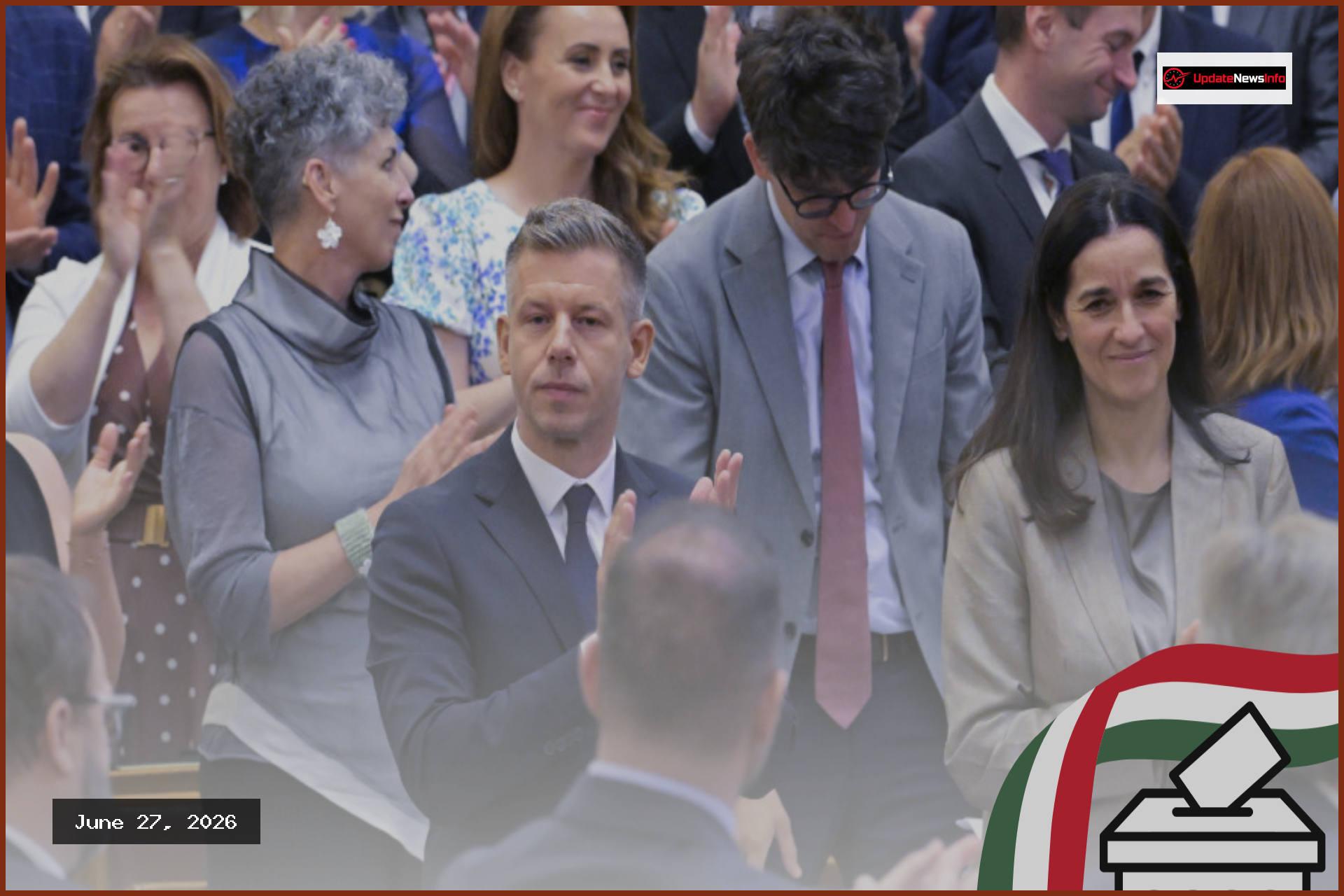
A centerpiece of the sweeping constitutional reform package introduced by Hungary’s Tisza government, titled “Purgatory,” includes a controversial proposal to limit parliamentary mandates to 12 years. Under these new regulations, any individual who has served a cumulative total of at least 12 years as a member of parliament would be barred from seeking further legislative office. While there have been ongoing discussions regarding the implementation of term limits for mayors, that specific measure has not been included in the current draft of the proposal.
The name “Purgatory” serves as a nod to a high-profile police operation in Slovakia targeting former senior officials and oligarchs connected to current and past governments of Robert Fico, who are accused of forming criminal organizations. Hungarian Prime Minister Péter Magyar has repurposed the term for a broad legislative overhaul intended to dismantle the political structure established by former leader Viktor Orbán. The package features a significant constitutional amendment that seeks to redefine the authorities of the president, the Supreme Court, the Constitutional Court, and the National Office for the Judiciary. Furthermore, the plan intends to reduce the number of cardinal laws requiring a two-thirds parliamentary majority for amendment, while creating a new Office for the Recovery and Protection of National Assets and enhancing safeguards for public financial management.
The government has invited the public to participate in a consultation process, with comments on the constitutional amendment accepted until 27 June, and feedback regarding the new oversight office due by 30 June. Although the current amendment is framed as an emergency step, the Tisza government intends to initiate a comprehensive constitutional process later, which would ultimately lead to a national referendum. No official timeline for this broader process has been established yet.
Among the major election promises made by Tisza was an eight-year term limit for the prime minister. Although such restrictions are rare in parliamentary democracies, the proposal faced minimal public pushback. While Fidesz characterized the move as a direct attack on Orbán, the rhetoric appeared ineffective, as voters had been consistently reminded of the pledge throughout the campaign. However, the proposal for a 12-year limit for rank-and-file MPs has proven to be far more contentious.
This measure would largely impact Fidesz, the Christian Democratic People’s Party (KDNP), and the far-right Mi Hazánk movement, as none of the current Tisza MPs have prior parliamentary experience, keeping them eligible for the 2030 and 2034 elections. Analysis by the weekly publication HVG suggests that 22 of Fidesz’s 52 current MPs would be disqualified, including prominent figures such as group leader Gergely Gulyás, and former ministers Péter Szijjártó, János Lázár, Bence Tuzson, and Máté Kocsis. Consequently, the amendment would force a major generational shift within Fidesz.
Political analyst Zoltán Lakner noted that while term limits for a head of government are easier to justify in Hungary’s current political climate, placing similar caps on parliamentarians could introduce risks. He suggested that such limits might eventually attract individuals with different motivations, potentially opening the system to those who would exploit institutional access for purposes other than strengthening democracy. Lakner warned that the danger could intensify if the 12-year cap were to be shortened in the future, a possibility that Magyar has not excluded.