Iranian officials announced on Monday evening that a specialized group of experts is set to travel to Doha later this week. The objective of this mission is to address the implementation of the Memorandum of Understanding signed with the United States earlier this month. However, Tehran firmly insisted that this visit does not constitute formal negotiations with Washington. A foreign ministry spokesperson stated that the parties have not yet reached the stage of negotiating a final agreement and underscored that no negotiation meetings with the US side are scheduled at any level for the coming days.
The announcement followed widespread speculation and conflicting reports regarding whether bilateral talks were set to resume. Several US media outlets had reported that both nations planned to restart discussions in Qatar on Tuesday, following a prior agreement to halt hostilities after a series of military strikes strained the diplomatic framework. Iran’s deputy foreign minister, Kazem Gharibabadi, rejected these claims, asserting that media reports concerning technical talks in Doha were not confirmed.
This contradiction prompted US President Donald Trump to respond via his social media platform, Truth Social, where he insisted that Iran had requested a meeting and that the session would take place in Doha on Tuesday. Subsequently, White House spokeswoman Karoline Leavitt confirmed that US envoy Steve Witkoff and senior adviser Jared Kushner would travel to Doha this week for high-level meetings.
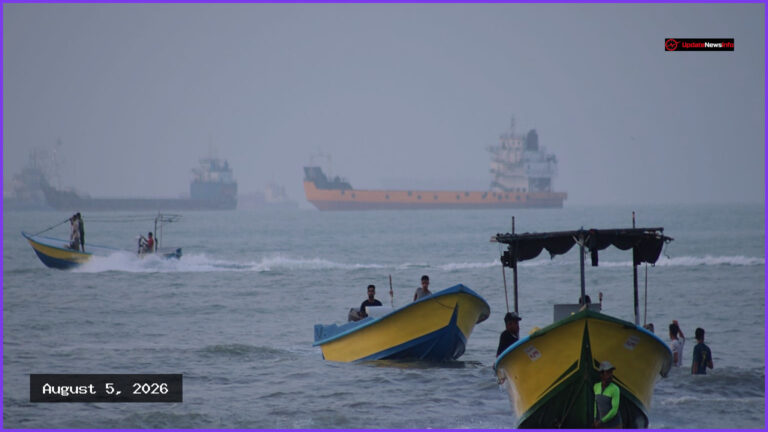
These developments highlight the fragile state of the framework signed on 17 June, which provided both countries with 60 days to negotiate a final deal concerning Iran’s nuclear program, sanctions relief, and the long-term status of the Strait of Hormuz. The agreement faced severe strain after an Iranian drone struck the Panama-flagged crude tanker M/T Kiku near the strait, which resulted in US Central Command hitting 10 Iranian military targets. Iran retaliated with strikes on US bases in Kuwait and Bahrain. Both parties have since agreed to de-escalate, and a US official indicated that vessels are now able to move freely through the waterway.
The issue of de-mining has introduced further complexity into the situation. After France and Oman unveiled plans for joint operations following a meeting between French President Emmanuel Macron and Sultan Haitham bin Tariq of Oman, Gharibabadi pushed back. He insisted that under the current agreement, only Iran is authorized to perform these tasks, warning France against further provocations in the sensitive and complex region. Meanwhile, maritime data remains volatile; the firm Kpler reported that only 29 vessels crossed the strait on Saturday, with that number falling to 12 by Sunday. Furthermore, no ships were observed using the southern Omani corridor, and AXSMarine noted that 44 vessels had ceased publicly transmitting their position data.