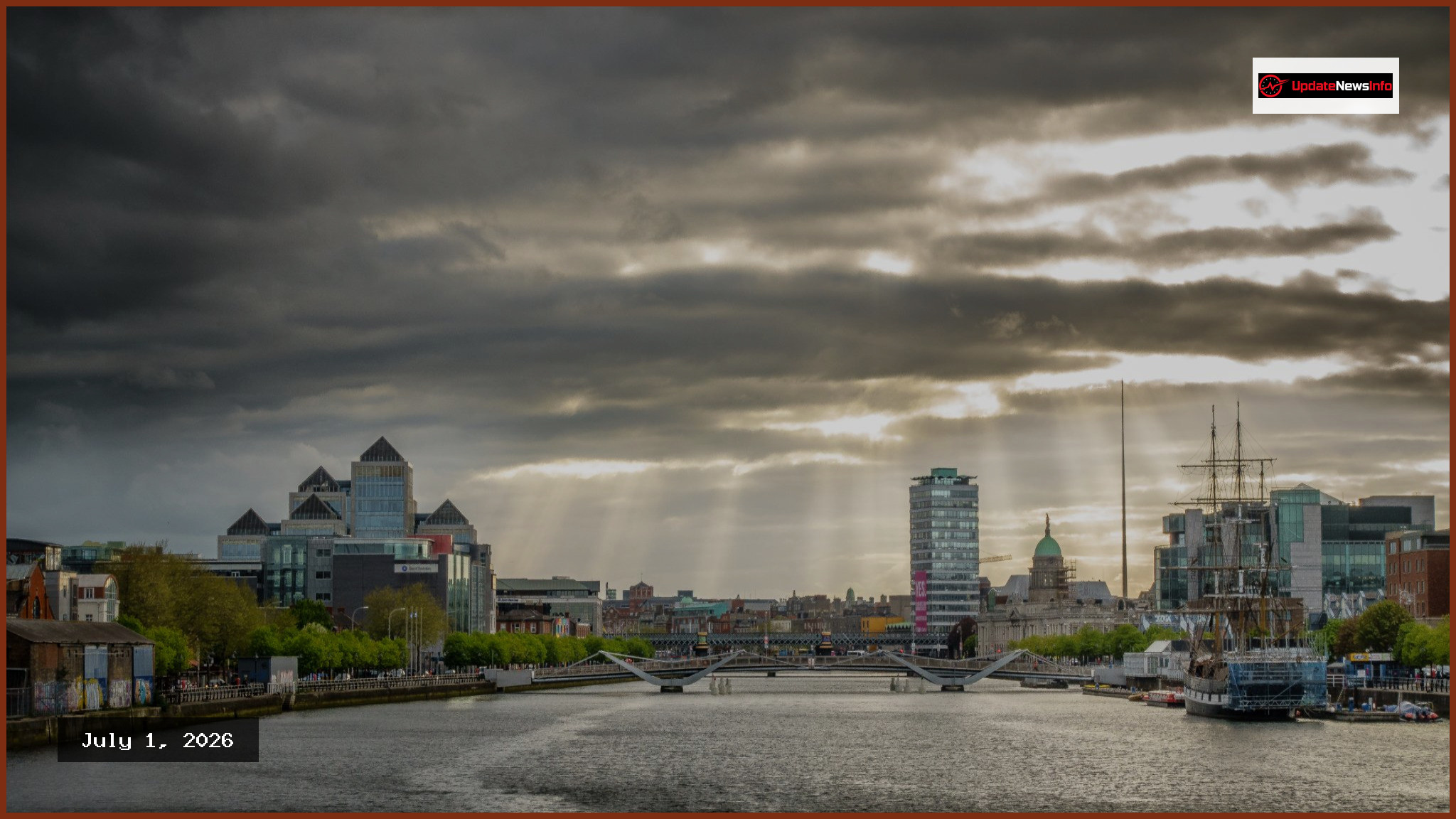
Ireland has commenced its eighth stint holding the symbolic six-month EU Council presidency, a position it has occupied intermittently since joining the bloc 53 years ago. The transition occurs against a backdrop of domestic pressure, with unions scheduled to rally in Dublin on 1 July to advocate for better working conditions for essential employees. To support this tenure, the Irish government has earmarked approximately €293m, a move toward fiscal transparency that other nations may look to replicate in the future. Notably, this term marks the first instance where the Irish language functions as an fully-integrated, operational working language within the Brussels machinery, a milestone achieved in 2022. The nation has adopted the motto “Ní neart go cur le chéile,” a traditional proverb meaning “strength with unity.”
To foster this unity, the presidency is set to host 264 high-level meetings for EU leaders and ministers, including an informal leaders’ summit in November and a European Political Community summit. Additionally, an international AI summit is slated for October. The administration faces the complex task of harmonizing the interests of 27 individual capitals, which hold divergent views on migration, energy security, defense, trade, and the trajectory of the EU. A primary objective, defined as the “overarching priority,” is to reach an agreement on the long-term EU budget for 2028-2034 by the end of this year. Ireland intends to present more realistic figures in October to facilitate discussions at the November special summit, aiming for a final resolution by December. While some analysts were initially skeptical, current feedback from diplomats suggests a 50-50 chance of success, and Irish officials remain confident.
The presidency also seeks to resolve a long-standing deadlock regarding capital markets negotiations, with an aim to reach an agreement by the end of 2026. Taoiseach Micheál Martin emphasized in June that despite prior skepticism, there is a genuine capacity for consensus, even as the continent grapples with the need to close economic gaps compared to the US and China. Simultaneously, Ireland’s policy of neutrality remains a point of scrutiny, particularly as the continent shifts toward rearmament while Dublin maintains military spending at roughly 0.2 percent of GDP. Foreign affairs present further diplomatic trials, as Ireland acts as a mediator while simultaneously leading calls for the suspension of Israeli trade perks due to the Gaza humanitarian crisis. Advocacy groups like Amnesty International have urged Dublin to champion human rights and hold Israel accountable.
In mid-July, EU foreign ministers are expected to debate options for restricting trade with illegal settlements, including export licensing, tariffs, or a full ban. This is significant given that in 2025, Ireland became the first EU nation to ban imports from West Bank and East Jerusalem settlements. However, the situation is complicated by the fact that nearly 70 percent of Ireland’s trade with Israel involves services, often managed by US tech giants that have established their European headquarters in the country. This creates a challenging path for Dublin, which must balance its public moral stance and international human rights advocacy with its status as a hub for major multinationals, including Apple, Google, Meta, and Pfizer, on which the local economy relies.