Italy’s Foreign Minister, Antonio Tajani, has formally called for the closure of the Schengen area to Spain following a significant influx of migrants into the Spanish North African enclave of Ceuta on Thursday. In a statement posted on social media, Tajani argued that the current situation of irregular and uncontrolled immigration constitutes a direct threat to national security. He further criticized the Spanish government's previous policy of granting legal status to undocumented migrants, suggesting that such decisions are profoundly misguided and serve to encourage human trafficking.
The proposal received backing from Italian Prime Minister Giorgia Meloni, who stated that Rome is prepared to implement extraordinary measures to defend its borders, including the potential suspension of the Schengen agreement with Spain. In response to these remarks, Spain’s foreign minister confirmed that the Italian ambassador had been summoned to discuss what Madrid described as inappropriate comments.
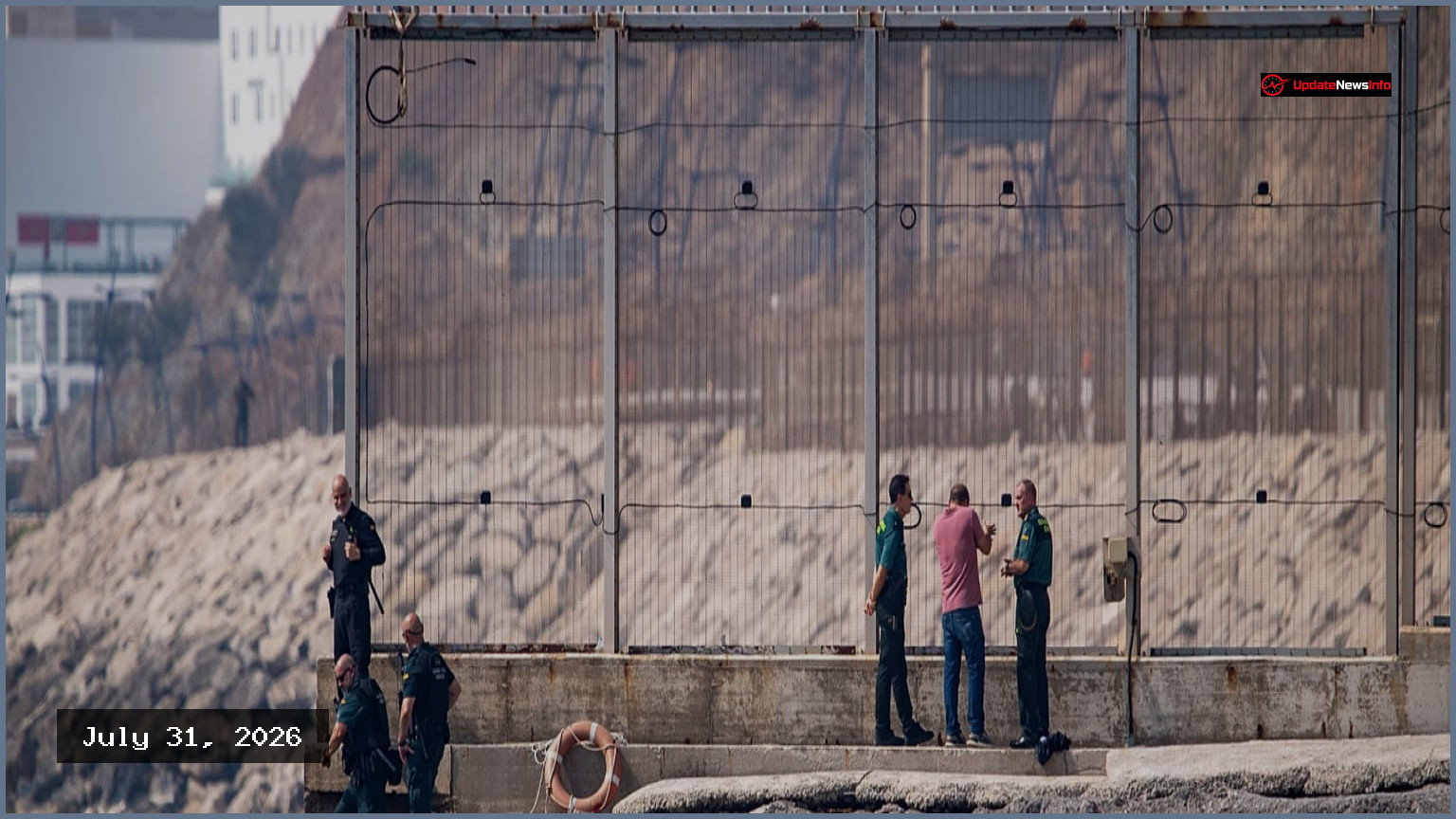
The crisis in Ceuta unfolded as hundreds of individuals reached the territory by swimming or utilizing inflatable devices to arrive at Tarajal beach, effectively overwhelming local Civil Guard officers. Reports indicate that at least nine people died while attempting the crossing. This incident follows a broader trend, with over 60 deaths recorded during similar attempts over the past 12 months. Local authorities in the autonomous city had previously urged the central government to declare a national emergency, warning that they were overwhelmed by the surge.
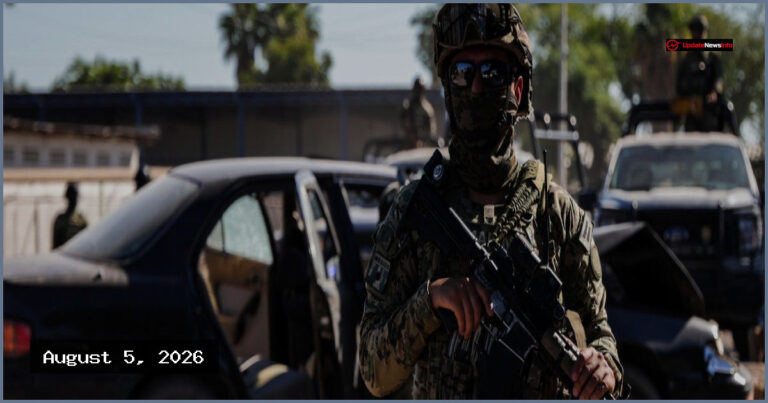
Although the Spanish Interior Ministry initially declined to declare a state of emergency, it subsequently announced the deployment of military troops to reinforce security and restore order. Prime Minister Pedro Sánchez is scheduled to visit Ceuta on Friday amid mounting political pressure from opposition factions. Spain’s Interior Minister, Fernando Grande-Marlaska, is also expected to travel to the enclave to assess the situation alongside local officials. Both Spain and Morocco have agreed to establish a procedure to accelerate the return of those who crossed, though no specific timeline or figures were provided.
The Spanish Ministry suggested that human trafficking networks might be exploiting a recent court ruling to encourage illegal crossings. While Rabat has also blamed traffickers for the surge, Moroccan diplomatic sources emphasized that the increase in crossings did not reflect an intention by authorities to facilitate or promote illegal migration. Conversely, sources within the Spanish Civil Guard in Ceuta have expressed skepticism regarding the level of cooperation from the Moroccan Gendarmerie, describing it as limited and insufficient to alleviate border pressure.
At the European level, the Commissioner for Migration, Magnus Brunner, noted he is in continuous contact with Spanish authorities, emphasizing that securing external borders remains vital. The European Commission has offered to provide operational assistance through the Frontex agency.
"The images coming out of Ceuta show that the Madrid government’s decision to grant Spanish – and therefore European – citizenship to over 500,000 irregular migrants is profoundly misguided and encourages human trafficking," he added, apparently referring to the Spanish government's previous move to give legal status t