Wildlife officials in Kenya are currently working to determine the cause of death for 15 elephants discovered over the last month in the vicinity of Amboseli National Park. The fatalities occurred within the Kimana sanctuary and Kuku ranch areas, which surround the park. According to the Kenya Wildlife Service (KWS), the majority of the deceased animals were female elephants and their calves, with only one male among the group.
The wildlife authority reported that 10 of the elephants displayed signs of partial paralysis before dying within a two-day period. Due to the state of decomposition or scavenging, it was not possible to establish a cause of death for the remaining five carcasses. In response to the situation, the KWS stated that preliminary tests conducted by a laboratory at the University of Nairobi identified a “potential toxic substance.” However, separate analyses performed by a government laboratory returned negative results for the toxins tested, prompting further investigation.
Environmental assessments are ongoing to determine if the animals were exposed to a common source of contamination. The KWS noted that this includes the systematic analysis of water sources and other environmental factors within the affected regions to establish whether the elephants were exposed to a common source. While Kenya has previously documented cases of elephant poisoning linked to poaching or human-wildlife conflict, authorities have sought to reassure the public, stating there is no evidence that the condition affecting the elephants can be transmitted to humans.
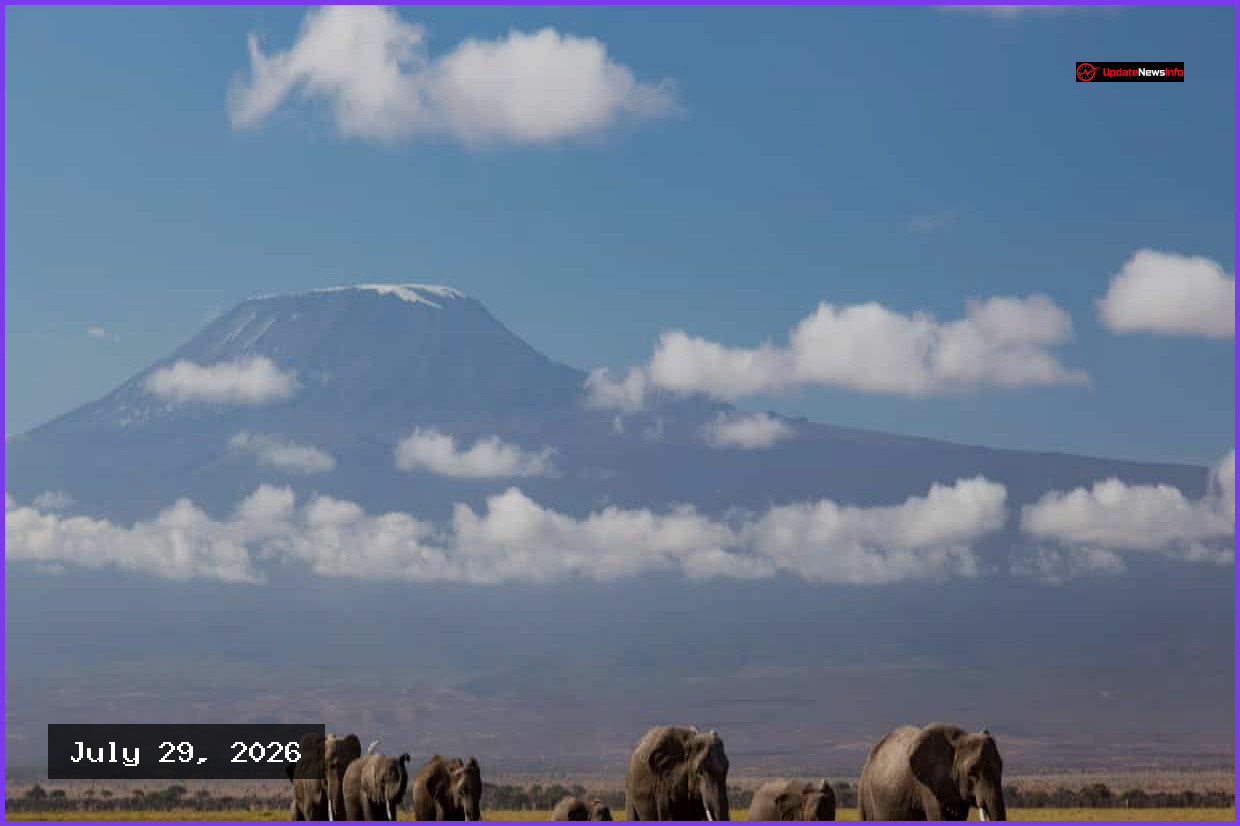
Amboseli is globally renowned for its savannah landscapes and significant elephant population, which is estimated at approximately 2,000 individuals. The park is also known for its proximity to Mount Kilimanjaro, which is visible across the border in Tanzania.