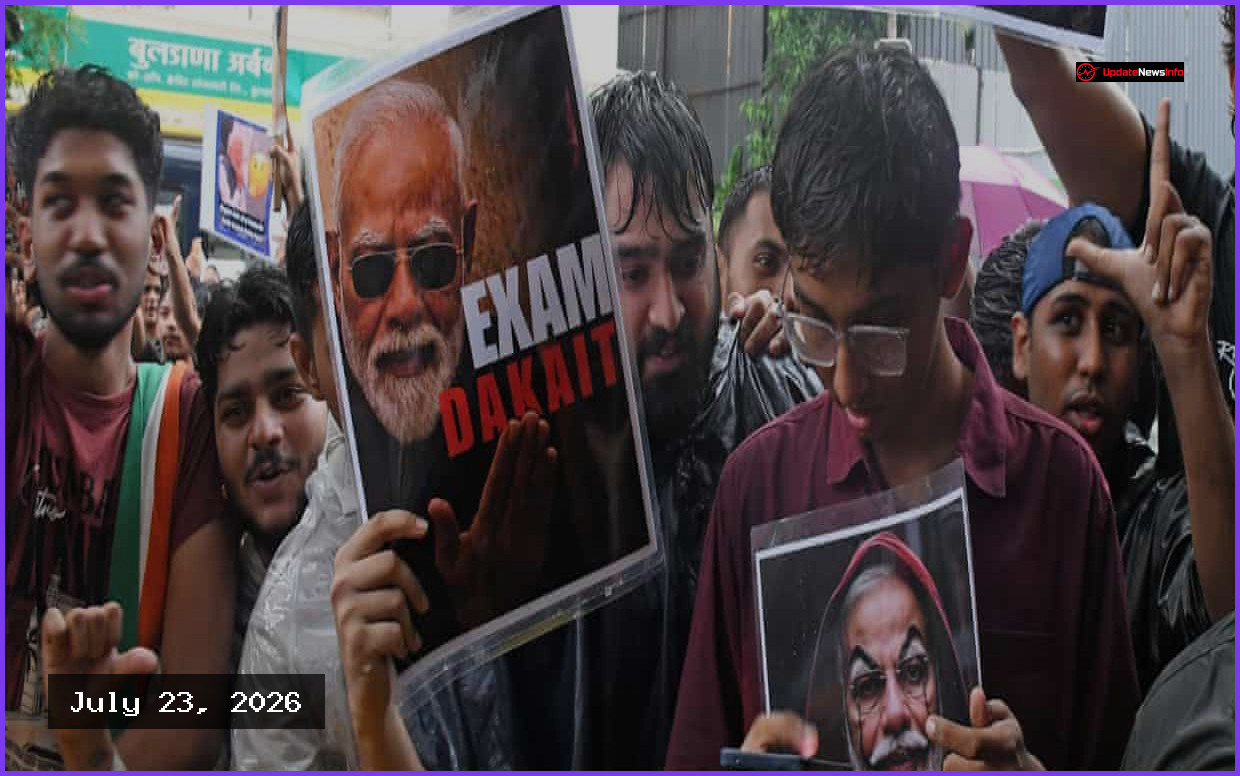
Indian Prime Minister Narendra Modi has committed to establishing “fast track courts” to accelerate the prosecution of corrupt officials responsible for leaking examination papers. This move marks the Prime Minister's first public response to the youth-led “cockroach” protest movement that has recently challenged his government’s administration.
In a statement issued on X, Modi emphasized the priority of the younger generation, declaring, “Nothing is more important than the welfare and future of our youth … Those who try to harm the future of our youth will not be spared.”
Despite the government’s pledge, the protest movement continues to demand the resignation of Education Minister Dharmendra Pradhan, alongside systemic reforms to the nation's education structure. While government ministers have expressed a willingness to engage in dialogue with the CJP, they have consistently refused to discuss the potential resignation of Pradhan.
The scale of the unrest remains significant. On Monday, an estimated 50,000 protesters gathered in Delhi. The demonstration occurred despite police denying formal permission to march on parliament, leading to baton charges and the use of teargas against the crowds. By Wednesday, more than 1,000 demonstrators remained at the Jantar Mantar protest site in central Delhi, enduring high temperatures and humidity. The site has become a hub for supporters, with protesters organizing food and water donations for attendees and even police officers on duty.
Opposition leader Rahul Gandhi escalated the political pressure during a press conference on Wednesday. He called for Pradhan’s resignation and demanded that Modi apologize for the government's failure to maintain a fair education system. Gandhi alleged that the country has experienced 152 exam paper leaks over the past decade, yet not a single conviction has been secured. “Somebody, or a group of people, are destroying our education system, India’s most valuable asset, destroying the lives of our students. What does the government do? Zero convictions,” Gandhi stated.
The protest movement appears to be hardening its resolve following the police crackdown on Monday. CJP leaders expressed deep disappointment after a meeting with Health Minister J. P. Nadda—the first such engagement in over 60 days—yielded no tangible results. Founder Abhijeet Dipke stated that the movement will not initiate further meetings at government offices. If ministers wish to negotiate, they must visit the protest site and engage in public, according to the organizers. Meanwhile, demonstrations in solidarity with the CJP’s demands have spread to young men and women in various other cities across India.