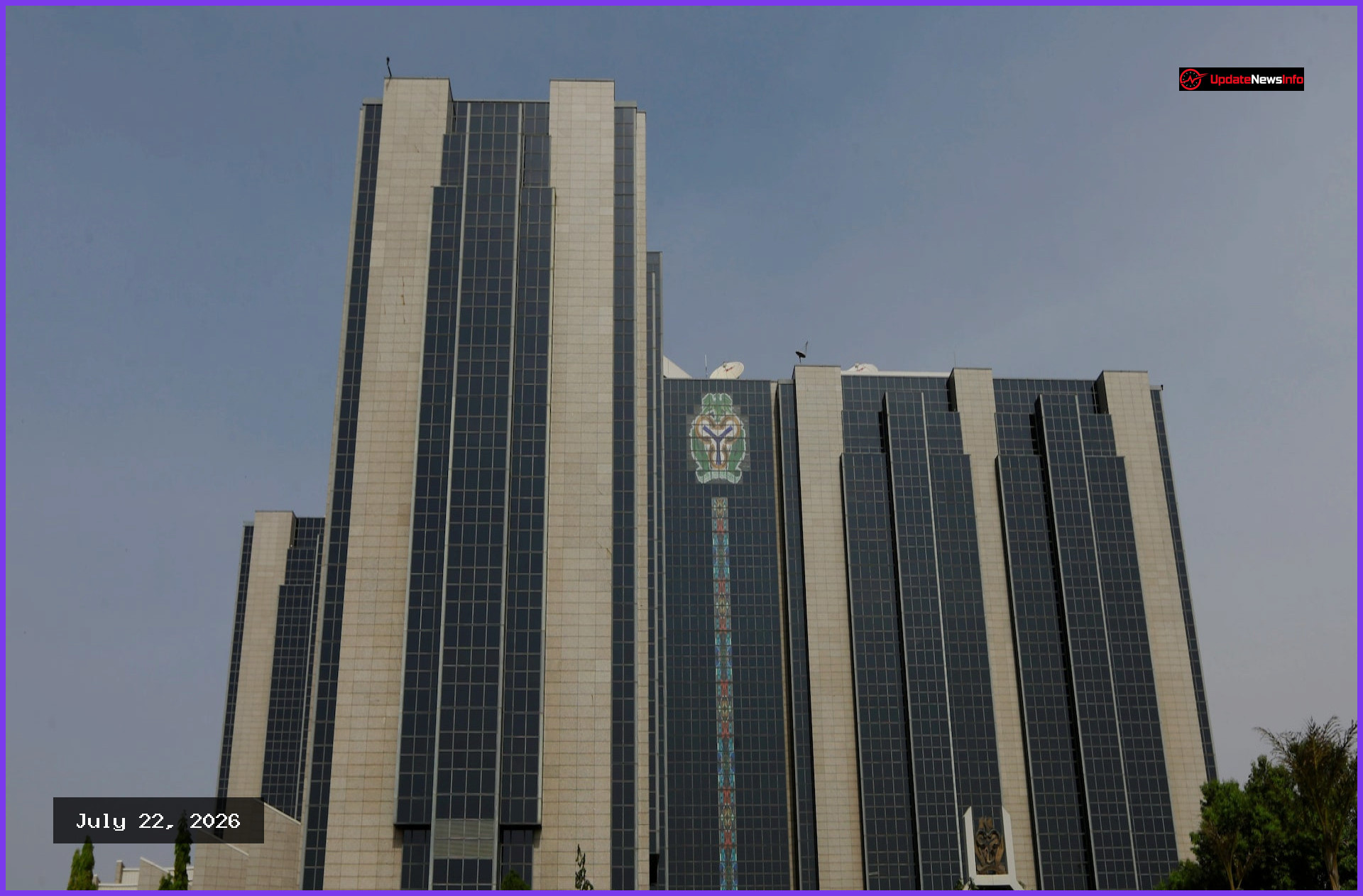
Governor Olayemi Cardoso addressed the decision during a press conference, noting that while headline inflation saw a marginal decline to 15.91% year-on-year in June 2026, the outlook remains complicated. Cardoso cited the resumption of conflict in the Middle East in early July as a primary factor, warning that these renewed hostilities have heightened global uncertainties and could push oil prices and domestic price pressures higher.
Market reaction to the decision has been focused on the implications for liquidity. Robert Omotunde, director and chief investment officer at MDU Capital Limited, stated that the policy stance would help maintain tight liquidity conditions and support relatively high fixed-income yields. According to Omotunde, this environment is expected to bolster investor appetite for government securities and preserve attractive real returns on fixed-income instruments as inflation trends downward. He added that the policy reinforces the appeal of naira-denominated assets for both domestic and offshore investors.
Looking ahead, some analysts remain optimistic about the trajectory of inflation. Capital Economics analyst David Omojomolo suggested in a research note that inflation is likely approaching its peak. He indicated that this trend should provide the central bank with the necessary confidence to begin cutting interest rates as early as September.