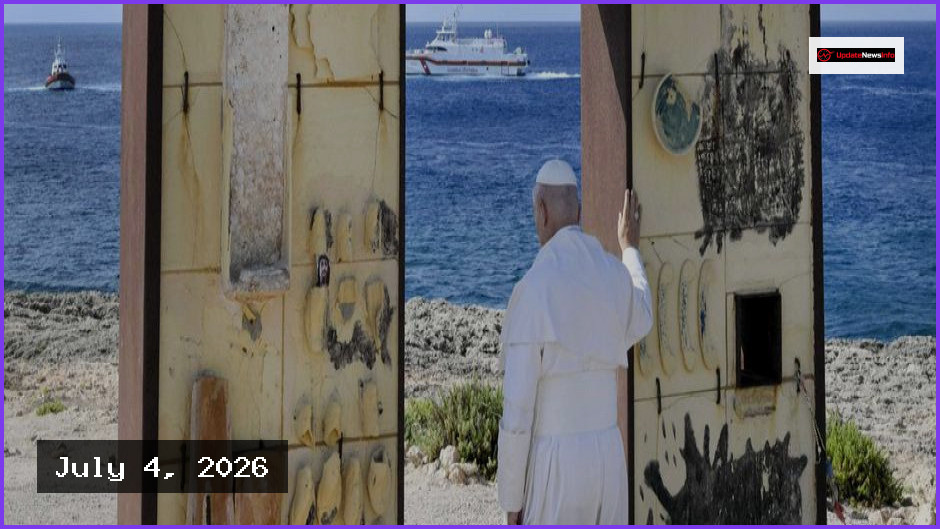
Pope Leo has issued a direct appeal to European leaders to strengthen their commitment to the protection and integration of migrants. The pontiff delivered his message during a visit to the Italian island of Lampedusa, a primary arrival point for individuals undertaking perilous Mediterranean crossings from Africa. As intolerance and indifference continue to grow, the Pope emphasized that Europe possesses the capacity to manage the crisis through a comprehensive, long-term strategic plan that prioritizes receiving, supporting, and integrating those in need.
During his day trip, the head of the Catholic Church offered prayers at a local migrant cemetery, engaged with migrants at the port, and held mass on the island. He highlighted that such efforts should be paired with assistance to developing nations to address the root causes that force people to emigrate. Reflecting on the island’s role as a frontline, Leo remarked that the Mediterranean region provides a clear view of the significant challenges migration poses to modern European society. He also expressed gratitude to the island’s 6,000 residents, specifically the fishing and tourism communities, for their demonstrated solidarity.
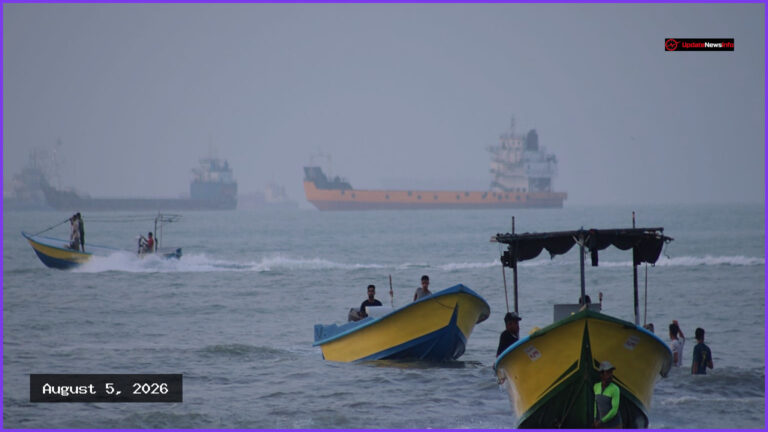
According to the UN refugee agency, over 14,000 people arrived in Italy during the first half of the year, with nearly 60% of those individuals landing in Lampedusa after departing from Libya. The pontiff’s visit served as a call for a more unified and compassionate response to these arrivals.
Separately, the pontiff marked the 250th anniversary of US independence with an appeal to Americans to welcome and protect immigrants. In a letter sent to the US, he stated that the Catholic value of defending life encompasses the duty to assist those moving to the country. He noted that receiving immigrants with compassion is an act of charity and a recognition of human dignity. This followed a recent video address to the National Constitution Center in Philadelphia, where he characterized the United States as a global byword for freedom, largely due to the nation’s history of being built by successive waves of immigrants.